Kitchen Sink Repair in Gilbert, AZ
The kitchen sink is one of the most frequently used plumbing fixtures in a home. It is used for washing dishes, preparing food, cleaning cookware, filling containers, and many other everyday activities. Because of this constant use, kitchen sink plumbing can eventually develop leaks, clogs, slow drainage, faucet problems, damaged connections, or garbage disposal issues.
When a kitchen sink stops working properly, professional kitchen sink repair in Gilbert, AZ can help identify the underlying cause and restore normal operation.
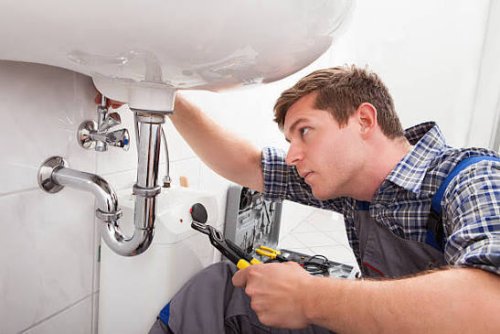
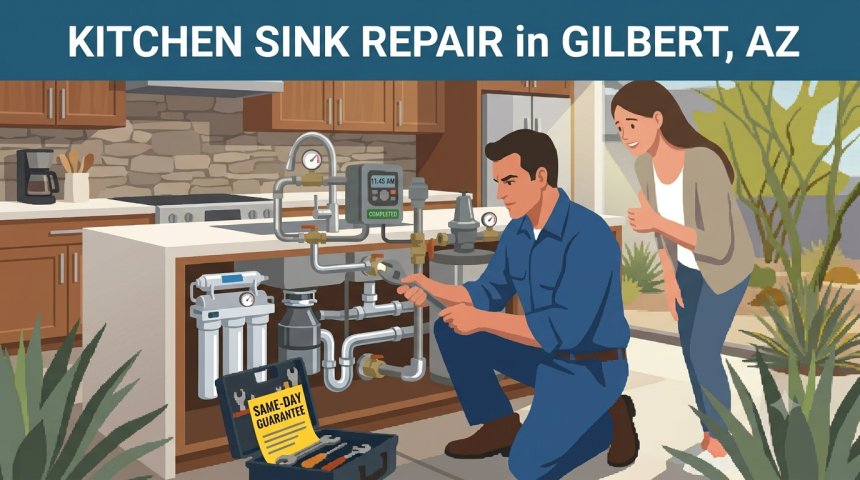
Kitchen sink problems are not always limited to the visible fixture. A sink is connected to supply lines, shutoff valves, drainpipes, a trap, faucet components, and sometimes a garbage disposal or dishwasher connection. A problem in any of these components can affect the sink.
Common Kitchen Sink Problems
Kitchen sink plumbing problems can appear in different ways. Some are easy to notice, while others develop gradually.
Common issues include:
- Slow drainage
- Completely clogged sink
- Leaking faucet
- Leaking drain
- Water under the sink
- Damaged supply line
- Broken shutoff valve
- Garbage disposal problems
- Bad odors
- Low water pressure
- Loose plumbing connections
- Corroded pipes
- Dishwasher drain connection problems
Identifying the actual source is important because repairing the visible symptom without addressing the cause may result in the problem returning.
Kitchen Sink Drain Repair
A slow kitchen sink is often an early warning sign of a developing drain blockage.
Common causes include:
- Grease buildup
- Food particles
- Soap residue
- Organic debris
- Foreign objects
- Accumulated sediment
- Problems farther down the drain line
If water drains slowly, homeowners may be tempted to use chemical drain cleaners repeatedly. However, recurring clogs may require professional inspection instead of repeated chemical treatment.
A plumber can assess the drain and determine the appropriate cleaning method.
Clogged Kitchen Sink Repair
A completely clogged kitchen sink can make the fixture unusable. If the sink contains standing water, the blockage may be located within the trap or farther down the drain line.
Professional drain cleaning may involve:
- Drain inspection
- Mechanical cleaning
- Drain snaking
- Hydro jetting when appropriate
- Camera inspection for recurring problems
The method depends on the location and nature of the blockage.
Kitchen Sink Leak Repair
Water under a kitchen sink should not be ignored.
Possible leak sources include:
- Faucet supply connections
- Drain connections
- P-trap
- Shutoff valves
- Flexible supply lines
- Garbage disposal connections
- Dishwasher connections
- Cracked pipes
A leak may appear at one location while originating from another. For this reason, the entire accessible plumbing area should be inspected.
Faucet Repair for Kitchen Sinks
Kitchen faucets receive frequent use and can develop worn components over time.
Common faucet problems include:
- Dripping
- Leaking around the base
- Loose handles
- Low water flow
- Difficult handle movement
- Sprayer problems
- Temperature control issues
Depending on the faucet design and condition, the problem may be repairable through replacement of an internal cartridge, seal, washer, aerator, or another component.
If the faucet is severely damaged or outdated, replacement may be more practical.
Kitchen Faucet Replacement
A kitchen faucet may need replacement when:
- It is severely corroded
- Internal parts are unavailable
- Repairs are frequent
- The body is cracked
- Water continues to leak after repair
- The homeowner wants a different fixture style
Professional installation can help ensure the supply connections and mounting components are installed correctly.
Garbage Disposal Problems
Many kitchen sinks in modern homes are connected to garbage disposals. Disposal problems can affect both the sink and drain system.
Signs of disposal trouble include:
- Humming without grinding
- No response when switched on
- Water leaking underneath
- Unusual grinding sounds
- Frequent jams
- Poor grinding performance
- Repeated resetting
A plumber can determine whether the issue involves the disposal itself, the drain connection, or another component.
Garbage Disposal and Sink Drain Connection
A garbage disposal is connected to the kitchen drain system. If the disposal connection is blocked or improperly installed, water may drain slowly or back up into the sink.
Repeated backups can require inspection of:
- Disposal outlet
- Drainpipe
- Trap
- Branch drain
- Downstream piping
The correct repair depends on where the restriction is located.
Kitchen Sink P-Trap Repair
The P-trap is a curved section of drainpipe located beneath the sink. It helps maintain a water seal that limits sewer gases from entering the living space.
A damaged or leaking P-trap may cause:
- Water under the sink
- Sewer-like odors
- Drainage problems
- Loose connections
If the trap is cracked, corroded, or improperly connected, replacement or repair may be required.
Kitchen Sink Shutoff Valve Repair
The shutoff valves beneath a sink control the water supply to the faucet. Over time, valves may become difficult to turn, leak, or fail to stop the water properly.
A faulty shutoff valve can become especially inconvenient during a faucet repair because the water supply may not be easily isolated.
Professional valve replacement can restore reliable local water shutoff capability.
Kitchen Sink Supply Line Repair
Flexible supply lines connect the faucet to the water supply valves. Damaged or deteriorated supply lines can leak and cause water damage inside the cabinet.
Signs of a supply line issue include:
- Water around the connection
- Damp cabinet flooring
- Corrosion
- Bulging or damaged line material
- Sudden water leakage
Supply lines should be inspected and replaced when their condition indicates a risk of failure.
Kitchen Sink Drain Odors
Unpleasant odors from a kitchen sink may have several causes.
Potential causes include:
- Food residue
- Organic buildup
- Dirty garbage disposal
- Drain blockage
- Trap problems
- Drain ventilation issues
Cleaning the visible sink does not always solve an odor problem if buildup exists farther inside the plumbing.
Kitchen Sink Low Water Pressure
If the faucet has low flow, the problem may be caused by:
- Clogged aerator
- Faucet cartridge issue
- Partially closed valve
- Supply line restriction
- Broader water pressure problem
If only the kitchen faucet has low pressure, the issue may be localized. If several fixtures throughout the home have low pressure, a broader plumbing diagnosis may be appropriate.
Dishwasher Connection Problems
The kitchen sink area often contains the plumbing connection for a dishwasher.
Problems can include:
- Leaking drain connection
- Loose hose
- Improper drain routing
- Clogged connection
- Water backing up toward the sink
Because the dishwasher and sink drainage systems are connected, a blockage can sometimes affect both fixtures.
Kitchen Sink Installation
When a kitchen is remodeled or a sink is replaced, professional installation can help ensure the fixture is properly connected to the plumbing system.
Sink installation may involve:
- Removing the old sink
- Preparing the countertop opening
- Installing the new sink
- Connecting supply lines
- Connecting drainpipes
- Connecting the garbage disposal
- Connecting dishwasher drainage
- Testing for leaks
The exact installation process depends on the sink type and kitchen layout.
Kitchen Sink Replacement
Replacement may be recommended when the sink is:
- Cracked
- Severely corroded
- Structurally damaged
- Difficult to repair
- No longer suitable for the kitchen
- Being replaced during remodeling
A new sink should be compatible with the countertop, cabinet configuration, faucet, drain arrangement, and existing plumbing.
Signs You Need Professional Kitchen Sink Repair
Contacting a plumber may be appropriate if you notice:
- Persistent water leaks
- Repeated clogs
- Water backing up
- Strong drain odors
- Low water flow
- Damaged valves
- Water inside the cabinet
- Garbage disposal failure
- Drainage problems affecting multiple fixtures
- Corroded plumbing
- A sink that repeatedly develops the same problem
Repeated symptoms often indicate an underlying issue that should be properly diagnosed.
DIY Kitchen Sink Repairs: What to Avoid
Some minor maintenance tasks may be manageable for homeowners, but complex plumbing repairs can create additional problems if performed incorrectly.
Avoid:
- Overtightening plumbing connections
- Using excessive chemical drain cleaner
- Cutting pipes without understanding the system
- Ignoring leaks
- Disassembling unfamiliar plumbing components
- Working on electrical components without proper knowledge
- Forcing seized shutoff valves
If water is actively leaking or the plumbing configuration is unclear, professional assistance can reduce the risk of additional damage.
Emergency Kitchen Sink Problems
Some kitchen sink problems require faster attention.
Examples include:
- A major water leak
- Burst supply line
- Uncontrolled water flow
- Severe cabinet flooding
- Drain backup involving wastewater
- Broken shutoff valve that prevents water from being stopped
In these situations, stopping the water supply when safe and contacting a professional plumber can help limit damage.
Kitchen Sink Repair Process
A professional kitchen sink repair may follow several steps.
Inspection
The plumber examines the faucet, supply lines, valves, drain, trap, disposal, and accessible connections.
Diagnosis
The source of the problem is identified based on symptoms and inspection findings.
Repair Recommendation
The plumber explains whether repair, cleaning, component replacement, or full fixture replacement is appropriate.
Repair
The necessary component is repaired or replaced.
Testing
The sink is tested for proper water flow, drainage, and leaks.
Factors That Affect Kitchen Sink Repair Cost
The cost of kitchen sink repair can vary based on:
- Type of problem
- Faucet design
- Parts required
- Drain blockage location
- Pipe condition
- Accessibility
- Labor requirements
- Whether disposal service is required
- Whether additional plumbing components need replacement
A professional evaluation provides a better basis for determining the appropriate repair.
Kitchen Sink Maintenance Tips
Homeowners can help reduce plumbing problems by:
- Avoiding grease disposal through the sink
- Using a drain strainer
- Cleaning the sink regularly
- Avoiding inappropriate items in the disposal
- Checking under-sink connections
- Watching for small leaks
- Avoiding harsh chemical cleaners when inappropriate
- Maintaining the garbage disposal
- Addressing slow drains early
- Checking shutoff valves periodically
Small maintenance steps can help identify developing problems before they become major repairs.
Why Professional Kitchen Sink Repair Matters
Kitchen plumbing includes several connected components. A leak under the sink may not originate where the water is visible, and a clogged sink may be caused by a blockage farther down the drainage system.
Professional diagnosis can help prevent unnecessary part replacement and identify the actual cause of the problem.
A qualified plumber can also evaluate whether a repair is practical or whether replacing a deteriorated component would provide a better long-term solution.
Frequently Asked Questions
Why is my kitchen sink draining slowly?
A slow kitchen sink can result from grease, food debris, soap buildup, or a blockage farther down the drain. Repeated slow drainage may require professional inspection.
Why is there water under my kitchen sink?
Water under the sink may come from the faucet supply lines, drain connections, P-trap, shutoff valves, disposal, or dishwasher connection. The exact source should be identified before repair.
Can a clogged kitchen sink be repaired the same day?
Many common kitchen sink clogs can be addressed during a same-day plumbing visit, depending on the severity and location of the blockage.
Why does my kitchen sink smell bad?
Odors may result from food residue, drain buildup, disposal problems, trap issues, or drainage problems. Persistent odors may require professional inspection.
Should I replace or repair my kitchen faucet?
The decision depends on the faucet's age, condition, damage, available parts, and repair cost. A plumber can help determine whether repair or replacement makes more sense.
Why is my garbage disposal humming?
A humming disposal may indicate that the motor is receiving power but the grinding mechanism is jammed or unable to operate normally. It should be handled carefully rather than repeatedly operated.
Can a plumber repair a kitchen sink drain?
Yes. Plumbing professionals can diagnose and repair many sink drainage problems, including clogs, leaking traps, damaged connections, and related drain issues.
Conclusion
A kitchen sink is an essential part of everyday household plumbing, and even a relatively small problem can quickly become inconvenient. Kitchen sink repair in Gilbert, AZ can address clogged drains, leaks, faucet problems, garbage disposal issues, damaged valves, drain odors, low water flow, and other kitchen plumbing concerns.
Prompt attention can help prevent minor problems from developing into larger water or drainage issues. Whether the sink needs a simple component repair, professional drain cleaning, or complete replacement, proper diagnosis is the first step toward a reliable solution.