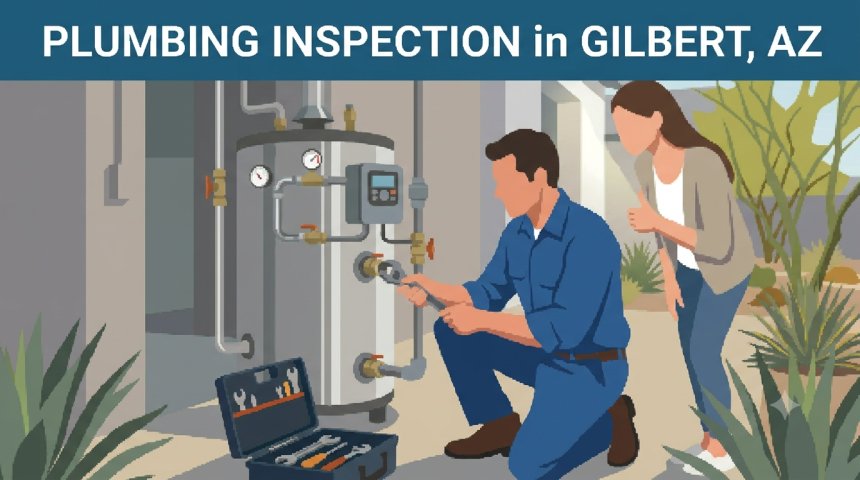
Plumbing Inspection in Gilbert, AZ
A plumbing system contains many interconnected components, including water supply lines, drains, sewer pipes, fixtures, valves, water heaters, and other equipment. Problems may not always be visible until they become serious.
Professional plumbing inspection in Gilbert, AZ can help homeowners, property managers, buyers, sellers, and businesses identify visible plumbing problems and conditions that may require further investigation.
A plumbing inspection can be useful before purchasing a property, after a major plumbing repair, during remodeling, or when recurring problems suggest a larger issue.
What Is a Plumbing Inspection?
A plumbing inspection is an evaluation of accessible plumbing components and systems.
Depending on the property, an inspection may include:
-
Water supply lines
-
Drain pipes
-
Sewer connections
-
Faucets
-
Toilets
-
Sinks
-
Water heaters
-
Shut-off valves
-
Water pressure
-
Visible leaks
-
Plumbing fixtures
-
Water treatment equipment
-
Backflow devices where applicable
The scope of an inspection depends on the property and service requested.
Home Plumbing Inspection in Gilbert, AZ
A residential plumbing inspection can help homeowners understand the condition of their plumbing system.
An inspection may identify:
-
Leaking fixtures
-
Damaged supply lines
-
Corroded pipes
-
Drain problems
-
Water heater issues
-
Low water pressure
-
Sewer concerns
-
Aging plumbing components
Early identification can make it easier to plan maintenance and repairs.
Plumbing Inspection Before Buying a Home
A plumbing inspection can provide useful information before purchasing a property.
Potential areas of concern may include:
-
Pipe condition
-
Water pressure
-
Drain performance
-
Water heater condition
-
Visible leaks
-
Fixture condition
-
Main water line
-
Sewer system concerns
A standard visual inspection may not identify every hidden defect, so additional testing may be recommended when symptoms or property conditions justify it.
Plumbing Inspection for Sellers
Property sellers may choose to have plumbing evaluated before listing a home.
Identifying plumbing issues in advance can help sellers:
-
Understand repair needs
-
Address visible problems
-
Reduce surprises during negotiations
-
Document maintenance
-
Prepare the property for sale
The inspection scope should be clearly understood before service.
Commercial Plumbing Inspection
Commercial properties can have more complex plumbing systems.
A commercial inspection may evaluate:
-
Multiple fixtures
-
Water heaters
-
Drainage
-
Sewer connections
-
Water supply
-
Backflow devices
-
Valves
-
Visible leaks
-
Plumbing equipment
Businesses may use inspections as part of maintenance planning or property management.
Plumbing Inspection for Older Homes
Older properties may have aging pipes, fixtures, valves, and other plumbing components.
An inspection can help identify:
-
Corrosion
-
Leaks
-
Deteriorated connections
-
Aging water heaters
-
Restricted drains
-
Low water pressure
-
Pipe material concerns
If multiple components show deterioration, a broader plumbing evaluation may be appropriate.
Water Pressure Inspection
Water pressure can provide useful information about plumbing performance.
During an inspection, a professional may evaluate whether pressure appears appropriate for the system and whether there are obvious restrictions or pressure-related problems.
Low or unstable pressure may require additional diagnosis.
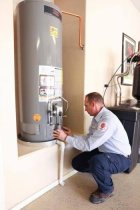
Water Heater Inspection
A plumbing inspection may include accessible water heater components.
The professional may look for:
-
Visible leaks
-
Corrosion
-
Connection problems
-
Valve issues
-
General equipment condition
-
Temperature concerns
Gas and electrical components should be handled according to appropriate safety requirements.
Leak Inspection
Leaks can occur at:
-
Faucets
-
Toilets
-
Supply lines
-
Valves
-
Water heaters
-
Exposed pipes
-
Drain connections
Some leaks are easy to see, while hidden leaks may require specialized leak detection.
Drain Inspection
Drain performance can provide important clues about plumbing condition.
A plumber may look for:
-
Slow drainage
-
Recurring clogs
-
Backups
-
Gurgling
-
Sewer odors
If deeper problems are suspected, a camera inspection may be recommended.
Sewer Line Inspection
A sewer camera can provide information about the interior of a sewer line.
Potential findings may include:
-
Root intrusion
-
Cracks
-
Heavy buildup
-
Misalignment
-
Structural deterioration
-
Foreign objects
Camera inspection is especially useful when recurring sewer problems are present.
Plumbing Inspection During Remodeling
Remodeling is a good opportunity to evaluate plumbing before walls, cabinets, or flooring are finalized.
An inspection can help identify:
-
Old supply lines
-
Damaged drain pipes
-
Poorly positioned valves
-
Water pressure concerns
-
Fixture connection problems
Addressing plumbing issues before finishing construction may reduce future disruption.
Plumbing Inspection for Water Quality Concerns
When homeowners notice changes in water taste, odor, or appearance, plumbing inspection can help determine whether the issue may be associated with:
-
Fixtures
-
Water heaters
-
Supply lines
-
Filtration equipment
-
Corrosion
-
Plumbing conditions
Water testing may also be appropriate depending on the concern.
Signs You Should Schedule a Plumbing Inspection
Consider an inspection if you notice:
-
Repeated leaks
-
Low water pressure
-
Frequent drain clogs
-
Sewer odors
-
Water stains
-
Discolored water
-
Aging plumbing
-
Unusual plumbing noises
-
Water heater problems
-
Unexpected increases in water usage
Plumbing Inspection After a Major Leak
After a significant leak, inspection can help determine whether the problem was isolated or whether other plumbing components may also be affected.
The evaluation may include:
-
Leak source
-
Nearby connections
-
Water supply lines
-
Valves
-
Pipe condition
-
Water pressure
Additional water-damage assessment may be necessary if building materials were affected.
Plumbing Inspection for Rental Properties
Property owners and managers may use plumbing inspections to monitor rental property conditions.
An inspection can help identify:
-
Fixture problems
-
Leaking pipes
-
Drain issues
-
Water heater concerns
-
Shut-off valve problems
-
Plumbing maintenance needs
Keeping records can help track recurring issues.
Plumbing Inspection Cost Factors
Inspection costs can vary depending on:
-
Property size
-
Residential or commercial use
-
Number of fixtures
-
Inspection scope
-
Accessibility
-
Additional diagnostic testing
-
Sewer camera inspection
-
Leak detection
-
Water testing
A professional can explain what is included before the inspection begins.
Frequently Asked Questions
What does a plumbing inspection include?
The scope varies, but it may include accessible supply lines, drains, fixtures, valves, water heaters, water pressure, visible leaks, and other plumbing components.
Should I get a plumbing inspection before buying a home?
A plumbing inspection can provide useful information about the condition of accessible plumbing before a purchase.
Can a plumbing inspection find hidden leaks?
A standard inspection may identify signs of a hidden leak, but specialized leak detection may be required to locate concealed leaks precisely.
Does a plumbing inspection include sewer lines?
A basic inspection may not fully evaluate the interior of a sewer line. A sewer camera inspection can provide more detailed information when needed.
How often should plumbing be inspected?
There is no single schedule for every property. Plumbing age, condition, recurring problems, property use, and maintenance history should be considered.
Can an inspection identify low water pressure?
A professional can evaluate pressure and inspect accessible plumbing to help determine whether there is an obvious restriction or pressure-related problem.
Should older homes have plumbing inspections?
Older homes can benefit from plumbing evaluation because aging pipes, valves, fixtures, and water heaters may require maintenance or replacement.
Conclusion
Professional plumbing inspection in Gilbert, AZ can help property owners identify visible plumbing problems and determine whether additional diagnostic work is necessary. Inspections can be useful before buying a home, during remodeling, after major plumbing problems, or as part of commercial property maintenance.
A plumbing inspection does not necessarily reveal every concealed defect, but it can provide valuable information about accessible plumbing components and help identify warning signs that deserve further attention.
If you are concerned about leaks, drains, water pressure, sewer lines, water heaters, aging plumbing, or recurring plumbing problems, contact a qualified plumbing professional in Gilbert, AZ to discuss an appropriate inspection.