Water Leak Detection in Gilbert, AZ
A water leak can begin as a small plumbing issue and develop into significant property damage if it remains unnoticed. Some leaks are easy to identify, such as water dripping from a visible pipe. Others may remain hidden behind walls, beneath flooring, under concrete slabs, or underground.
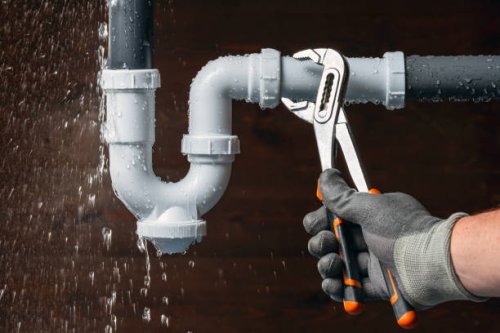
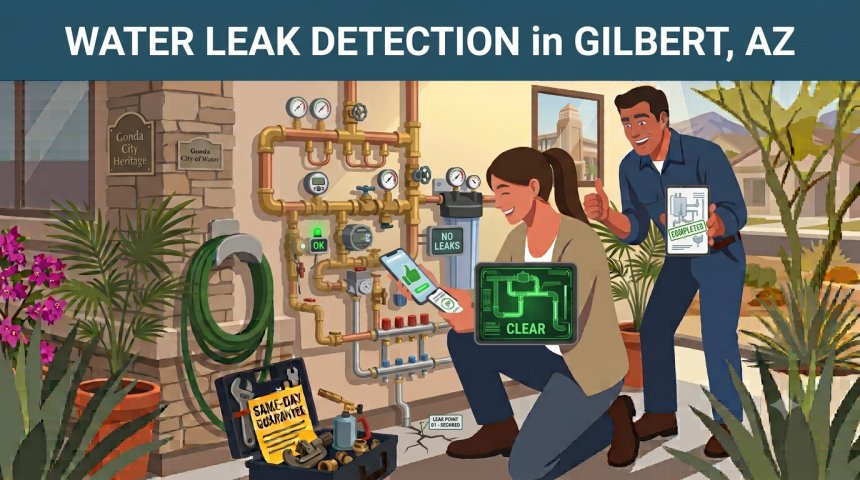
Professional water leak detection in Gilbert, AZ can help locate the source of a suspected leak and determine whether the issue involves a fixture, supply pipe, drain line, water heater, slab plumbing, or another part of the plumbing system.
Finding the source is an important first step because visible water is not always located directly above or next to the actual leak.
What Is Water Leak Detection?
Water leak detection is the process of identifying the location and likely source of unwanted water escaping from a plumbing system.
A professional plumber may use visual inspection, pressure testing, specialized listening equipment, moisture assessment, thermal technology, or other diagnostic methods depending on the situation.
The goal is to identify the source while limiting unnecessary disruption to the property.
Signs of a Hidden Water Leak
Some leaks are obvious, while others produce indirect warning signs.
Unexpected Increase in Water Use
A sudden or unexplained increase in water consumption can indicate a leak.
Damp Walls or Ceilings
Moisture on walls or ceilings may indicate a leaking pipe or fixture.
Water Stains
Brown, yellow, or discolored areas can develop where water repeatedly reaches building materials.
Musty Odors
Persistent damp or musty smells can indicate hidden moisture.
Mold or Mildew
Unexpected mold growth can sometimes be associated with ongoing moisture.
Sound of Running Water
Hearing water movement when fixtures are not being used may indicate a leak.
Warm or Damp Flooring
Unexpected warm spots or damp areas can sometimes indicate a plumbing leak beneath the floor.
Cracks or Damage
Changes in flooring, drywall, paint, or other surfaces can sometimes occur because of moisture.
Common Locations for Water Leaks
Leaks can occur throughout a plumbing system.
Common locations include:
- Under sinks
- Toilets
- Faucets
- Shower plumbing
- Water heaters
- Washing machine connections
- Supply lines
- Wall plumbing
- Ceiling plumbing
- Underground water lines
- Slab plumbing
- Outdoor hose bibs
Hidden Water Leak Detection
Hidden leaks can be difficult to locate because the pipe may be inaccessible.
Water can travel along framing, flooring, insulation, or other materials before becoming visible.
This means the location of a water stain does not necessarily identify the source.
Professional leak detection can help narrow down the actual location.
Slab Leak Detection
A slab leak occurs when a water pipe beneath a concrete slab develops a leak.
Possible warning signs include:
- Warm flooring
- Unexplained water sounds
- Damp areas
- Cracks
- Increased water usage
- Persistent moisture
- Water collecting around the foundation or floor
Slab leak detection should be performed carefully because unnecessary concrete removal can create additional disruption.
Underground Water Leak Detection
Leaks can also occur in underground water lines.
Signs may include:
- Wet patches in the yard
- Unusual vegetation growth
- Soil that remains damp
- Reduced water pressure
- Unexpected water usage
- Water pooling without an obvious source
Professional evaluation can help determine whether an underground line is leaking.
Water Pressure and Leak Detection
A change in water pressure can sometimes be associated with a plumbing leak, although pressure can also be affected by other plumbing conditions.
If water pressure suddenly changes along with increased water usage or damp areas, a plumbing inspection may be appropriate.
Leak Detection for Older Homes
Older plumbing systems may have aging pipes, connections, and fixtures.
As plumbing materials deteriorate, leaks may become more likely.
Homeowners in older properties should pay attention to unexplained moisture, recurring repairs, and unusual water bills.
Water Leak Detection Process
Step 1: Discuss the Symptoms
The plumber asks about water usage, visible moisture, sounds, stains, and recent plumbing changes.
Step 2: Inspect Accessible Plumbing
Visible pipes, fixtures, valves, and connections are examined.
Step 3: Check Water Usage or Pressure
Appropriate testing may help determine whether water is escaping when fixtures are not being used.
Step 4: Locate the Suspected Area
Specialized diagnostic equipment may be used where appropriate.
Step 5: Identify the Source
The plumber determines the most likely leak location.
Step 6: Recommend Repair
The appropriate repair method is explained based on the pipe and leak location.
Why Leak Detection Should Be Done Early
A hidden leak can continue damaging materials even when only a small amount of water is escaping.
Ongoing moisture can affect:
- Drywall
- Flooring
- Cabinets
- Insulation
- Wood framing
- Paint
- Personal belongings
Early detection can help limit the duration of the leak and reduce the risk of more extensive damage.
Water Leak Detection vs. Water Leak Repair
Detection identifies where the problem is.
Repair addresses the actual plumbing failure.
Both steps are important when a leak is hidden.
Repair without accurate diagnosis can sometimes lead to unnecessary opening of walls or floors.
Non-Invasive Leak Detection
Depending on the situation, plumbers may use specialized methods designed to identify leaks while minimizing unnecessary damage.
Potential diagnostic tools can include:
- Acoustic listening equipment
- Thermal imaging
- Pressure testing
- Moisture assessment
- Specialized electronic detection equipment
The appropriate method depends on the suspected leak and plumbing configuration.
Water Leak Detection for Commercial Properties
Commercial buildings can have larger and more complex plumbing systems.
A hidden leak may affect offices, retail spaces, restaurants, apartments, or other facilities.
Prompt detection can help reduce operational disruption and property damage.
Emergency Water Leak Detection in Gilbert
Some leaks require immediate attention.
Examples include:
- A burst pipe
- Active ceiling leak
- Major supply line leak
- Rapid water accumulation
- Severe water pressure loss
- Water entering electrical areas
If water is actively spreading through the property, shut off the water supply if you can safely identify the correct shutoff valve.
If electrical equipment is affected, avoid contact with water and seek appropriate professional assistance.
Water Leak Detection Cost in Gilbert
Leak detection costs vary based on:
- Location of the suspected leak
- Accessibility
- Type of plumbing
- Diagnostic equipment required
- Complexity of the plumbing system
- Whether the leak is underground or beneath a slab
- Time required to identify the source
A straightforward visible leak may require less diagnostic work than a hidden slab or underground leak.
What Happens After a Leak Is Found?
Once the leak is located, the plumber can explain the available repair options.
Depending on the situation, repair may involve:
- Replacing a damaged fitting
- Repairing a pipe section
- Replacing a supply line
- Repairing a water heater connection
- Addressing a slab leak
- Replacing an underground water line
- Replacing damaged plumbing components
The appropriate solution depends on the leak's location and cause.
Preventing Water Leaks
Homeowners can reduce some plumbing risks by:
- Inspecting visible plumbing regularly.
- Replacing deteriorated hoses and connectors.
- Addressing corrosion.
- Monitoring water bills.
- Checking under sinks.
- Inspecting water heater connections.
- Addressing changes in water pressure.
- Responding quickly to damp areas or stains.
Questions to Ask a Leak Detection Professional
Ask:
- Where is the leak located?
- What caused it?
- Is the leak inside a wall, under the slab, or underground?
- What diagnostic method was used?
- Does the pipe need repair or replacement?
- Will access require opening a wall or floor?
- Is additional moisture inspection necessary?
- What should be repaired first?
Choosing Water Leak Detection in Gilbert, AZ
A professional leak detection service should focus on identifying the source of the problem rather than simply treating visible water.
Experienced plumbers can evaluate accessible plumbing, determine whether hidden testing is needed, and recommend appropriate repair options.
Final Thoughts
Water leaks should not be ignored, particularly when the source is unknown.
An unexplained increase in water use, damp walls, water stains, musty odors, warm flooring, low pressure, or visible water can all justify a professional plumbing inspection.
Professional water leak detection in Gilbert, AZ can help locate hidden leaks in walls, floors, slabs, underground lines, and other difficult-to-access areas.
If you suspect that your Gilbert property has a hidden or active water leak, arrange professional detection as soon as possible to identify the source and determine the appropriate repair.