Main Sewer Line Cleaning in Gilbert, AZ
The main sewer line is responsible for carrying wastewater from a property toward the larger sewer system. When this line becomes clogged, restricted, or damaged, multiple plumbing fixtures can be affected at the same time.
Unlike a simple sink or toilet clog, a main sewer line problem can impact much of the property. Professional main sewer line cleaning in Gilbert, AZ can help remove certain blockages, restore drainage, and identify conditions that may cause recurring sewer problems.
Main sewer cleaning is not always the same as routine drain cleaning. The location, size, depth, condition, and cause of the blockage can require specialized equipment and diagnostic methods.
What Is a Main Sewer Line?
The main sewer line is the larger drainage pipe that carries wastewater away from the property.
Individual fixtures such as:
- Toilets
- Sinks
- Showers
- Bathtubs
- Washing machines
- Kitchen drains
eventually connect to the property's larger drainage system.
If the main sewer line becomes obstructed, wastewater may have difficulty leaving the property.
Signs of a Main Sewer Line Clog
A main sewer problem can produce several warning signs.
Common symptoms include:
- Multiple slow drains
- Several clogged fixtures
- Sewer odors
- Gurgling toilets
- Water backing up into tubs
- Wastewater returning through floor drains
- Repeated drain blockages
- Unusual toilet behavior
- Drain problems affecting multiple bathrooms
When several fixtures experience problems simultaneously, the blockage may be located beyond an individual fixture drain.
Main Sewer Line Cleaning vs. Regular Drain Cleaning
Regular drain cleaning typically addresses a blockage affecting a particular fixture or branch drain.
Main sewer line cleaning addresses a larger drainage pathway that carries wastewater from multiple fixtures.
For example, a single clogged bathroom sink may not require main sewer cleaning. However, if multiple toilets, showers, and sinks begin backing up, the main sewer line may need inspection.
Correct diagnosis helps prevent unnecessary service.
Causes of Main Sewer Line Blockages
Several conditions can restrict a sewer line.
Grease and Organic Buildup
Although grease is commonly associated with kitchen drains, buildup can contribute to drainage restrictions as material accumulates over time.
Foreign Objects
Items that should not enter the drainage system can create blockages.
Tree Root Intrusion
Roots may enter damaged or compromised sewer pipes and interfere with wastewater flow.
Pipe Damage
Cracks, collapsed sections, offsets, or deteriorated pipe material can obstruct the sewer line.
Sediment and Debris
Accumulated debris can reduce the usable diameter of a sewer pipe.
Main Sewer Line Cleaning Methods
The appropriate cleaning method depends on the type and location of the blockage.
Mechanical Sewer Cleaning
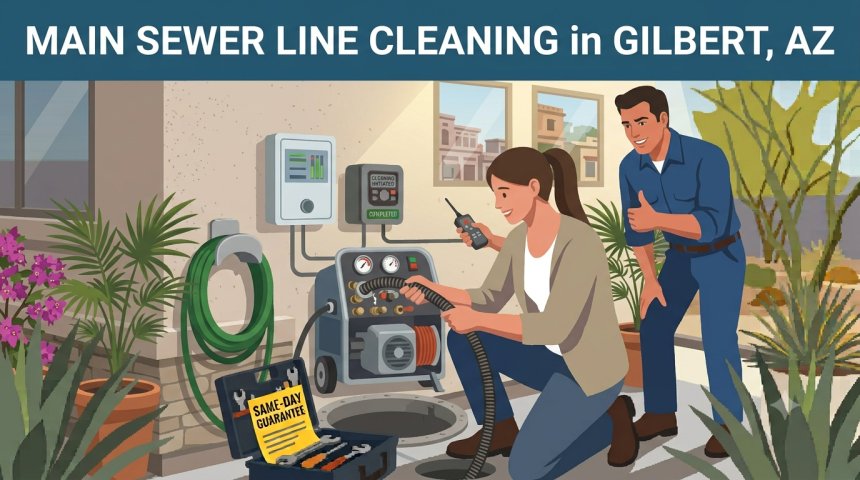
A sewer cleaning machine can use specialized equipment to break through or remove certain obstructions.
Hydro Jetting
Hydro jetting uses high-pressure water to clean buildup from the inside of suitable sewer pipes.
It can be useful for certain grease, sludge, mineral, and organic deposits.
Sewer Camera Inspection
A camera can help identify what is happening inside the sewer pipe.
It may reveal:
- Root intrusion
- Cracks
- Breaks
- Blockages
- Pipe offsets
- Collapsed sections
- Heavy buildup
Camera inspection can be particularly useful when a blockage keeps returning.
When Should You Schedule Main Sewer Cleaning?
Professional sewer cleaning may be appropriate when you notice:
- Repeated sewer backups
- Multiple slow drains
- Frequent toilet clogs
- Sewer odors
- Gurgling drains
- Wastewater backups
- A history of recurring sewer blockages
- Poor drainage throughout the property
Early inspection can help determine whether the issue is a simple blockage or a damaged sewer line.
Emergency Main Sewer Line Cleaning
A sewer backup involving wastewater can require prompt attention.
Emergency conditions may include:
- Sewage entering the home
- Multiple fixtures backing up
- Wastewater coming through floor drains
- Toilet overflow connected to a larger drainage issue
- Severe sewer odors combined with drainage problems
When sewage is present, avoid unnecessary contact and keep people and pets away from contaminated areas.
Sewer Root Intrusion
Tree roots can enter sewer pipes through cracks, joints, or other openings.
Root intrusion may cause:
- Repeated clogs
- Slow drainage
- Sewer backups
- Gurgling
- Reduced pipe capacity
Cleaning can sometimes restore flow temporarily, but recurring root intrusion may require additional repair or replacement.
How a Sewer Camera Helps
A sewer camera allows a plumber to visually inspect the inside of the sewer line.
The camera can help answer questions such as:
- Where is the blockage?
- Is there root intrusion?
- Is the pipe cracked?
- Is the pipe collapsed?
- Is there heavy buildup?
- Are pipe joints offset?
- Does the pipe appear structurally sound?
This information can help determine whether cleaning alone is appropriate.
Hydro Jetting for Main Sewer Lines
Hydro jetting may be recommended when a sewer pipe contains significant internal buildup.
The process uses specialized equipment to direct high-pressure water through the pipe.
Potential benefits include:
- Removing certain buildup
- Cleaning pipe walls
- Improving flow
- Addressing some recurring blockages
- Preparing a pipe for inspection
Hydro jetting is not appropriate for every damaged or severely deteriorated pipe. The condition of the sewer line should be considered before using high-pressure cleaning equipment.
Main Sewer Line Maintenance
Regular maintenance may be useful for properties with a history of recurring sewer issues.
Maintenance may include:
- Periodic sewer inspections
- Camera inspection when appropriate
- Professional drain cleaning
- Root management
- Monitoring recurring symptoms
- Repairing damaged pipe sections
The appropriate maintenance frequency depends on the property's plumbing system and history.
What Happens During Main Sewer Cleaning?
A professional sewer cleaning service may include several steps.
Initial Diagnosis
The plumber evaluates symptoms and determines whether the problem appears to involve the main sewer line.
Access
The appropriate sewer access point is located.
Inspection
A camera or other diagnostic method may be used when necessary.
Cleaning
The selected cleaning method is used to remove the obstruction or buildup.
Flow Testing
The drainage system is checked to determine whether wastewater is flowing properly.
Additional Recommendations
If structural damage or recurring root intrusion is identified, additional repair options may be discussed.
When Cleaning Is Not Enough
Cleaning can restore flow when the primary problem is a removable blockage or buildup. However, cleaning cannot permanently correct every sewer problem.
Replacement or repair may be necessary when there is:
- Collapsed pipe
- Severe cracking
- Major pipe separation
- Extensive structural damage
- Persistent root intrusion
- Significant deterioration
- Repeated failure after cleaning
A camera inspection can help determine whether the pipe itself is damaged.
Main Sewer Line Repair
If the sewer line has structural damage, a repair may be required.
Depending on the location and condition, repair options can include:
- Spot repair
- Section replacement
- Trenchless repair
- Traditional excavation
- Full sewer replacement
The appropriate option depends on the specific property and pipe condition.
Main Sewer Cleaning for Older Properties
Older plumbing systems may have pipes made from materials that have deteriorated over time.
Warning signs may include:
- Frequent backups
- Persistent odors
- Repeated clogs
- Slow drainage
- Visible plumbing deterioration
- Previous sewer repairs
A sewer camera inspection can provide useful information about the current condition of the line.
Preventing Main Sewer Problems
Homeowners can help reduce certain sewer problems by:
- Avoiding flushing inappropriate materials
- Keeping grease out of drains
- Using drain screens
- Addressing recurring clogs
- Scheduling inspections when appropriate
- Monitoring unusual drainage behavior
- Maintaining trees and landscaping appropriately
- Responding quickly to sewer odors and backups
No maintenance method can prevent every sewer problem, particularly when structural pipe damage exists.
Factors Affecting Sewer Cleaning Cost
Main sewer cleaning costs can vary depending on:
- Blockage severity
- Pipe size
- Sewer line location
- Access point
- Required equipment
- Cleaning method
- Root intrusion
- Need for camera inspection
- Pipe condition
- Additional repair requirements
An on-site evaluation is generally needed to determine the actual scope of work.
Why Professional Sewer Cleaning Is Important
Main sewer lines are larger and more complex than individual fixture drains. Attempting to clear a serious blockage without appropriate equipment may not solve the underlying problem.
Professional sewer service can provide:
- Proper diagnosis
- Specialized cleaning equipment
- Camera inspection when needed
- Identification of structural problems
- Recommendations for long-term solutions
This can help distinguish between a temporary blockage and a sewer line that requires repair.
Frequently Asked Questions
What is a main sewer line clog?
A main sewer line clog is an obstruction in the larger drainage pipe that carries wastewater away from multiple fixtures.
How do I know if my main sewer line is clogged?
Multiple slow drains, several clogged fixtures, gurgling toilets, sewer odors, and wastewater backups can indicate a main sewer problem.
Can hydro jetting clean a sewer line?
Hydro jetting can remove certain types of buildup and blockage from suitable sewer pipes. The pipe's condition should be assessed before high-pressure cleaning.
Does sewer cleaning fix a damaged pipe?
Cleaning can remove blockages, but it does not repair structural damage such as a collapsed or severely cracked pipe.
How often should a main sewer line be cleaned?
There is no universal schedule. Properties with recurring blockages or root problems may require more frequent professional inspection or maintenance.
Can tree roots cause sewer backups?
Yes. Roots can enter compromised sewer pipes and restrict wastewater flow, potentially causing recurring backups.
Is sewer camera inspection necessary?
It is not required for every simple blockage, but it can be valuable when a problem is recurring or the cause is uncertain.
Conclusion
A blocked main sewer line can affect multiple plumbing fixtures and may lead to serious drainage or wastewater problems. Main sewer line cleaning in Gilbert, AZ can help remove certain blockages, restore drainage, and identify conditions contributing to recurring sewer issues.
When several drains are affected at the same time, repeated backups occur, or wastewater begins returning into the property, professional sewer evaluation is recommended. Cleaning may resolve a removable blockage, while camera inspection can determine whether the underlying sewer pipe also requires repair or replacement.