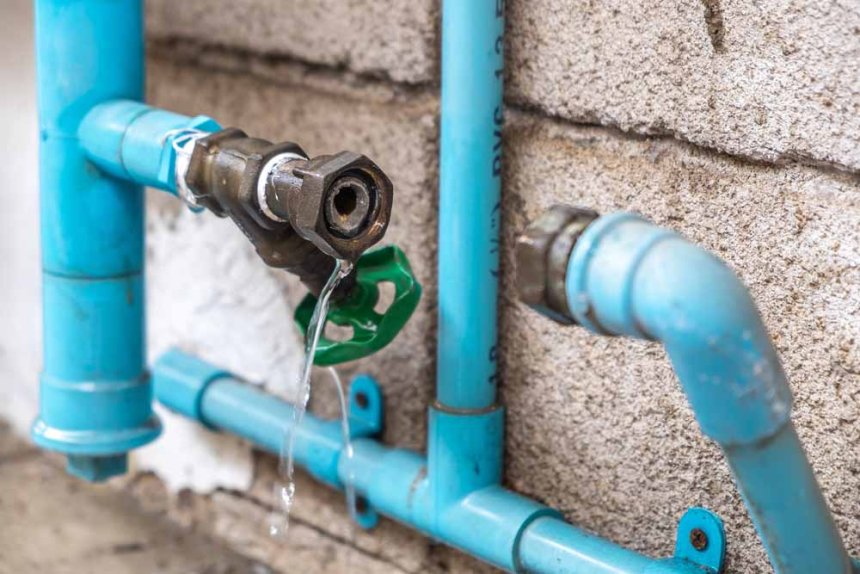
Pipe Repair & Replacement in Gilbert, AZ
Plumbing pipes are an essential part of every residential and commercial property. They carry clean water to faucets, showers, appliances, and other fixtures while separate drainage pipes carry wastewater away from the building.
Over time, pipes can develop leaks, corrosion, cracks, blockages, weak joints, or other problems. Some issues are visible, while others remain hidden inside walls, beneath floors, underground, or in difficult-to-access areas.
Professional pipe repair and replacement in Gilbert, AZ can help property owners address damaged plumbing before a small problem develops into extensive water damage or a major plumbing failure.
The appropriate solution depends on the pipe material, location, age, condition, severity of damage, accessibility, and overall plumbing system.
What Is Pipe Repair?
Pipe repair involves fixing a damaged section of plumbing without necessarily replacing the entire pipe system.
Depending on the problem, repair may involve replacing a fitting, repairing a connection, replacing a short section, or using another appropriate repair method.
Pipe repair can be practical when the surrounding plumbing remains in good condition.
What Is Pipe Replacement?
Pipe replacement involves removing damaged or deteriorated plumbing and installing new pipe.
Replacement may be considered when a pipe has extensive corrosion, repeated leaks, major cracks, structural deterioration, or other problems that make continued repair impractical.
In some cases, replacing a larger section can provide a more reliable long-term solution than repeatedly repairing individual leaks.
Common Signs of Damaged Pipes
Homeowners should pay attention to warning signs such as:
- Visible water leaks
- Damp walls
- Water stains
- Low water pressure
- Discolored water
- Unusual plumbing noises
- Repeated clogs
- Mold or mildew
- Unexpected increases in water usage
- Wet areas around plumbing
- Recurring pipe repairs
Not every symptom automatically means a pipe needs replacement, so professional diagnosis is important.
Common Causes of Pipe Damage
Age
Older plumbing can eventually deteriorate.
Corrosion
Some pipe materials can corrode over time.
Mineral Buildup
Mineral deposits can restrict water flow and affect certain plumbing components.
High Water Pressure
Excessive pressure can place additional stress on plumbing.
Freezing Conditions
In areas where temperatures become cold enough, freezing water can expand and damage pipes.
Ground Movement
Underground pipes can be affected by movement in the surrounding soil.
Poor Installation
Incorrect installation can contribute to premature plumbing problems.
Physical Damage
Construction, landscaping, or other activities can damage underground pipes.
Pipe Repair for Leaking Plumbing
A leaking pipe should be addressed promptly.
Even a small leak can create ongoing moisture.
If the leak is inside a wall, under flooring, or underground, the visible damage may not show the full extent of the problem.
A plumber can locate the source and determine whether repair or replacement is appropriate.
Pipe Replacement for Repeated Leaks
If the same pipe section repeatedly develops leaks, repairing each leak individually may not be the best long-term approach.
Repeated failures can indicate broader deterioration.
A professional inspection can determine whether replacing a larger section or repiping part of the property would be more practical.
Water Supply Pipe Problems
Supply pipes carry pressurized water throughout the property.
Problems can include:
- Leaks
- Corrosion
- Low pressure
- Cracks
- Damaged connections
- Restricted flow
Supply pipe failures can cause significant water loss because these lines may remain pressurized even when fixtures are not being used.
Drain Pipe Problems
Drain pipes carry wastewater away from fixtures.
Common problems include:
- Cracks
- Blockages
- Broken joints
- Root intrusion
- Corrosion
- Pipe collapse
Drain pipe problems may cause slow drainage, recurring backups, unpleasant odors, or wastewater issues.
Pipe Repair Process
Step 1: Inspection
The plumber evaluates the visible plumbing and reported symptoms.
Step 2: Locate the Problem
If the pipe is hidden, appropriate diagnostic methods may be used.
Step 3: Determine Pipe Condition
The plumber assesses whether the problem is isolated or part of broader deterioration.
Step 4: Recommend Repair or Replacement
The appropriate solution is explained based on the condition of the pipe.
Step 5: Complete the Plumbing Work
The damaged section is repaired or replaced.
Step 6: Test the System
The plumbing is tested to confirm proper operation and check for leaks.
When Is Pipe Repair Appropriate?
Repair may be appropriate when:
- Damage is limited to one section.
- The remaining pipe is in good condition.
- The pipe material is suitable for continued use.
- There is no evidence of widespread deterioration.
- Repair provides a reasonable long-term solution.
When Is Pipe Replacement Better?
Replacement may be recommended when:
- Leaks occur repeatedly.
- The pipe is severely corroded.
- There are multiple damaged sections.
- The pipe has collapsed.
- The plumbing material has deteriorated significantly.
- Repairs are becoming frequent.
- The existing pipe is unsuitable for continued service.
Pipe Replacement in Walls
When a leaking pipe is located inside a wall, access may be necessary.
A professional plumber should identify the most practical access point while minimizing unnecessary damage.
After plumbing work is completed, wall restoration may be handled separately depending on the project.
Underground Pipe Replacement
Underground plumbing can be more complicated because the pipe may be located beneath landscaping, driveways, concrete, or other surfaces.
A professional can determine the location and condition of the damaged line before recommending a repair or replacement method.
Trenchless Options
For certain underground plumbing problems, trenchless repair or replacement methods may be available.
These techniques can sometimes reduce excavation compared with traditional methods.
Suitability depends on pipe condition, location, access, and the specific system.
Choosing the Right Replacement Pipe
The appropriate replacement material depends on the application.
Factors can include:
- Pipe location
- Water or drainage use
- Local requirements
- Existing plumbing
- System pressure
- Installation conditions
- Long-term maintenance considerations
A professional plumber can recommend suitable materials for the specific application.
Pipe Repair and Water Pressure
Low water pressure can sometimes be related to restricted or damaged pipes.
However, pressure problems can also originate from fixtures, valves, regulators, municipal supply conditions, or other plumbing components.
A proper diagnosis is necessary before replacing pipes.
Pipe Repair for Older Homes
Older properties may have aging plumbing systems.
If multiple plumbing issues occur within a short period, it may be worth evaluating the overall condition of the system instead of treating every leak separately.
A professional inspection can identify whether localized repairs or larger-scale replacement makes more sense.
Pipe Repair Cost in Gilbert, AZ
Pipe repair and replacement costs vary significantly.
Factors include:
- Pipe material
- Pipe size
- Damage severity
- Location
- Accessibility
- Labor
- Excavation
- Wall or floor access
- Replacement material
- Number of affected sections
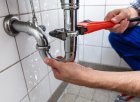
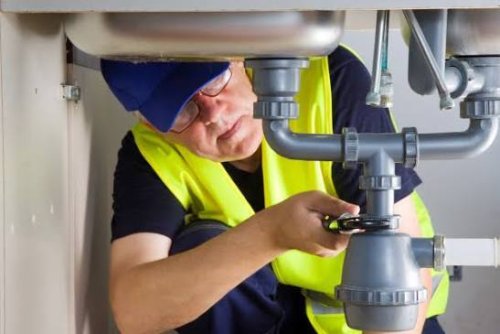
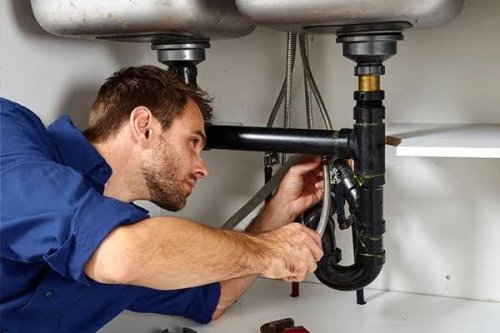
A visible pipe under a sink is generally a very different project from replacing an underground main water line.
How to Prevent Pipe Problems
Homeowners can help protect plumbing by:
- Monitoring water pressure.
- Fixing leaks quickly.
- Inspecting exposed pipes.
- Avoiding harsh chemical drain products when inappropriate.
- Addressing recurring clogs.
- Scheduling plumbing inspections when needed.
- Watching for unexplained increases in water use.
- Maintaining water treatment equipment when applicable.
Emergency Pipe Repair
Some pipe failures require immediate attention.
A burst or rapidly leaking pressurized water line can cause significant water damage.
If a major pipe leak occurs, shut off the property's main water supply if it is safe to do so and contact a professional plumber.
Questions to Ask a Pipe Repair Professional
Before work begins, ask:
- What caused the pipe problem?
- Can the pipe be repaired?
- How much of the pipe needs replacement?
- Is there evidence of additional deterioration?
- What pipe material will be used?
- Will walls, floors, or landscaping need to be opened?
- Is excavation required?
- Are there alternative repair methods?
- How will the system be tested afterward?
Professional Pipe Repair & Replacement in Gilbert
Damaged plumbing pipes should not be ignored.
A small leak can develop into water damage, while repeated pipe failures can indicate that a larger plumbing problem exists.
Professional pipe repair and replacement in Gilbert, AZ can help property owners determine whether a damaged pipe should be repaired, partially replaced, or completely replaced.
If you notice leaks, low water pressure, recurring plumbing problems, unusual water usage, or signs of pipe deterioration, schedule a professional plumbing inspection to determine the right solution.