Slab Leak Detection & Repair in Gilbert, AZ
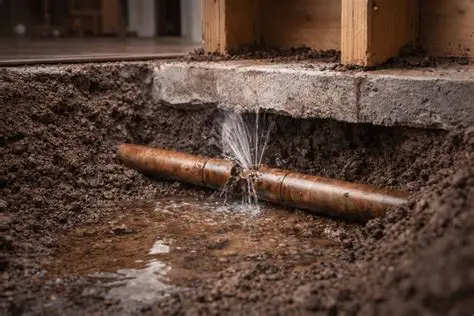
A slab leak is a plumbing leak that occurs in or beneath a concrete slab foundation. Because the affected pipe may be hidden beneath concrete, identifying and repairing the problem can be more complicated than fixing a visible pipe leak.
Professional slab leak detection and repair in Gilbert, AZ focuses on accurately locating the source of the leak, determining the condition of the affected plumbing, and selecting an appropriate repair method.
Slab leaks can involve hot-water or cold-water supply lines. Some leaks produce obvious signs, while others develop gradually and may initially appear to be unrelated to the plumbing system.
Homeowners may notice warm flooring, damp areas, unexplained water usage, reduced water pressure, sounds of running water, or moisture near the foundation.
Because water can travel through different materials before becoming visible, the location of a wet spot does not always identify the exact location of the damaged pipe.
What Is a Slab Leak?
A slab leak occurs when a plumbing pipe located under or within a concrete slab develops a leak.
The plumbing may be part of the home's water supply system. Depending on the building's design, pipes can run through or beneath the foundation area.
When a pipe develops a leak, water may escape into surrounding soil, concrete, flooring, or other building materials.
The longer the leak continues, the greater the potential for water waste and property damage.
Common Signs of a Slab Leak
Slab leaks can be difficult to identify because the plumbing is hidden.
Common warning signs include:
- Unexplained increase in water usage
- Warm areas on floors
- Damp flooring
- Wet spots with no visible source
- Sounds of running water
- Low water pressure
- Reduced hot water performance
- Cracks or moisture around flooring
- Musty odors
- Persistent dampness
- Water pooling near the foundation
- Unexpected water damage
- Areas of flooring that remain unusually warm
Not every symptom automatically means a slab leak. Several plumbing and building problems can produce similar signs. Professional diagnosis is therefore important.
Warm Floors as a Warning Sign
A warm area on a floor can sometimes indicate a hot-water line leak beneath the slab.
When heated water escapes from a damaged hot-water pipe, the surrounding area may become warmer than expected.
However, warm flooring can have other explanations, including normal heat transfer or environmental conditions.
If a warm spot is accompanied by other plumbing symptoms, professional leak detection can help determine whether an under-slab leak is involved.
Unexplained Water Usage
A sudden increase in water consumption can be an important clue.
If household water habits have not changed but water usage has increased unexpectedly, there may be a leak somewhere in the plumbing system.
Possible sources include:
- Toilets
- Faucets
- Outdoor plumbing
- Underground water lines
- Water heaters
- Supply pipes
- Slab plumbing
Professional testing can help narrow down the source.
Sounds of Running Water
Hearing water movement when all faucets and water-using appliances are turned off may indicate an active leak.
A hidden pipe beneath a slab can sometimes continue leaking even though there is no visible water.
If you hear unexplained water sounds, it is worth investigating rather than assuming they are normal.
Causes of Slab Leaks
Several factors can contribute to plumbing leaks beneath concrete.
Pipe Corrosion
Over time, some plumbing materials can deteriorate or corrode.
Corrosion can weaken pipe walls and eventually create leaks.
Aging Plumbing
Older plumbing systems may be more susceptible to leaks because of long-term wear and deterioration.
Ground Movement
Changes in soil conditions and movement around a structure can place stress on underground or under-slab plumbing.
Pressure Problems
Abnormally high water pressure can place additional stress on plumbing components.
Poor Installation
Incorrect installation, improper connections, or inadequate support can contribute to long-term plumbing problems.
Pipe Material Deterioration
Certain pipe materials can become damaged or deteriorate over time depending on their environment and service conditions.
Slab Leak Detection in Gilbert, AZ
Finding an under-slab leak requires a methodical approach.
A professional may begin by reviewing the homeowner's symptoms and examining accessible plumbing.
Potential diagnostic steps can include:
- Checking water pressure
- Inspecting fixtures
- Monitoring water usage
- Testing accessible supply lines
- Listening for water movement
- Evaluating temperature differences
- Using specialized leak detection equipment
The exact method depends on the property's plumbing configuration and the suspected leak location.
Why Accurate Detection Matters
A slab leak should be located as accurately as possible before major repair work begins.
Accurate detection can help:
- Reduce unnecessary concrete removal
- Identify the affected pipe
- Determine the repair location
- Limit disruption
- Improve repair planning
- Reduce unnecessary labor
- Help evaluate repair alternatives
Breaking concrete without first determining where the plumbing problem is located can result in unnecessary damage and additional costs.
Professional Slab Leak Detection Process
Step 1: Discuss Symptoms
The technician asks about warm flooring, water usage, pressure changes, dampness, sounds, and other observations.
Step 2: Inspect the Plumbing System
Accessible fixtures, valves, water heater connections, and other components may be checked first.
Step 3: Test for an Active Leak
The plumbing system may be evaluated to determine whether water is escaping when fixtures are not being used.
Step 4: Locate the Leak
Specialized detection techniques may be used to narrow down the location beneath or around the slab.
Step 5: Determine the Repair Strategy
Once the leak is located, the technician evaluates the pipe, surrounding area, accessibility, and overall plumbing condition.
Slab Leak Repair Options
There is no single repair method that works for every slab leak.
The appropriate solution depends on:
- Pipe location
- Pipe material
- Extent of damage
- Accessibility
- Number of affected sections
- Condition of surrounding plumbing
- Property layout
- Long-term reliability considerations
Potential repair strategies can include accessing the damaged section directly, repairing a localized pipe, rerouting plumbing, or replacing a larger section of the affected line.
Direct Access Slab Leak Repair
One option is to access the damaged pipe through the slab.
This approach may involve:
- Locating the affected section
- Preparing the work area
- Carefully accessing the concrete
- Exposing the damaged pipe
- Repairing or replacing the affected section
- Testing the plumbing
- Coordinating appropriate restoration of the opened area
The advantage of direct access is that the damaged section can be addressed directly.
However, the work can involve disruption to flooring and concrete.
Rerouting Plumbing
In some situations, rerouting the affected plumbing may be considered instead of opening the slab over the entire damaged route.
A reroute involves creating a new plumbing path that avoids the problematic section.
Whether this option is practical depends on the home's layout, pipe configuration, accessibility, and condition of the existing plumbing.
A professional can explain whether rerouting is suitable for the property.
Repiping for Repeated Slab Leaks
If a home experiences multiple plumbing failures, repairing individual leaks one at a time may not always provide the best long-term strategy.
Repeated leaks can indicate broader deterioration.
Depending on the condition of the plumbing system, a homeowner may consider:
- Partial repiping
- Whole-house repiping
- Rerouting
- Replacement of affected plumbing sections
A professional plumbing inspection can help determine whether the problem is isolated or part of a larger system issue.
Slab Leak Repair vs. Foundation Repair
A plumbing leak beneath a slab and a structural foundation problem are not necessarily the same thing.
Water from a plumbing leak can affect surrounding materials, but not every crack, moisture spot, or foundation symptom is caused by a slab leak.
Correct diagnosis is important.
If a concern appears structural rather than plumbing-related, additional evaluation from an appropriate building or foundation professional may be necessary.
Can a Slab Leak Damage a Home?
A persistent plumbing leak can expose parts of a property to moisture.
Potential concerns include:
- Damp flooring
- Damaged flooring materials
- Moisture accumulation
- Mold or mildew conditions
- Higher water consumption
- Soil saturation
- Damage to surrounding building materials
The extent of impact depends on the amount of water released, duration of the leak, location, building construction, and how quickly the problem is addressed.
Slab Leak Repair and Water Damage
Stopping the plumbing leak is only one part of addressing a significant water problem.
If water has entered flooring, walls, insulation, or other building materials, additional drying or restoration may be required.
Plumbing professionals can address the source of the leak, while specialized water damage restoration providers may be appropriate for extensive moisture-related damage.
Emergency Slab Leak Situations
A suspected slab leak can become urgent when there is:
- Rapid water loss
- Significant indoor moisture
- Major pressure loss
- Water entering living areas
- A continuously running water supply
- Extensive flooring damage
- A suspected major pipe failure
When a major leak occurs, shutting off the water supply if safely possible can help reduce ongoing water loss while professional service is arranged.
How Much Does Slab Leak Repair Cost in Gilbert, AZ?
The cost of slab leak detection and repair in Gilbert, AZ can vary substantially because every property and plumbing configuration is different.
Important cost factors include:
- Detection requirements
- Location of the leak
- Type of pipe
- Accessibility
- Repair method
- Concrete access requirements
- Flooring type
- Labor
- Replacement materials
- Number of damaged sections
- Need for rerouting
- Extent of water damage
Detection and repair are separate parts of the overall process, and the total project cost depends on what is found during diagnosis.
A professional inspection is the best way to determine the appropriate scope of work.
How Long Does Slab Leak Repair Take?
The timeline depends on the complexity of the leak.
A relatively accessible localized repair may be completed faster than a leak requiring extensive concrete access or plumbing rerouting.
Factors affecting the timeline include:
- Detection difficulty
- Pipe location
- Repair method
- Concrete thickness
- Flooring
- Number of affected areas
- Availability of materials
- Restoration requirements
A professional can provide a more realistic timeline after inspecting the property.
Preventing Slab Leak Problems
Not every slab leak can be prevented, but homeowners can take steps to identify plumbing problems early.
Monitor Water Bills
Unexpected increases in water consumption can indicate a leak.
Check Water Pressure
Abnormally high pressure can stress plumbing.
Pay Attention to Warm Flooring
Unexpected warm areas may warrant investigation, especially when combined with other symptoms.
Watch for Dampness
Persistent moisture should not be ignored.
Schedule Plumbing Inspections
Periodic inspections can help identify aging or deteriorating plumbing.
Address Minor Leaks Quickly
Small visible leaks can sometimes indicate broader plumbing deterioration.
Slab Leak Detection for Older Homes
Older homes may have plumbing systems that have experienced many years of service.
If a property has recurring leaks, low pressure, corrosion, or multiple plumbing repairs, a broader inspection may be useful.
The goal is not simply to repair today's leak but to understand whether the plumbing system has additional weaknesses.
Slab Leak Detection for Home Buyers
A plumbing inspection can be valuable when purchasing a property.
A potential buyer may want to investigate:
- Unexplained water usage
- Water pressure problems
- Warm flooring
- Damp areas
- Plumbing age
- Previous leak repairs
- Evidence of repeated plumbing problems
Identifying a serious plumbing issue before purchase can help a buyer make a more informed decision.
What to Do If You Suspect a Slab Leak
If you suspect a slab leak:
- Avoid ignoring the symptoms.
- Check whether fixtures are turned off.
- Monitor unusual water usage.
- Look for damp or warm areas.
- If a major leak is suspected and it is safe to do so, shut off the water supply.
- Arrange professional leak detection.
- Avoid unnecessary concrete demolition before the leak is located.
- Discuss repair and rerouting options with the technician.
Frequently Asked Questions
What is a slab leak?
A slab leak is a plumbing leak involving a pipe located beneath or within a concrete slab foundation.
What are the first signs of a slab leak?
Common signs include unexplained water usage, warm flooring, damp spots, low water pressure, unusual running-water sounds, and persistent moisture.
Can a slab leak be repaired without breaking the slab?
Sometimes. Depending on the plumbing layout and location, rerouting the affected line may be an option. The best approach depends on the property and pipe condition.
How do plumbers find leaks under concrete?
Professionals may use specialized leak detection methods combined with plumbing system testing, visual inspection, pressure evaluation, and other diagnostic techniques.
Is a slab leak an emergency?
It can be, particularly if the leak is active and causing significant water loss or property damage. Prompt professional evaluation is recommended.
Can a slab leak cause low water pressure?
Yes. A significant leak in a supply line can affect available water pressure.
Can a slab leak increase my water bill?
Yes. An active water leak can increase water consumption even when household usage has not changed.
Are warm floors always caused by slab leaks?
No. Warm flooring can have other causes. However, unexpected warm areas combined with plumbing symptoms may warrant professional inspection.
Is slab leak repair expensive?
Costs vary depending on the location, detection requirements, repair method, accessibility, pipe material, and amount of concrete or flooring work involved.
Should I repair a slab leak or reroute the plumbing?
The best option depends on the pipe condition, location, accessibility, property layout, and long-term reliability considerations.
Professional Slab Leak Detection & Repair in Gilbert, AZ
A suspected slab leak should be taken seriously because the plumbing is hidden beneath concrete and the source may not be obvious.
Professional slab leak detection and repair in Gilbert, AZ can help identify the location of an under-slab plumbing leak and determine the most appropriate repair strategy.
Whether the problem involves a hot-water line, cold-water supply line, recurring plumbing failure, unexplained water usage, warm flooring, or another warning sign, accurate diagnosis is the first step toward an effective solution.
If you suspect water is leaking beneath your home's slab, arrange professional inspection before the problem causes additional water loss or property damage. Early detection can make repair planning easier and help protect the plumbing system and the home.