
Low Water Pressure Repair in Gilbert, AZ
Low water pressure can make everyday plumbing tasks frustrating. A weak shower, slow-filling toilet, poor kitchen faucet flow, or reduced water pressure throughout the home may indicate a problem with a fixture, valve, water line, pressure-regulating equipment, or another part of the plumbing system.
Professional low water pressure repair in Gilbert, AZ can help identify the actual cause instead of treating only the visible symptom.
Water pressure problems can occur gradually or appear suddenly. A problem affecting one faucet may have a very different cause from low pressure throughout the entire property. For that reason, proper diagnosis is important before replacing plumbing components.
Common Causes of Low Water Pressure
Low water pressure can have many possible causes, including:
-
Clogged faucet aerators
-
Partially closed shut-off valves
-
Damaged supply lines
-
Corroded pipes
-
Plumbing leaks
-
Pressure regulator problems
-
Water line restrictions
-
Faulty fixtures
-
Water softener restrictions
-
Filtration system problems
-
Main water line issues
-
Problems with the home's plumbing configuration
The first step is determining where the pressure loss occurs.
Low Water Pressure Throughout the House
If every faucet and shower has weak flow, the problem may involve a larger section of the plumbing system.
Possible causes include:
-
Main water line restrictions
-
Pressure regulator problems
-
Plumbing leaks
-
Closed or partially closed valves
-
Pipe deterioration
-
Water treatment equipment restrictions
-
Changes in incoming water pressure
A plumber can test pressure at appropriate points and inspect accessible plumbing to narrow down the cause.
Low Water Pressure at One Faucet
If only one faucet has low pressure, the problem may be limited to that fixture.
Possible causes include:
-
Clogged aerator
-
Blocked cartridge
-
Partially closed shut-off valve
-
Damaged supply line
-
Faucet component failure
Cleaning or replacing a small component may resolve the issue without requiring major plumbing work.
Low Shower Pressure
Low shower pressure can make bathing uncomfortable and may be caused by the showerhead, valve, supply line, or broader plumbing issue.
Possible causes include:
-
Mineral buildup
-
Blocked showerhead
-
Valve restriction
-
Low incoming pressure
-
Pipe restriction
-
Water heater-related flow problems
A professional inspection can determine whether the issue is isolated to the shower or affects other fixtures.
Low Kitchen Faucet Pressure
A kitchen faucet with weak flow may have a clogged aerator or internal component.
Before assuming the entire plumbing system has a pressure problem, the faucet and its supply connections should be checked.
Other possible causes include:
-
Supply valve restriction
-
Flexible supply-line blockage
-
Faucet cartridge problems
-
Water filtration equipment
-
Plumbing restrictions
Low Bathroom Sink Pressure
Bathroom faucets can develop mineral deposits and debris that reduce water flow.
If the problem affects only the hot or cold side, the source may be different from a situation where both sides have reduced flow.
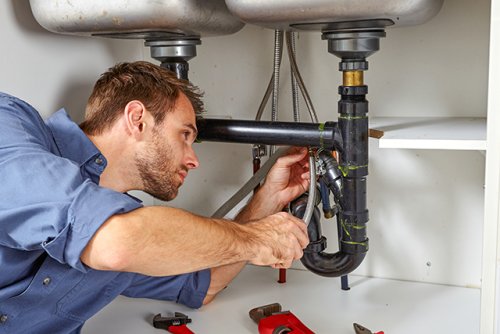
A plumber can inspect the faucet, supply lines, valves, and other accessible components.
Sudden Loss of Water Pressure
A sudden pressure drop should be investigated promptly, particularly when it affects multiple fixtures.
Possible causes include:
-
Water line damage
-
Plumbing leak
-
Valve problem
-
Pressure regulator failure
-
Sudden restriction
-
Water supply issue
If water is also appearing where it should not, shutting off the water supply and arranging professional service may help limit damage.
Gradual Loss of Water Pressure
A gradual decline may be related to:
-
Mineral buildup
-
Aging pipes
-
Developing restrictions
-
Failing plumbing components
-
Water treatment equipment
-
Corrosion
Because gradual problems can develop over time, homeowners may not notice the change until the pressure becomes significantly weaker.
Low Water Pressure and Plumbing Leaks
A leak can sometimes contribute to reduced water pressure.
Signs of a possible hidden leak include:
-
Unexpectedly high water usage
-
Damp areas
-
Water stains
-
Sounds of running water
-
Wet landscaping near water lines
-
Pressure changes
A professional can inspect accessible plumbing and perform appropriate leak diagnostics when needed.
Pressure Regulator Problems
Some homes use pressure-regulating equipment to control incoming water pressure.
A malfunctioning regulator may result in pressure that is too low, unstable, or otherwise inconsistent.
A professional can evaluate the regulator and determine whether adjustment, repair, or replacement is appropriate.
Water Softener and Low Pressure
Water treatment equipment can sometimes contribute to flow restrictions.
If low pressure began after installation of a water softener, filtration system, or other treatment equipment, the equipment and its connections should be inspected.
Possible issues include:
-
Clogged components
-
Valve problems
-
Incorrect installation
-
Internal restrictions
-
Equipment failure
The entire plumbing system should be considered before assuming the treatment equipment is responsible.
Water Filter and Low Pressure
A clogged water filter can restrict flow.
Point-of-use filters may affect only one fixture, while whole-house filtration equipment can affect multiple fixtures.
Filter replacement should follow manufacturer recommendations. If replacing the filter does not restore normal flow, additional inspection may be necessary.
Low Water Pressure and Older Pipes
Older plumbing systems may develop internal restrictions over time.
Corrosion, mineral accumulation, or deterioration can reduce the effective diameter of a pipe and restrict water flow.
If multiple fixtures throughout an older property have gradually experienced reduced pressure, a broader plumbing inspection may be appropriate.
Main Water Line Problems
The main water line supplies water to the property.
A damaged, restricted, or leaking main line can affect pressure throughout the home.
Potential warning signs include:
-
Low pressure at multiple fixtures
-
Wet areas near the water service line
-
Unexpected water usage
-
Pressure fluctuations
-
Poor flow despite properly functioning fixtures
Main water line problems may require specialized inspection and repair.
Low Water Pressure After Plumbing Repairs
Pressure changes can sometimes occur after plumbing work.
Possible reasons include:
-
Partially closed valves
-
Debris introduced during work
-
Changes in plumbing configuration
-
New filtration equipment
-
Fixture installation issues
If pressure changed immediately after a repair or installation, the recently serviced area should be inspected first.
Low Hot Water Pressure
If only hot water has low pressure while cold water remains normal, the problem may involve:
-
Water heater connections
-
Hot-water supply lines
-
Faucet cartridge
-
Valve
-
Sediment or restriction
A professional can compare hot and cold flow to help identify the affected section.
Low Cold Water Pressure
If cold water has low pressure but hot water is normal, the issue may involve the cold-water supply line, valve, faucet, or incoming plumbing.
The diagnosis depends on whether the problem affects one fixture or the entire home.
Low Water Pressure Repair Process
A professional diagnosis may include:
-
Discussing the pressure symptoms.
-
Identifying which fixtures are affected.
-
Measuring water pressure where appropriate.
-
Checking accessible shut-off valves.
-
Inspecting fixtures and supply lines.
-
Checking filtration or softening equipment.
-
Looking for visible leaks.
-
Evaluating pressure-regulating components.
-
Determining whether the main water line may be involved.
-
Recommending repair or replacement.
The exact process depends on the plumbing system.
Repair or Replacement?
Not every low-pressure problem requires major plumbing work.
A simple repair may be appropriate when:
-
A faucet component is clogged.
-
An aerator needs cleaning.
-
A valve is partially closed.
-
A supply line needs replacement.
-
A pressure regulator requires service.
Larger repairs may be necessary when:
-
Pipes are severely restricted.
-
A main water line is damaged.
-
Major plumbing components have failed.
-
The system has extensive corrosion.
A professional inspection can help determine the most practical option.
Signs You Need Professional Low Water Pressure Repair
Consider professional service if:
-
Multiple fixtures have low pressure.
-
Pressure suddenly drops.
-
Pressure fluctuates significantly.
-
A faucet remains weak after basic cleaning.
-
You notice water around plumbing.
-
Water usage increases unexpectedly.
-
A water treatment system appears restricted.
-
An older home's pressure continues to decline.
-
A main water line may be damaged.
Emergency Low Water Pressure Problems
Low pressure itself is not always an emergency. However, if the pressure change occurs alongside a major leak or damaged water line, prompt attention may be necessary.
If a serious leak is suspected:
-
Shut off the affected fixture.
-
If necessary, shut off the main water supply.
-
Keep electrical equipment away from water.
-
Protect household items from further moisture.
-
Contact a qualified plumber.
Low Water Pressure Maintenance
Homeowners can reduce avoidable problems by:
-
Checking visible valves.
-
Replacing filters when required.
-
Cleaning faucet aerators.
-
Inspecting visible supply lines.
-
Repairing leaks promptly.
-
Monitoring pressure changes.
-
Maintaining water treatment equipment.
-
Scheduling plumbing inspections when recurring problems occur.
Low Water Pressure Repair Cost Factors
Costs vary depending on the cause.
Factors can include:
-
Fixture repair
-
Replacement parts
-
Labor
-
Pipe accessibility
-
Pressure regulator condition
-
Water line repairs
-
Plumbing system age
-
Water treatment equipment
-
Emergency service
-
Required excavation or other access work
An inspection provides a more useful estimate than diagnosing the problem from symptoms alone.
Frequently Asked Questions
Why is my water pressure suddenly low?
A sudden pressure drop can result from a valve problem, leak, water line issue, pressure regulator problem, or another restriction. Multiple fixtures being affected may indicate a broader issue.
Why does only one faucet have low pressure?
A clogged aerator, faucet cartridge, supply line, or shut-off valve may be responsible when only one fixture is affected.
Can a water filter cause low pressure?
Yes. A clogged or restricted filter can reduce water flow, particularly when the filter has not been replaced according to manufacturer recommendations.
Can a water softener reduce water pressure?
A malfunctioning or restricted softener can contribute to reduced flow. The system should be inspected before assuming it is the cause.
Why is my shower pressure low?
A clogged showerhead, valve restriction, supply-line problem, or broader pressure issue may cause weak shower flow.
Does low pressure mean I have a leak?
Not necessarily. Low pressure has many possible causes, but a leak should be considered when pressure changes are accompanied by unexplained water usage or moisture.
Can old pipes cause low water pressure?
Yes. Internal corrosion or mineral buildup can restrict water flow in some older plumbing systems.
Should I replace my pressure regulator?
Replacement depends on the regulator's condition, performance, and the cause of the pressure problem. Professional testing can help determine whether replacement is necessary.
Conclusion
Reliable low water pressure repair in Gilbert, AZ begins with identifying where and why the pressure is being lost. A weak faucet may need only a simple fixture repair, while low pressure throughout the home could indicate a larger plumbing or water-line problem.
If you are experiencing persistent, sudden, or widespread pressure loss, professional inspection can help identify the cause and determine the appropriate repair. Timely attention can also help detect related plumbing problems before they become more complicated.