Bathroom Plumbing Services in Gilbert, AZ
The bathroom is one of the most frequently used areas of a home, and its plumbing system handles daily water supply, drainage, and waste removal. Toilets, sinks, faucets, showers, bathtubs, drains, shut-off valves, and water supply lines all need to work properly for a bathroom to remain functional.
When one component develops a problem, it can quickly affect your daily routine. A dripping faucet, clogged sink, running toilet, slow shower drain, low water pressure, or hidden leak may start as a small issue but can become more disruptive if ignored.
Professional bathroom plumbing services in Gilbert, AZ can help homeowners diagnose and repair these problems. A qualified plumber can inspect the affected fixture, identify the source of the issue, and determine whether repair, replacement, or additional plumbing work is required.
Complete Bathroom Plumbing Services in Gilbert, AZ
Bathroom plumbing includes several interconnected fixtures and plumbing lines. Professional services may include:
-
Bathroom sink repair
-
Bathroom faucet repair and replacement
-
Toilet repair
-
Toilet installation and replacement
-
Shower plumbing repair
-
Bathtub plumbing repair
-
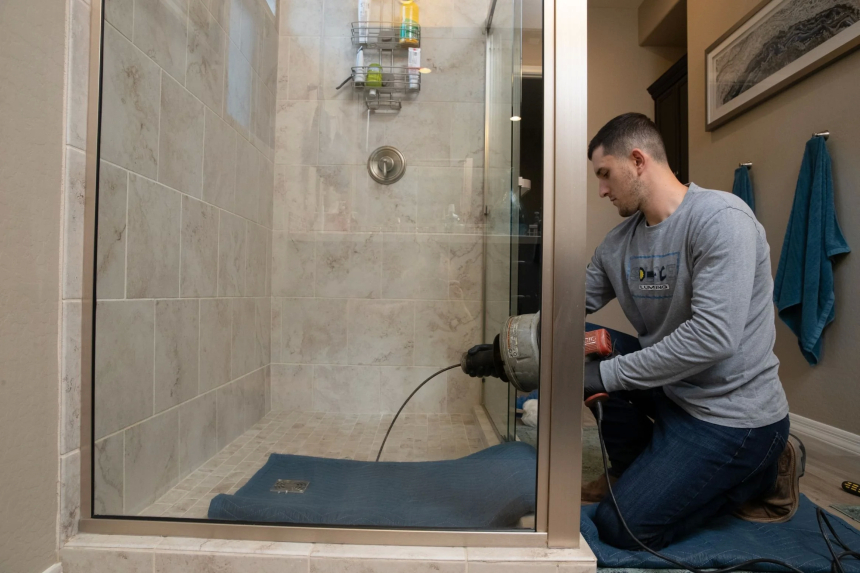
Shower drain cleaning
-
Bathroom drain cleaning
-
Clogged bathroom drain repair
-
Water leak detection
-
Water leak repair
-
Low water pressure diagnosis
-
Shut-off valve repair
-
Water supply line repair
-
Drain pipe repair
-
Bathroom fixture installation
-
Emergency bathroom plumbing
-
Bathroom plumbing inspection
The appropriate service depends on the type and location of the problem.
Common Bathroom Plumbing Problems
Bathroom plumbing problems can develop for many reasons. Some are caused by normal wear and tear, while others result from blockages, damaged components, improper installation, or aging plumbing.
Common problems include:
-
Clogged toilets
-
Running toilets
-
Leaking toilets
-
Slow bathroom sinks
-
Dripping faucets
-
Leaking showerheads
-
Clogged shower drains
-
Bathtub drainage problems
-
Low water pressure
-
Leaking supply lines
-
Damaged shut-off valves
-
Hidden water leaks
-
Sewer odors
-
Noisy plumbing
-
Water pooling around fixtures
Prompt inspection can help prevent a minor plumbing problem from becoming a larger repair.
Bathroom Sink Repair in Gilbert, AZ
Bathroom sinks are used many times every day. Over time, faucets, drain assemblies, supply lines, and seals can develop problems.
Common bathroom sink issues include:
-
Slow drainage
-
Complete drain blockage
-
Leaking faucet
-
Leaking drain connection
-
Loose faucet
-
Damaged shut-off valve
-
Water pooling underneath the sink
-
Cracked or damaged plumbing components
A plumber can inspect both the visible fixture and the plumbing connections underneath the sink.
If the sink itself is in good condition, a targeted plumbing repair may be sufficient. If the fixture or connected components are significantly damaged, replacement may be recommended.
Bathroom Faucet Repair and Replacement
A leaking bathroom faucet can waste water and create constant moisture around the sink.
Possible causes include:
-
Worn cartridge
-
Damaged O-rings
-
Loose connections
-
Worn washers
-
Corrosion
-
Damaged handles
-
Faulty internal components
Depending on the faucet design and condition, the plumber may replace a worn component or recommend a new fixture.
When replacing a faucet, it is also useful to inspect the supply lines and shut-off valves. Installing a new fixture while leaving an old leaking valve underneath the sink can create another plumbing problem later.
Toilet Repair in Gilbert, AZ
Toilets are among the most important plumbing fixtures in a bathroom. A malfunctioning toilet can cause water waste, repeated clogs, leaks, or drainage problems.
Common toilet problems include:
-
Running continuously
-
Weak flushing
-
Frequent clogging
-
Water leaking around the base
-
Tank leaks
-
Faulty fill valve
-
Faulty flush valve
-
Loose toilet
-
Cracked components
-
Toilet not flushing correctly
The correct repair depends on the source of the problem.
A plumber may inspect the internal tank components, water supply connection, toilet base, wax seal area, and drain connection.
Running Toilet Repair
A toilet that continues to run after flushing may waste a significant amount of water over time.
Potential causes include:
-
Faulty flapper
-
Incorrect water level
-
Worn fill valve
-
Damaged flush valve
-
Chain problems
-
Internal tank issues
Replacing a small internal component may resolve the issue in many cases. However, if the toilet is old or damaged, complete replacement may be considered.
Clogged Toilet Repair
A clogged toilet should be handled carefully. Repeated flushing can cause the bowl to overflow and potentially create water damage.
Signs of a toilet blockage include:
-
Water rising unusually high
-
Slow draining
-
Weak flushing
-
Gurgling sounds
-
Repeated clogging
If basic plunging does not resolve the problem, professional inspection may be necessary. A recurring toilet clog can sometimes indicate a deeper drain or sewer issue.
Toilet Leak Repair
A toilet leak may come from the tank, supply connection, flush valve, or base.
Signs of a toilet leak include:
-
Water around the toilet
-
Moist flooring
-
Stains around the base
-
Constant tank refilling
-
Unexplained water usage
-
Dampness near the supply line
A plumber can identify the source and determine whether a seal, valve, supply line, or another component needs repair.
Shower Plumbing Services
Showers contain several plumbing components that must work together correctly.
Bathroom shower plumbing services may include:
-
Shower valve repair
-
Showerhead replacement
-
Shower faucet repair
-
Low water pressure diagnosis
-
Temperature control problems
-
Leaking shower fixtures
-
Shower drain cleaning
-
Shower supply line inspection
-
Shower plumbing installation
A shower problem may originate from the fixture itself or from the plumbing behind the wall.
Showerhead Repair and Replacement
A showerhead can develop mineral buildup, leaks, or restricted flow.
Common signs include:
-
Uneven spray
-
Reduced water flow
-
Water spraying from the connection
-
Mineral deposits
-
Persistent dripping
Cleaning or replacing the showerhead may resolve a fixture-level problem. If the issue continues after replacement, the underlying supply line or valve may need inspection.
Shower Valve Problems
The shower valve controls water flow and temperature. Problems with the valve can make it difficult to maintain a comfortable water temperature or stop the water completely.
Possible symptoms include:
-
Water continues dripping after shut-off
-
Difficulty controlling temperature
-
Sudden temperature changes
-
Handle problems
-
Reduced water flow
Valve repairs can sometimes involve replacing internal cartridges or other components. More extensive problems may require additional plumbing work.
Bathtub Plumbing Repair
Bathtubs rely on supply lines, faucets, valves, drains, and overflow components.
Common bathtub plumbing problems include:
-
Slow bathtub drain
-
Completely clogged drain
-
Leaking faucet
-
Dripping tub spout
-
Faulty overflow
-
Damaged drain assembly
-
Low water pressure
-
Leaks around plumbing connections
A plumber can inspect the accessible components and determine whether repair or replacement is required.
Bathroom Drain Cleaning
Bathroom drains can collect hair, soap residue, mineral deposits, and other debris.
Common signs of a clogged bathroom drain include:
-
Water draining slowly
-
Standing water
-
Bad odors
-
Gurgling
-
Repeated blockages
-
Water backing up
Professional drain cleaning can help address deeper buildup when simple cleaning is not enough.
Homeowners should avoid forcing objects down the drain because they may make the blockage worse or damage plumbing components.
Shower Drain Cleaning
Shower drains are particularly susceptible to hair buildup. Soap residue and other materials can combine with hair and create a stubborn blockage.
If water begins pooling around your feet while showering, the drain may need attention.
Professional cleaning can help restore proper drainage and determine whether the problem is isolated to the shower or connected to a larger drain issue.
Bathroom Water Leak Detection
Some bathroom leaks are obvious, while others remain hidden behind walls, floors, or cabinets.
Potential signs of a hidden bathroom leak include:
-
Damp walls
-
Water stains
-
Swollen flooring
-
Musty odors
-
Peeling paint
-
Unexplained moisture
-
Increased water consumption
-
Mold-like odors
-
Water appearing around fixtures
A plumber can inspect visible plumbing and use suitable diagnostic methods when the source of the leak is difficult to locate.
Bathroom Supply Line Repair
Supply lines deliver water to toilets, faucets, showers, and other fixtures.
A damaged supply line can cause an active leak and should be addressed promptly.
Common supply-line problems include:
-
Loose connection
-
Corrosion
-
Cracked line
-
Damaged fitting
-
Failed shut-off valve
When replacing a supply line, the plumber can also inspect the connected valve and fixture.
Bathroom Shut-Off Valve Repair
Shut-off valves allow homeowners and plumbers to stop water flow to individual fixtures.
Bathroom valves may serve:
-
Toilets
-
Bathroom sinks
-
Other water fixtures
A valve that is difficult to turn, leaking, or unable to completely stop the water can make future repairs more difficult.
Replacing a faulty valve can improve the reliability of the fixture's water supply.
Low Water Pressure in the Bathroom
Low water pressure may affect one fixture or the entire bathroom.
Possible causes include:
-
Clogged aerator
-
Mineral buildup
-
Partially closed valve
-
Restricted supply line
-
Plumbing blockage
-
Pressure-related problems
-
Issues with the home's broader plumbing system
The first step is determining whether the low pressure affects one fixture or multiple fixtures. This can help narrow down the possible cause.
Bathroom Plumbing for Remodeling
Bathroom remodeling often requires plumbing changes. Moving a sink, toilet, shower, or bathtub can require modifications to both supply and drainage lines.
Plumbing work during a remodel may include:
-
New sink installation
-
Toilet relocation
-
Shower installation
-
Bathtub replacement
-
Faucet installation
-
Drain modifications
-
Water supply line changes
-
Shut-off valve upgrades
-
New fixture connections
Planning plumbing requirements before construction can reduce unexpected complications.
Bathroom Fixture Installation
Professional bathroom fixture installation may include:
-
Toilets
-
Faucets
-
Sinks
-
Shower fixtures
-
Bathtubs
-
Showerheads
-
Shut-off valves
-
Water supply lines
Correct installation helps reduce the risk of leaks, poor drainage, loose fixtures, and premature component failure.
Bathroom Plumbing for Older Homes
Older homes may have aging plumbing components that require additional attention.
A professional inspection may identify:
-
Corroded pipes
-
Old shut-off valves
-
Aging supply lines
-
Outdated fixtures
-
Repeated drain problems
-
Leaking connections
-
Deteriorated seals
When repairing an older bathroom, it can be useful to evaluate the surrounding plumbing rather than replacing only the visible fixture.
Emergency Bathroom Plumbing
Some bathroom plumbing problems require immediate attention.
Examples include:
-
Burst supply line
-
Major toilet leak
-
Significant water leak
-
Severe drain backup
-
Water overflowing from a fixture
-
Rapidly spreading water damage
During an active leak, homeowners should shut off the fixture's water supply if possible. If the leak cannot be isolated, shutting off the main water supply may be necessary.
Electrical equipment should not be used around standing water.
Bathroom Plumbing Inspection
A plumbing inspection can be useful when:
-
Buying a home
-
Selling a property
-
Remodeling a bathroom
-
Experiencing recurring plumbing problems
-
Maintaining an older home
-
Investigating unexplained water usage
An inspection may include checking:
-
Toilets
-
Faucets
-
Sinks
-
Shower fixtures
-
Bathtub plumbing
-
Supply lines
-
Shut-off valves
-
Drain performance
-
Visible leaks
-
Water pressure
Bathroom Plumbing Maintenance Tips
Regular maintenance can help reduce avoidable plumbing issues.
Homeowners can:
-
Avoid flushing unsuitable materials.
-
Use drain strainers where appropriate.
-
Clean hair from shower drains.
-
Repair dripping faucets promptly.
-
Check underneath sinks for moisture.
-
Inspect toilet supply connections.
-
Avoid using excessive chemical drain cleaners.
-
Monitor water pressure.
-
Check for recurring clogs.
-
Know the location of bathroom shut-off valves.
Early attention to small problems can reduce the possibility of more extensive repairs.
Repair or Replace Bathroom Fixtures?
The decision depends on the age and condition of the fixture.
Repair may make sense when:
-
Damage is limited.
-
Replacement parts are available.
-
The fixture is otherwise in good condition.
-
The repair is reasonably economical.
Replacement may be better when:
-
The fixture is heavily damaged.
-
Corrosion is extensive.
-
Problems happen repeatedly.
-
Parts are unavailable.
-
The fixture is significantly outdated.
-
Repair would only provide a temporary solution.
A professional plumber can explain the available options.
Bathroom Plumbing Service Cost Factors
The cost of bathroom plumbing work varies depending on the specific project.
Factors can include:
-
Type of plumbing problem
-
Fixture type
-
Replacement parts
-
Labor requirements
-
Accessibility
-
Existing plumbing condition
-
Drain blockage severity
-
Water damage
-
Installation complexity
-
Emergency service requirements
A professional inspection and estimate can provide a more accurate understanding of the expected work.
Why Professional Bathroom Plumbing Services Matter
Bathroom plumbing systems involve water supply and drainage components that must work together. A visible symptom does not always reveal the actual source of a problem.
For example, a slow shower drain may be caused by a local blockage, while recurring drainage problems may indicate a larger issue. Similarly, a leaking faucet may involve a worn internal cartridge, but a leak underneath the sink could involve the supply line or shut-off valve.
Professional inspection helps identify the underlying problem before selecting a repair.
Frequently Asked Questions
What bathroom plumbing services are available in Gilbert, AZ?
Bathroom plumbing services can include toilet repair, sink repair, faucet replacement, shower and bathtub plumbing, drain cleaning, leak detection, water supply line repair, fixture installation, and emergency plumbing.
Why is my bathroom sink draining slowly?
Hair, soap residue, mineral buildup, and other debris can restrict the drain. Recurring or severe blockages may require professional drain cleaning.
Why does my toilet keep running?
A faulty flapper, fill valve, flush valve, chain, or water-level setting can cause a toilet to continue running.
Can a plumber repair a leaking shower?
Yes. Depending on the source, the plumber may repair the showerhead, valve, cartridge, connection, or another plumbing component.
Why is my shower drain clogged?
Hair and soap residue are common causes. If the blockage is deeper or keeps returning, professional drain cleaning may be necessary.
Why is my bathroom faucet leaking?
Worn cartridges, washers, seals, O-rings, or loose connections can cause faucet leaks.
How do I know if I have a hidden bathroom leak?
Damp walls, stains, musty odors, swollen flooring, unexplained moisture, or unusual water usage may indicate a hidden leak.
Should I repair or replace an old toilet?
The decision depends on the toilet's age, condition, repair requirements, water performance, and availability of replacement components.
Can low bathroom water pressure be repaired?
Often, yes. The solution depends on the cause. The plumber may inspect the aerator, valves, supply lines, and broader water-pressure conditions.
How often should bathroom plumbing be inspected?
There is no single schedule for every home. Older plumbing, recurring problems, remodeling, or signs of leaks may justify a professional inspection.
Conclusion
Professional bathroom plumbing services in Gilbert, AZ can help homeowners maintain reliable toilets, sinks, showers, bathtubs, faucets, drains, and water supply connections.
Whether you need a simple faucet repair, toilet service, drain cleaning, shower plumbing repair, fixture replacement, leak detection, or assistance with a bathroom remodeling project, identifying the actual plumbing problem is an important first step.
If your bathroom has a recurring clog, leaking fixture, low water pressure, slow drain, running toilet, or another plumbing issue, contact a qualified local plumber for an inspection and appropriate repair recommendation.