Water Leak Repair in Gilbert, AZ
A plumbing leak can begin as a small amount of water around a pipe, fixture, appliance, or connection, but even a minor leak can eventually cause significant problems. Water can damage cabinets, flooring, drywall, ceilings, insulation, furniture, and other parts of a property. Hidden leaks can be particularly difficult because the source may not be visible when the first signs appear.
Professional water leak repair in Gilbert, AZ can help identify the source of the leak, stop ongoing water loss, repair damaged plumbing components, and reduce the risk of further property damage.
Water leaks can occur in kitchens, bathrooms, laundry rooms, garages, exterior plumbing, water supply lines, water heaters, irrigation connections, and underground plumbing. Some leaks are easy to locate, while others require specialized diagnostic equipment.
A proper repair begins with identifying where the water is coming from and determining why the leak developed. Simply drying the visible water without repairing the plumbing problem does not solve the underlying issue.
Signs You May Have a Water Leak
Not every plumbing leak produces an obvious puddle. Some leaks remain hidden behind walls, underneath flooring, inside cabinets, or below the foundation.
Common warning signs include:
- Visible water around pipes
- Wet spots on floors
- Damp cabinets
- Water stains on ceilings
- Peeling paint
- Bubbling drywall
- Musty odors
- Mold or mildew growth
- Unexplained increase in water usage
- Low water pressure
- Sounds of running water
- Warm or damp areas on flooring
- Cracked or damaged flooring
- Water pooling outside the home
- Repeatedly wet areas
- Water heater leakage
- Dripping faucets or fixtures
- Moisture around toilets
- Wet areas near washing machines
If these signs appear without an obvious explanation, professional leak inspection may be appropriate.
Common Causes of Water Leaks
Plumbing leaks can develop for many reasons. The cause can affect both the repair method and the likelihood of future problems.
Corroded Pipes
Older or deteriorated pipes can develop weak areas that eventually begin leaking.
Corrosion may occur gradually. At first, there may be a small amount of moisture, but the damaged section can deteriorate further.
Loose Connections
Pipe joints and plumbing connections can loosen over time due to movement, temperature changes, vibration, or general wear.
A leaking connection may sometimes be repaired without replacing an entire pipe.
Damaged Pipe Sections
A pipe can become cracked, punctured, or otherwise damaged. The appropriate repair depends on the pipe material, location, accessibility, and severity of the damage.
High Water Pressure
Excessively high water pressure can put additional stress on plumbing components and connections.
If repeated leaks occur, checking the home's water pressure may be worthwhile.
Aging Plumbing
Older plumbing systems may experience more frequent leaks because pipes, fittings, valves, and connections naturally deteriorate over time.
Temperature Changes
Changes in temperature can cause plumbing materials to expand and contract. Repeated movement can contribute to stress at certain connections or components.
Appliance Connections
Washing machines, dishwashers, refrigerators with water lines, and other plumbing-connected appliances can develop leaks at supply hoses or connections.
Fixture Problems
Toilets, faucets, showers, and sinks can leak because of worn seals, valves, cartridges, supply lines, or connections.
Visible Water Leak Repair in Gilbert
Visible leaks are generally easier to identify because the water source can often be seen.
Examples include:
- Leaking faucet supply line
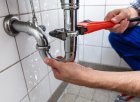
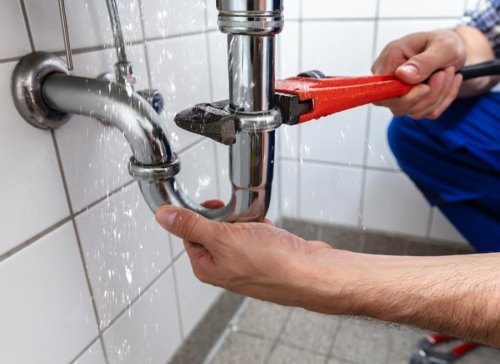
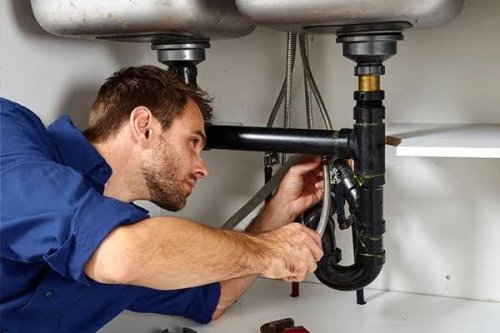
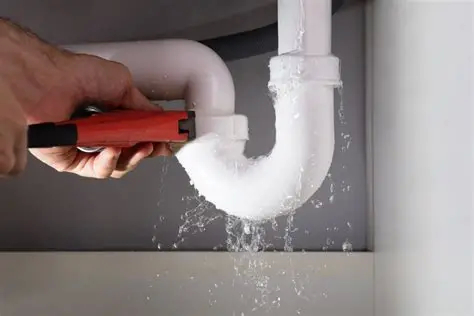
- Pipe dripping under a sink
- Toilet supply line leak
- Washing machine hose leak
- Water heater connection leak
- Exposed pipe leak
- Outdoor hose bib leak
Even visible leaks should be properly diagnosed. Water can travel along pipes, walls, cabinets, and flooring, meaning the location where water appears may not always be the exact location where the leak began.
Hidden Water Leak Repair
Hidden leaks can be more complicated.
A hidden leak may occur:
- Behind drywall
- Under flooring
- Inside cabinets
- Beneath concrete
- Inside walls
- Underground
- Around plumbing fixtures
- Near the foundation
Signs of a hidden leak can include unexplained water usage, damp spots, musty odors, discoloration, or sounds of running water when no fixture is being used.
Professional leak detection can help locate the source before unnecessary walls or flooring are opened.
Water Leak Detection Before Repair
Accurate diagnosis is an important part of professional leak repair.
Depending on the suspected location, a technician may inspect:
- Exposed plumbing
- Fixtures
- Shut-off valves
- Water heater connections
- Supply lines
- Pressure conditions
- Accessible walls
- Flooring
- Underground plumbing
- Foundation areas
Specialized leak detection methods may also be considered for difficult-to-find leaks.
Finding the source first can reduce unnecessary demolition and help ensure that the correct section of plumbing is repaired.
Emergency Water Leak Repair in Gilbert, AZ
Some leaks require immediate attention.
A plumbing leak may become an emergency when:
- Water is flowing continuously
- A pipe has burst
- Water is spreading across flooring
- A ceiling is becoming saturated
- A wall is visibly wet
- A major supply line is leaking
- Water is entering electrical areas
- A water heater is leaking heavily
- The source cannot be controlled
When a serious leak occurs, shutting off the appropriate water supply can help reduce additional water damage while professional assistance is arranged.
Homeowners should never take unnecessary risks around standing water and electrical equipment.
Burst Pipe Repair
A burst pipe can release a large volume of water in a short period.
Possible signs include:
- Sudden loss of water pressure
- Rapid flooding
- Water appearing through walls or ceilings
- Unusual sounds inside walls
- Wet flooring
- Water pooling around exposed plumbing
A burst pipe should be treated as an urgent plumbing problem.
The repair may involve isolating the damaged section, removing the failed portion, installing appropriate replacement material, and testing the system.
If the plumbing system has widespread deterioration, additional inspection may be recommended.
Slab and Foundation-Related Water Leaks
A leak beneath a concrete slab can be difficult to locate and repair.
Possible warning signs include:
- Warm spots on floors
- Unexpected water usage
- Damp flooring
- Cracks or moisture
- Sounds of running water
- Reduced water pressure
- Persistent moisture near the foundation
Slab leak problems require careful diagnosis because the plumbing may be located beneath concrete.
The repair strategy depends on the location, pipe condition, accessibility, and overall plumbing system.
Kitchen Water Leak Repair
Kitchen plumbing contains several potential leak points.
Common sources include:
- Kitchen faucets
- Sink drains
- Supply lines
- Shut-off valves
- Garbage disposals
- Dishwasher connections
- Refrigerator water lines
- Pipes inside cabinets
A small leak beneath a kitchen sink can cause cabinet damage if ignored.
Regularly checking the cabinet area underneath the sink can help homeowners notice moisture before the problem becomes extensive.
Bathroom Water Leak Repair
Bathrooms contain multiple water supply and drainage components.
Potential leak sources include:
- Toilets
- Faucets
- Shower valves
- Tub connections
- Supply lines
- Sink connections
- Drain pipes
- Shower plumbing
- Toilet shut-off valves
Water leaking behind a wall or underneath a bathroom floor can remain hidden for an extended period.
Unexplained dampness, discoloration, or musty odors should be investigated.
Toilet Leak Repair
Toilet leaks can occur at several points.
Common problems include:
- Tank component leaks
- Supply line leaks
- Shut-off valve problems
- Base seal issues
- Internal running water
- Connection leaks
A toilet that continuously runs can waste water even when there is no visible external leak.
Professional inspection can determine whether the problem involves the fill valve, flapper, supply connection, base seal, or another component.
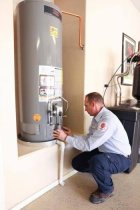
Water Heater Leak Repair
A water heater can develop leaks around its connections, valves, drain components, or tank.
Water around a water heater should be inspected promptly.
The repair depends on the source of the leak. A faulty connection or valve may be replaceable, while a severely damaged storage tank may require water heater replacement.
Outdoor Water Leak Repair
Outdoor plumbing can also develop leaks.
Possible sources include:
- Hose bibs
- Outdoor faucets
- Underground water lines
- Irrigation connections
- Exterior supply pipes
An unexplained wet area in the yard may indicate a plumbing or irrigation problem.
If an outdoor area remains unusually wet despite dry weather and normal irrigation, professional inspection may help determine the source.
Water Leak Repair Process
Professional water leak repair generally involves several stages.
1. Discuss the Symptoms
The technician gathers information about when the problem started and what signs have been noticed.
2. Inspect the Plumbing
Visible plumbing, fixtures, connections, valves, and accessible areas are examined.
3. Locate the Leak
If the source is hidden, additional diagnostic methods may be used.
4. Determine the Cause
The technician evaluates whether the leak is related to corrosion, damaged pipes, a failed fitting, excessive pressure, fixture failure, or another issue.
5. Recommend a Repair
The appropriate repair method depends on the condition and location of the plumbing.
6. Complete the Repair
The damaged component or pipe section is repaired or replaced as appropriate.
7. Test the System
The plumbing is tested to verify that the leak has been addressed.
Water Leak Repair Methods
The repair method depends on the type of plumbing problem.
Possible solutions include:
- Tightening connections
- Replacing fittings
- Replacing valves
- Repairing supply lines
- Replacing damaged pipe sections
- Repairing fixture components
- Replacing deteriorated pipes
- Addressing water pressure problems
- Repairing underground plumbing
- Replacing severely damaged plumbing sections
For larger plumbing systems, replacing isolated sections may not always be the best long-term solution. If multiple pipes are deteriorating, a broader repair strategy may be recommended.
Pipe Repair vs. Pipe Replacement
Not every damaged pipe needs to be completely replaced.
A repair may be suitable when:
- The damage is isolated
- The surrounding pipe is in good condition
- The pipe material remains reliable
- The affected section is accessible
Replacement may be more appropriate when:
- The pipe is severely corroded
- Multiple leaks are occurring
- The plumbing system is aging
- The damaged section is part of a larger deteriorating system
- Repairs have become frequent
- The existing material is no longer reliable
A professional inspection can help determine the most practical approach.
How Much Does Water Leak Repair Cost in Gilbert, AZ?
The cost of water leak repair in Gilbert, AZ depends on several factors.
Important cost factors include:
- Location of the leak
- Type of pipe
- Severity of damage
- Accessibility
- Labor required
- Replacement parts
- Whether walls or flooring must be opened
- Whether excavation is required
- Emergency service timing
- Extent of water damage
- Number of damaged components
A simple exposed pipe repair may be much less involved than a hidden leak beneath a floor or foundation.
For this reason, an inspection is usually necessary before an accurate repair estimate can be provided.
Preventing Water Leaks
Although some plumbing failures are unavoidable, regular attention can help identify problems early.
Monitor Water Usage
Unexpected increases in water consumption can sometimes indicate a hidden leak.
Check Cabinets
Inspect areas under kitchen and bathroom sinks periodically.
Inspect Exposed Pipes
Look for corrosion, moisture, staining, or damaged fittings.
Watch for Ceiling Stains
A new ceiling stain may indicate a plumbing leak above it.
Check Water Pressure
Abnormally high pressure can contribute to plumbing stress.
Maintain Fixtures
Worn faucet cartridges, toilet components, valves, and supply lines should be repaired when needed.
Respond Quickly
Small leaks should not be ignored. Early repair can reduce the risk of more extensive damage.
Frequently Asked Questions
What should I do if I discover a water leak?
If possible and safe, shut off the appropriate water supply and arrange professional plumbing service. For major leaks, act quickly to limit water damage.
Can a small water leak cause serious damage?
Yes. Even a small continuous leak can damage cabinets, flooring, drywall, insulation, and other materials over time.
How do plumbers find hidden water leaks?
Depending on the situation, technicians can inspect accessible plumbing and use specialized leak detection methods to identify difficult-to-find leaks.
How do I know if I have a hidden water leak?
Possible signs include unexplained water usage, damp areas, musty odors, water stains, low pressure, or sounds of running water when all fixtures are turned off.
Can a leaking pipe be repaired instead of replaced?
Sometimes. An isolated leak in an otherwise healthy pipe may be repairable. Severely deteriorated or repeatedly failing plumbing may require replacement.
Is a water heater leak an emergency?
A small connection leak may require prompt service, while a major tank leak or rapidly increasing water flow can become an emergency. Serious leaks should be addressed quickly.
Why is my water bill suddenly higher?
An unexplained increase can be caused by a running toilet, leaking faucet, damaged supply line, underground leak, or another plumbing problem.
Can high water pressure cause leaks?
Excessively high water pressure can place additional stress on plumbing components and connections and may contribute to leaks.
How long does water leak repair take?
The time varies depending on the location and severity of the leak. Accessible fixture leaks can often be addressed more quickly than hidden or underground plumbing problems.
Should I repair a leak immediately?
Yes. Prompt attention can help reduce water waste and minimize the chance of additional property damage.
Reliable Water Leak Repair in Gilbert, AZ
A water leak should never be treated as a problem that will automatically disappear. Whether the leak is visible under a sink or hidden behind a wall, professional diagnosis can help identify the actual source and determine the appropriate repair.
From fixture leaks and damaged supply lines to hidden pipe problems and major plumbing failures, water leak repair in Gilbert, AZ can help protect your home and plumbing system.
If you notice dampness, unexplained water usage, low water pressure, water stains, dripping pipes, or any other indication of a plumbing leak, arrange an inspection as soon as possible. Early action can help prevent a small plumbing problem from developing into a much larger repair.