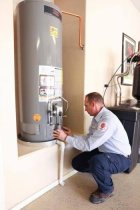
Water Heater Repair in Gilbert, AZ
Reliable hot water is an important part of everyday life. From taking showers and washing dishes to doing laundry and cleaning your home, a water heater works behind the scenes to provide the hot water your household needs. When the system stops working correctly, even a small problem can quickly become inconvenient.
If you are experiencing cold water, inconsistent temperatures, strange noises, leaking around the tank, a pilot light that will not stay lit, or water that takes too long to heat, professional water heater repair in Gilbert, AZ can help identify the problem and restore dependable hot water.
A water heater can develop different problems depending on its age, type, installation, usage, water quality, and maintenance history. Traditional tank-style water heaters, electric units, gas water heaters, and newer systems all have different components that may require inspection or repair.
Professional diagnosis is important because several different problems can produce similar symptoms. For example, no hot water could be caused by a failed heating element in an electric unit, a burner or gas supply issue in a gas water heater, a thermostat problem, or another internal component.
Professional Water Heater Repair in Gilbert
A water heater should not be ignored when it begins showing signs of trouble. Some problems start as minor performance issues but can eventually lead to leaks, property damage, higher energy consumption, or complete system failure.
A professional water heater technician can inspect the system, identify the source of the problem, explain the available repair options, and determine whether repair or replacement makes more sense.
Common water heater services include:
-
Water heater diagnosis
-
No-hot-water troubleshooting
-
Insufficient hot water repair
-
Heating element replacement
-
Thermostat repair or replacement
-
Gas burner troubleshooting
-
Pilot light issues
-
Ignition system repair
-
Temperature and pressure relief valve service
-
Water heater leak diagnosis
-
Sediment-related problems
-
Anode rod inspection and replacement
-
Electrical connection inspection
-
Gas connection inspection
-
Drain valve repair or replacement
-
Tank component repair
-
Water temperature problems
-
Strange noise diagnosis
-
Water heater maintenance
-
Emergency water heater service
The correct repair depends on the type of water heater and the specific component causing the problem.
Common Signs You Need Water Heater Repair
Water heaters often provide warning signs before they fail completely. Recognizing these symptoms early can help prevent a minor problem from becoming a major repair.
1. No Hot Water
One of the clearest signs of a water heater problem is having no hot water at all.
For an electric water heater, possible causes can include:
-
Failed heating element
-
Faulty thermostat
-
Electrical problem
-
Tripped breaker
-
Wiring issue
-
Internal component failure
For a gas water heater, possible causes may include:
-
Pilot light problems
-
Burner problems
-
Gas supply issues
-
Ignition failure
-
Thermocouple-related problems
-
Control component failure
Because the causes can differ significantly, professional diagnosis is recommended.
2. Not Enough Hot Water
If the water heater produces hot water but runs out much faster than normal, there may be an underlying issue.
Possible causes include:
-
Sediment accumulation
-
Damaged heating element
-
Thermostat problem
-
Incorrect temperature setting
-
Undersized water heater
-
Dip tube problems
-
Excessive hot water demand
-
Internal tank issues
A technician can determine whether the issue is repairable or whether the system is no longer suitable for the household's needs.
3. Water Takes Too Long to Heat
If you have to wait unusually long for hot water, the water heater may not be operating efficiently.
A damaged heating component, sediment buildup, thermostat problem, burner issue, or other mechanical fault could be responsible.
Prompt inspection can help prevent the problem from worsening.
4. Water Heater Is Leaking
Water around a water heater should never be ignored.
A leak may come from:
-
Pipe connections
-
Inlet or outlet connections
-
Drain valve
-
Temperature and pressure relief valve
-
Fittings
-
Tank corrosion
-
Internal tank failure
A leaking connection or valve may sometimes be repairable. However, if the storage tank itself has developed a serious leak because of corrosion or deterioration, replacement may be necessary.
5. Strange Noises
A water heater that suddenly begins making popping, rumbling, banging, or cracking sounds may have sediment accumulation inside the tank.
When sediment collects at the bottom of a tank, heating can become less efficient. In some systems, trapped water beneath sediment can create popping or cracking sounds as it heats.
Other noises can have different causes, so professional diagnosis is useful.
6. Water Is Too Hot
Water that becomes excessively hot may indicate a thermostat or temperature-control problem.
Excessively hot water can create a scalding risk, especially for children and older adults. If the water temperature suddenly changes or becomes unusually hot, the system should be inspected.
7. Rust-Colored or Discolored Hot Water
Discolored water can sometimes indicate corrosion inside the water heater or problems with the anode rod.
If rusty-looking water appears primarily from hot-water fixtures, the water heater may need inspection.
8. Pilot Light Keeps Going Out
For gas water heaters, a pilot light that repeatedly goes out may indicate an ignition, thermocouple, gas supply, ventilation, or control issue.
Repeatedly relighting the pilot without addressing the underlying problem may not solve the issue.
Electric Water Heater Repair in Gilbert, AZ
Electric water heaters use electrical heating elements to heat water inside the storage tank.
Common electric water heater problems include:
-
Failed upper heating element
-
Failed lower heating element
-
Faulty thermostat
-
Electrical connection problems
-
Tripped circuit breaker
-
Wiring problems
-
Sediment accumulation
-
Temperature control problems
-
Leaking components
A professional inspection can determine which component has failed.
Electrical water heater repairs should be performed carefully because the system contains both water and high-voltage electrical components. Attempting electrical repairs without appropriate knowledge can create serious safety hazards.
Gas Water Heater Repair in Gilbert, AZ
Gas water heaters use a burner to heat the water stored inside the tank.
Common gas water heater problems can include:
-
Pilot light failure
-
Burner problems
-
Ignition issues
-
Thermocouple problems
-
Gas supply problems
-
Control valve issues
-
Venting concerns
-
Sediment buildup
-
Temperature control problems
Gas appliances require particular attention to safety. If you smell gas, do not attempt to troubleshoot the appliance yourself. Leave the area if necessary and contact the appropriate emergency or gas service provider according to local safety guidance.
A qualified technician can inspect the system and determine whether the issue involves the burner, ignition system, gas supply, controls, or another component.
Water Heater Leak Repair
A leaking water heater should be inspected as soon as possible.
The location of the leak can provide an initial clue, but it does not always identify the actual cause.
For example, water near the bottom of a tank could come from a drain valve, connection, condensation, or a damaged tank. A technician can trace the source before recommending a repair.
Possible repairs include:
-
Tightening or replacing connections
-
Replacing faulty valves
-
Repairing drain components
-
Replacing damaged fittings
-
Servicing pressure relief components
-
Addressing pipe connection problems
If the tank itself has failed, repairing the exterior of the tank is generally not a long-term solution. In that situation, water heater replacement may be the more appropriate option.
Water Heater Repair for Sediment Buildup
Sediment can accumulate inside traditional tank water heaters over time.
Minerals and other deposits can settle at the bottom of the tank. This may reduce heating efficiency and contribute to unusual sounds.
Depending on the condition of the system, professional maintenance may include flushing the tank and checking important components.
Regular maintenance can help extend the useful life of a water heater and maintain more consistent performance.
Thermostat Repair and Replacement
A thermostat controls the temperature of the water.
When a thermostat becomes faulty, the water may be:
-
Too cold
-
Too hot
-
Inconsistent
-
Slow to heat
An electric water heater may have more than one thermostat depending on its design.
A technician can test the components and determine whether adjustment, repair, or replacement is appropriate.
Heating Element Repair
Electric water heaters commonly rely on heating elements to warm the water.
When one or more elements fail, homeowners may experience:
-
No hot water
-
Limited hot water
-
Slow heating
-
Inconsistent water temperature
A professional can test the heating elements and replace failed components when the tank itself remains in suitable condition.
Water Heater Repair vs. Replacement
Not every water heater problem requires a new unit.
Repair may be appropriate when:
-
The problem involves a replaceable component
-
The tank is in good condition
-
The unit is relatively reliable
-
Repair costs are reasonable
-
The system has not experienced repeated major failures
Replacement may make more sense when:
-
The tank is leaking
-
The unit is severely corroded
-
Major components are repeatedly failing
-
The water heater is near the end of its useful service life
-
Repair costs are approaching the cost of a new system
-
The existing system no longer meets household demand
-
Energy efficiency is a major concern
A professional technician can explain both options so the homeowner can make an informed decision.
How Professional Water Heater Repair Works
A typical service visit may include several steps.
Step 1: Initial Inspection
The technician asks about the symptoms and checks the water heater, surrounding area, connections, controls, and visible components.
Step 2: Problem Diagnosis
The system is tested to identify the actual cause of the problem rather than simply treating the most obvious symptom.
Step 3: Repair Recommendation
The technician explains the required repair and whether additional components need inspection.
Step 4: Repair
Depending on the problem, the technician may repair or replace a faulty component.
Step 5: System Testing
After the repair, the system should be tested to verify proper operation.
Step 6: Maintenance Recommendations
The technician may recommend maintenance steps or future inspections based on the condition and age of the water heater.
How Much Does Water Heater Repair Cost in Gilbert, AZ?
The cost of water heater repair in Gilbert, AZ varies depending on the type of system, the failed component, labor requirements, accessibility, parts, and the complexity of the repair.
A simple component repair may cost considerably less than a major repair involving multiple components.
Factors that can affect the final price include:
-
Gas or electric system
-
Traditional tank or other system type
-
Replacement parts
-
Labor time
-
Accessibility
-
Severity of the problem
-
Age and condition of the unit
-
Emergency or after-hours service
-
Additional plumbing repairs
A professional inspection and written estimate can provide a more accurate understanding of the expected repair cost.
Is Repairing an Old Water Heater Worth It?
The answer depends on the condition of the system.
If an older water heater needs a relatively minor repair and the tank is still in good condition, repairing it may be practical.
However, if the unit has repeated failures, significant corrosion, a leaking tank, or expensive component problems, replacement may provide better long-term value.
A technician can compare the repair requirements with the condition and expected remaining service life of the water heater.
Emergency Water Heater Repair in Gilbert
Some water heater problems require immediate attention.
Examples include:
-
Active water leakage
-
Rapidly increasing water around the unit
-
Severe tank damage
-
Gas odor
-
Electrical burning smell
-
Major loss of hot water
-
Unsafe operating conditions
If a water heater is leaking heavily, homeowners should take appropriate steps to reduce the risk of water damage while arranging professional service.
For gas-related emergencies, follow appropriate gas-safety procedures and contact emergency services or the local gas utility when necessary.
Water Heater Maintenance in Gilbert, AZ
Regular maintenance can help identify problems before they become major failures.
Depending on the type and age of the water heater, maintenance may include:
-
Inspecting connections
-
Checking valves
-
Inspecting the tank
-
Checking heating components
-
Flushing sediment
-
Inspecting the anode rod
-
Checking temperature settings
-
Examining gas components
-
Checking electrical connections
-
Looking for corrosion
-
Checking for leaks
The exact maintenance requirements depend on the water heater model and manufacturer recommendations.
Why Local Water Heater Service Matters
Choosing a professional familiar with homes and plumbing systems in Gilbert can make the repair process more convenient.
Local service can be especially useful when homeowners need:
-
Prompt diagnosis
-
Same-day service
-
Emergency assistance
-
Water heater maintenance
-
Repair estimates
-
Replacement advice
-
Gas or electric water heater troubleshooting
A professional can evaluate the specific system rather than recommending a one-size-fits-all solution.
Preventing Water Heater Problems
Although no water heater lasts forever, homeowners can take steps to reduce avoidable problems.
Monitor the system regularly
Look around the water heater for moisture, corrosion, unusual sounds, or damaged connections.
Do not ignore temperature changes
Sudden changes in hot water temperature can indicate a developing issue.
Schedule maintenance
Routine maintenance can help identify sediment buildup, corrosion, and component problems.
Pay attention to unusual noises
Popping, rumbling, or other unusual sounds should be investigated.
Check for leaks
Even a small leak can become a larger plumbing problem.
Know the age of your water heater
Older systems may require more frequent repairs and may eventually become less economical to maintain.
Frequently Asked Questions
How do I know if my water heater needs repair?
Common warning signs include no hot water, insufficient hot water, inconsistent temperatures, unusual noises, leaks, rusty-colored hot water, pilot light problems, and unusually long heating times.
Can a leaking water heater be repaired?
It depends on the source of the leak. A leaking valve, connection, or fitting may be repairable. If the storage tank itself has failed, replacement is often the more practical solution.
Why is my water heater making a popping noise?
Popping sounds can be associated with sediment buildup inside a tank-style water heater. A professional can inspect and determine whether flushing or additional service is appropriate.
Why does my gas water heater keep turning off?
Possible causes include pilot light, thermocouple, burner, ignition, gas supply, ventilation, or control problems. A qualified technician should diagnose the issue.
Why is my electric water heater not heating?
Possible causes include a tripped breaker, failed heating element, faulty thermostat, wiring issue, or another electrical component problem.
How long does a water heater repair take?
The time depends on the problem and availability of replacement parts. Simple repairs may be completed relatively quickly, while complicated repairs can require more time.
Should I repair or replace my water heater?
The decision depends on the unit's age, condition, repair cost, reliability, and whether the tank itself is damaged. A professional inspection can help compare both options.
How can I prevent water heater problems?
Routine maintenance, checking for leaks, monitoring water temperature, addressing unusual noises, and having developing problems inspected early can help reduce unexpected failures.
Can sediment damage a water heater?
Yes. Significant sediment accumulation can reduce efficiency, contribute to unusual noises, and increase stress on the heating system.
Is water heater maintenance necessary?
Regular maintenance can help identify problems and maintain system performance. The recommended maintenance schedule depends on the water heater type, manufacturer, water conditions, and usage.
Schedule Water Heater Repair in Gilbert, AZ
A malfunctioning water heater can disrupt your daily routine and may become a more serious plumbing problem if warning signs are ignored. Whether you are dealing with no hot water, inconsistent temperatures, strange noises, a pilot light problem, a leaking connection, or another issue, professional diagnosis can help determine the right solution.
If your water heater is not performing as it should, schedule professional water heater repair in Gilbert, AZ for an inspection and repair recommendation. Addressing problems early can help protect your plumbing system, reduce unnecessary water and energy waste, and restore dependable hot water for your home.