Whole-House Water Filtration in Gilbert, AZ
Water quality can affect drinking, cooking, bathing, laundry, fixtures, and water-using appliances throughout a home. If you want to address water-quality concerns at multiple points instead of installing individual filters at separate faucets, a whole-house water filtration system may be an option worth considering.
Professional whole-house water filtration in Gilbert, AZ involves evaluating the home's water, identifying the contaminants or characteristics that need to be addressed, selecting suitable filtration equipment, and installing the system correctly on the appropriate water line.
Different filtration systems are designed for different purposes. A carbon filter, sediment filter, water softener, reverse osmosis system, and specialized treatment system do not all perform the same function. Choosing equipment based on the actual water-quality problem is therefore important.
What Is Whole-House Water Filtration?
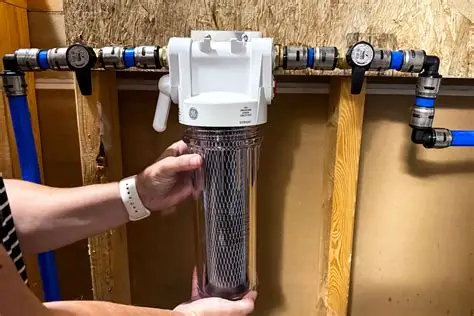
A whole-house filtration system treats water as it enters the home or at another designated point in the plumbing system.
Instead of filtering water only at one faucet, the system can provide treated water to multiple household fixtures, depending on its design and installation.
A whole-house system may contain:
- Sediment filtration
- Carbon filtration
- Specialized media
- Filter housing
- Automatic or manual valves
- Bypass valve
- Pressure gauges
- Drain connections where required
The exact configuration depends on the water-quality goals.
Why Consider Whole-House Water Filtration?
Homeowners may consider whole-house filtration for several reasons.
Potential goals include:
- Reducing sediment
- Improving water taste
- Reducing certain odors
- Addressing specific contaminants
- Protecting plumbing fixtures
- Improving water quality throughout the home
- Reducing the need for individual point-of-use filters
The appropriate system should be based on testing and the specific water concerns.
Signs You May Need Water Filtration
Possible signs include:
- Unpleasant water taste
- Unusual odor
- Visible sediment
- Cloudy water
- Frequent filter replacement at individual fixtures
- Water-quality concerns throughout the home
- Staining or deposits associated with specific water conditions
These symptoms can have different causes. Testing is useful before selecting a filtration system.
Whole-House Water Filter vs. Water Softener
A water filter and a water softener serve different purposes.
A traditional water softener is primarily designed to reduce hardness minerals. A filtration system can be designed to address sediment, chlorine, taste, odor, or specific contaminants depending on the filter media.
Some homes may benefit from using both systems.
For example, a treatment setup might include:
- Sediment filtration
- Water softening
- Carbon filtration
- Point-of-use reverse osmosis for drinking water
The correct combination depends on water quality and household requirements.
Whole-House Water Filtration Installation
Professional installation generally begins with understanding the home's water supply and existing plumbing.
The process may include:
Step 1: Water Assessment
The water is evaluated to identify the main concerns.
Step 2: Plumbing Inspection
The plumber determines where the filtration system can be installed and how it can be connected.
Step 3: System Selection
The filtration technology and capacity are selected according to water quality and household demand.
Step 4: Plumbing Preparation
Required valves, fittings, bypass components, or pipe modifications are installed.
Step 5: Filter Installation
The filtration equipment is connected to the designated water line.
Step 6: System Testing
The system is checked for leaks, flow, pressure, and correct operation.
Step 7: Maintenance Instructions
Homeowners receive information about filter replacement and routine system care.
Choosing the Right Filtration System
There is no single filtration system suitable for every home.
Selection may depend on:
- Water source
- Water test results
- Household size
- Daily water consumption
- Flow rate
- Desired filtration level
- Available installation space
- Maintenance preferences
- Filter replacement requirements
- Existing water treatment equipment
Installing the wrong type of filter may fail to address the actual problem.
Sediment Filtration
Sediment filters are designed to capture certain suspended particles from water.
They may be useful when water contains:
- Sand
- Dirt
- Rust particles
- Other suspended sediment
The filter rating and capacity should be selected according to the water conditions and household flow requirements.
Carbon Filtration
Carbon filtration is commonly used to improve certain taste and odor characteristics and reduce specific substances depending on the carbon media and system design.
Carbon systems require periodic media or cartridge replacement to maintain performance.
Water Filtration and Hard Water
A filtration system does not automatically replace a water softener.
If the primary issue is hardness minerals, a conventional softener may be more appropriate. If sediment, taste, odor, or another contaminant is the concern, filtration may be more suitable.
A water test can help distinguish these problems.
Whole-House Filtration and Drinking Water
Whole-house filtration treats water throughout the home, but some homeowners also want additional treatment for drinking and cooking water.
A point-of-use system, such as reverse osmosis, may be installed at a kitchen faucet when additional drinking-water treatment is desired.
The two systems can sometimes work together.
Filter Replacement and Maintenance
Every filtration system requires maintenance.
Depending on the equipment, maintenance may involve:
- Replacing filter cartridges
- Cleaning filter housings
- Replacing specialized media
- Checking pressure
- Inspecting seals
- Checking bypass valves
- Inspecting plumbing connections
- Monitoring water quality
A neglected filter can become less effective and may restrict water flow.
Low Water Pressure Through a Filter
A significant reduction in water pressure may indicate that a filter is clogged, undersized, or experiencing another issue.
Possible causes include:
- Saturated filter cartridge
- Incorrect filter size
- Sediment buildup
- Valve restriction
- Plumbing restriction
- System design limitations
Replacing the filter may resolve the problem in some cases, but persistent pressure loss should be professionally inspected.
Water Filtration System Leaks
Leaks may occur at:
- Filter housings
- Pipe connections
- Shut-off valves
- Bypass valves
- Seals
- Fittings
- Pressure components
A leak should be addressed promptly because filtration systems are connected directly to the home's water supply.
Whole-House Filtration for Older Homes
Older homes may require additional plumbing evaluation before a filtration system is installed.
The plumber may inspect:
- Existing pipe material
- Main water line
- Water pressure
- Shut-off valves
- Available installation space
- Drainage
- Existing treatment equipment
If the plumbing is deteriorated, repairs may be needed before connecting new equipment.
Whole-House Water Filtration for New Homes
New homes can be designed with water-treatment equipment in mind. Planning ahead may provide better access for installation and maintenance.
A suitable location should allow room for:
- Filter replacement
- System servicing
- Valve operation
- Bypass operation
- Plumbing access
Maintenance Schedule
Filter replacement frequency varies depending on:
- Filter type
- Water quality
- Household water consumption
- Manufacturer specifications
- Sediment load
- System capacity
Homeowners should follow the manufacturer's recommendations and monitor changes in water taste, odor, flow, or appearance.
Benefits of Professional Installation
Professional installation can help ensure:
- Correct water-line connections
- Proper flow direction
- Appropriate bypass configuration
- Secure fittings
- Proper system sizing
- Accessible maintenance location
- Reduced risk of leaks
A professional can also identify plumbing problems that may affect the filtration system.
Water Filtration System Cost Factors
The cost of whole-house filtration varies based on:
- Filtration technology
- System capacity
- Number of filtration stages
- Plumbing modifications
- Installation location
- Filter type
- Water testing
- Existing plumbing
- Additional treatment equipment
A professional evaluation can determine the appropriate equipment and installation requirements.
Frequently Asked Questions
What is a whole-house water filtration system?
It is a water-treatment system installed to filter water for multiple household fixtures rather than treating only one faucet.
Does whole-house filtration remove hard water?
Not necessarily. Hardness is generally addressed with a water softener or another appropriate treatment technology.
How often do whole-house filters need replacement?
The replacement interval depends on the filter type, water quality, household usage, and manufacturer recommendations.
Can a whole-house filter improve water taste?
Some filtration technologies are designed to improve certain taste and odor characteristics. The result depends on the specific filter and water conditions.
Can filtration and water softening be used together?
Yes. Different treatment systems can address different water-quality concerns when properly selected and installed.
Where should a whole-house filter be installed?
The location depends on the home's plumbing layout, water entry point, available space, drainage, and system requirements.
Does a whole-house filter reduce water pressure?
A properly sized system should be designed to support the home's flow requirements. A clogged or undersized filter can cause noticeable pressure reduction.
Do I need water testing before installing filtration?
Testing is highly useful because different filtration systems address different water-quality problems.
Conclusion
Professional whole-house water filtration in Gilbert, AZ can provide a practical approach to treating water throughout a home. The most important step is selecting a system that addresses the actual water-quality concern rather than choosing equipment based only on general claims.
Water testing, proper system sizing, correct plumbing connections, and regular filter maintenance all contribute to reliable performance.
If you are considering whole-house filtration for your Gilbert home, a qualified plumbing professional can evaluate your water, inspect the existing plumbing, recommend suitable equipment, and complete the installation according to the system requirements.