Clogged Drain Repair in Seville, Gilbert AZ Why Does My Drain Keep Clogging
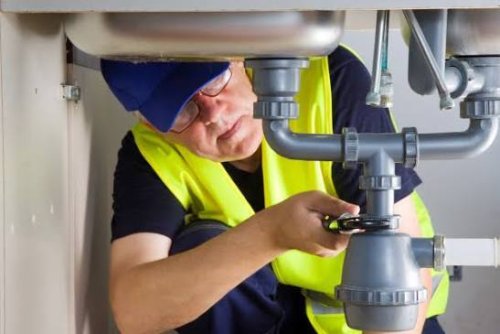
A clogged drain is one of those household problems that often starts small. The water may drain a little slower than usual, the sink may make a gurgling sound, or a small amount of water may remain in the shower after use. Many homeowners in Seville, Gilbert, AZ, try to solve the problem with a plunger or chemical drain cleaner.
Sometimes that works temporarily. But if the same drain keeps clogging again and again, there is usually a reason.
Recurring drain clogs can be caused by accumulated hair, grease, soap residue, food particles, tree roots, damaged pipes, poor drainage design, or a blockage deeper inside the plumbing system. Simply clearing the opening may remove the immediate obstruction without fixing the underlying problem.
For homeowners searching for clogged drain repair in Seville, Gilbert AZ, understanding why a drain keeps clogging is important. It can help you decide when a simple DIY solution is reasonable and when professional drain cleaning or drain repair is the safer option.
This guide explains the common causes of recurring drain clogs, warning signs to watch for, repair options, expected service steps, common mistakes, and when you should call a professional plumber.
Why Does My Drain Keep Clogging?
If a drain repeatedly becomes blocked, the problem may be more than ordinary household debris.
Here are some of the most common reasons.
1. Hair and Soap Buildup
Bathroom sinks, showers, and tubs commonly collect hair. Hair can combine with soap, shampoo, skin oils, and other residue to form a dense blockage.
A plunger may temporarily improve drainage, but some of the buildup can remain inside the pipe. Over time, the opening becomes restricted again.
This is especially common in shower drains where several people use the same bathroom every day.
2. Grease and Food Waste
Kitchen drains frequently clog because of grease, oil, fat, coffee grounds, food scraps, and other materials.
Pouring cooking oil down the sink may seem harmless while it is hot and liquid. However, grease can cool inside the plumbing and stick to the pipe walls. Other food particles can then attach to that layer.
Eventually, the passage becomes narrower and water drains slowly.
3. Too Much Material Going Down the Drain
A drain is designed to carry wastewater, not solid waste.
Paper towels, wipes, cotton products, excessive toilet paper, food scraps, and other inappropriate materials can create blockages. Some products marketed as “flushable” can also contribute to plumbing problems when used excessively.
The safest approach is to keep unsuitable materials out of household drains and toilets.
4. A Deeper Blockage
If a drain has been professionally or manually cleared but quickly becomes clogged again, the obstruction may be farther down the line.
A blockage deeper inside the branch drain or main sewer line can restrict water movement throughout the plumbing system.
In this situation, repeatedly treating the visible drain opening may not solve the problem.
5. Tree Roots in Underground Pipes
Tree roots naturally search for water. If an underground sewer pipe has a damaged joint, crack, or opening, roots may enter the line.
Once inside, roots can collect waste and gradually create a serious obstruction.
Root-related blockages often require more than ordinary drain cleaning. A plumber may need to inspect the line with a sewer camera and determine the location and severity of the intrusion.
6. Damaged or Deteriorated Pipes
Older or damaged plumbing can cause recurring drainage problems.
A pipe may have cracks, collapsed sections, separated joints, corrosion, or other structural problems. If the pipe itself is damaged, cleaning the blockage may provide only temporary relief.
In such cases, actual drain pipe repair or replacement may be necessary.
7. Poor Pipe Slope or Plumbing Design
Drainage depends on proper pipe installation and sufficient flow.
If a drain line has an incorrect slope, sagging section, or another installation problem, wastewater may not move efficiently. Sediment and debris can accumulate in areas where water movement is poor.
When a particular drain repeatedly fails despite cleaning, the plumbing configuration may need to be investigated.
Signs You Need Professional Clogged Drain Repair
Not every slow drain requires an emergency plumber. However, certain warning signs suggest that the problem deserves professional attention.
Watch for:
- The same drain keeps clogging after cleaning
- Multiple drains are slow at the same time
- Water backs up into a sink, shower, or tub
- Toilets frequently overflow or drain slowly
- You hear gurgling from drains
- There is a persistent sewage smell
- Water backs up when another fixture is used
- The blockage returns within days or weeks
- A plunger no longer provides meaningful improvement
- You notice sewage or wastewater around outdoor plumbing areas
One particularly important warning sign is multiple fixtures draining slowly at the same time.
For example, if the kitchen sink, bathroom sink, shower, and toilet all begin experiencing drainage problems, the issue may involve a larger drain or sewer line rather than four separate small clogs.
Clogged Drain Repair vs. Drain Cleaning: What Is the Difference?
These terms are sometimes used interchangeably, but they are not always the same service.
Drain cleaning generally focuses on removing an obstruction from inside the pipe. Depending on the situation, a plumber may use professional drain snakes, augers, hydro-jetting equipment, or other appropriate methods.
Drain repair addresses a problem with the plumbing system itself.
For example, if a sewer camera shows that a pipe has collapsed or has a significant break, cleaning the line does not repair the damaged pipe.
A useful way to think about it is:
Drain cleaning removes the blockage. Drain repair fixes the plumbing problem causing or allowing the blockage.
Sometimes both services are necessary.
How a Professional Plumber Diagnoses a Recurring Clog
A reliable plumber should not automatically assume that every recurring clog is caused by hair or grease.
The first step is usually to understand the symptoms.
A plumber may ask:
- Which fixture is affected?
- How frequently does it clog?
- When did the problem begin?
- Have you used drain cleaner?
- Are other drains affected?
- Does water back up when another fixture is used?
- Has the property experienced previous plumbing repairs?
The plumber may then inspect the fixture and drainage line.
For difficult or recurring blockages, a sewer camera inspection can be particularly useful. A small camera can help identify problems deeper inside the line, including heavy buildup, root intrusion, cracks, offsets, or other structural issues.
The benefit of proper diagnosis is simple: you avoid paying repeatedly for the same temporary fix when the actual problem is somewhere deeper in the system.
Common Methods Used for Clogged Drain Repair
The appropriate method depends on the cause and location of the blockage.
Drain Snaking
A plumbing snake or auger can break through or retrieve many common blockages.
It is often useful for localized clogs in sinks, tubs, showers, and other household drains.
Hydro Jetting
Hydro jetting uses high-pressure water to clean the interior of suitable plumbing lines.
It can be helpful when pipes have significant grease, sludge, mineral buildup, or other deposits.
However, hydro jetting is not automatically appropriate for every pipe. The condition and material of the plumbing should be considered before using high-pressure equipment.
Sewer Camera Inspection
A camera inspection helps locate problems that cannot be identified simply by looking at the drain opening.
It can be especially valuable when a clog repeatedly returns or when a sewer line is suspected.
Root Removal
If roots have entered a sewer line, specialized equipment may be required to remove or cut the intrusion.
However, removing roots does not necessarily mean the underlying pipe damage has been corrected. If the pipe has a crack or separated joint, further repair may be necessary.
Pipe Repair or Replacement
If the line is structurally damaged, a plumber may recommend repairing or replacing the affected section.
The best solution depends on factors such as pipe condition, location, accessibility, severity of damage, and the overall condition of the plumbing system.
Can I Fix a Clogged Drain Myself?
For a simple, isolated clog, homeowners can often try basic methods.
A properly used plunger may clear a minor blockage. Cleaning a removable sink stopper or drain cover can also remove visible debris.
However, caution is important.
Repeatedly forcing tools into plumbing can damage certain fixtures or pipes. Chemical drain cleaners can also create risks, particularly if they are used repeatedly, mixed with other chemicals, or followed by mechanical work.
If you have already poured chemical drain cleaner into the pipe, tell the plumber before they begin work.
DIY methods become less appropriate when the blockage repeatedly returns, multiple fixtures are affected, sewage is backing up, or there are signs of a damaged sewer line.
What Should You Never Put Down a Drain?
Preventing recurring clogs starts with what goes into your plumbing.
Avoid putting the following down household drains:
- Cooking grease and oil
- Coffee grounds
- Large food particles
- Paper towels
- Excessive wipes
- Cotton products
- Hair
- Construction debris
- Paint or other unsuitable materials
- Non-degradable objects
In the kitchen, use a sink strainer to catch food particles.
In bathrooms, a hair-catching drain cover can reduce the amount of hair entering the plumbing.
Small preventive measures can significantly reduce the frequency of ordinary household clogs.
Why Chemical Drain Cleaners May Not Be the Best Long-Term Solution
Chemical drain cleaners can sometimes break down certain types of organic material, but they do not correct structural plumbing problems.
If your drain keeps clogging because of a damaged pipe, root intrusion, severe buildup, or an improperly functioning drainage line, chemical treatment may only delay the problem.
Repeated chemical use may also create additional safety concerns and can complicate professional repair work.
If a drain repeatedly becomes blocked, identifying the cause is usually more useful than repeatedly treating the symptom.
How Long Does Clogged Drain Repair Take?
The time required depends on the location and cause of the blockage.
A simple sink or shower clog may be resolved relatively quickly if the obstruction is close to the fixture.
A deeper blockage may take longer because the plumber may need to access a larger drain line.
If a camera inspection identifies damaged pipework, the repair can take substantially longer depending on where the pipe is located and what type of repair is required.
There is no reliable one-size-fits-all timeframe for recurring drain problems. A professional assessment is the best way to determine the likely scope of work.
What Does Clogged Drain Repair Cost in Seville, Gilbert AZ?
The cost varies depending on the problem.
A straightforward drain cleaning is generally less involved than repairing a damaged underground sewer line. Costs may depend on:
- Location of the blockage
- Severity of the obstruction
- Type of plumbing
- Accessibility of the pipe
- Equipment required
- Whether camera inspection is necessary
- Whether roots are involved
- Whether pipe repair or replacement is needed
Homeowners should be cautious about choosing a plumber based solely on the lowest advertised price.
A very inexpensive initial service may only clear the immediate blockage. If the underlying problem remains, you could end up paying for repeated visits.
Ask what the quoted service includes, whether inspection is recommended, and whether additional repair work could be required.
Hidden Problems Behind a “Simple” Clog
One of the most important facts about recurring drain problems is that the visible symptom may not be the real problem.
For example, imagine a homeowner's shower drain becomes blocked every month. A plumber clears it each time, but the problem returns.
The homeowner may assume that hair is the only issue.
However, if a camera inspection reveals a damaged section of pipe where debris continuously collects, the recurring blockage now makes sense.
The long-term solution is not simply to clear the hair every few weeks. The damaged section needs to be addressed.
This is why diagnosis matters when a drain keeps clogging.
When Is a Clogged Drain an Emergency?
Some drainage problems should be addressed promptly.
Call for professional plumbing assistance when sewage is backing up into your home, several drains are blocked simultaneously, wastewater is overflowing, or you suspect a main sewer line blockage.
A sewage backup can create sanitation concerns and may cause significant property damage if wastewater reaches floors, walls, cabinets, or other parts of the home.
If wastewater is actively backing up, avoid unnecessary contact with it and stop using affected plumbing fixtures until the problem has been assessed.
How to Prevent Drain Clogs in the Future
After repairing a recurring clog, prevention can reduce the chance of another blockage.
Use drain strainers in sinks and showers. Keep grease out of kitchen plumbing. Dispose of food waste appropriately rather than washing it down the sink.
Clean visible drain covers regularly and pay attention to early warning signs such as slow drainage or unusual gurgling.
For properties with known sewer-line problems, professional inspections may also help identify developing issues before they become major backups.
Most importantly, do not ignore a drain that repeatedly becomes slow.
A recurring clog is your plumbing system giving you information. The sooner the cause is identified, the easier it may be to address.
People Also Ask About Clogged Drains in Seville, Gilbert AZ
Why does my drain keep clogging even after I use drain cleaner?
The cleaner may remove some material without addressing a deeper blockage, heavy buildup, root intrusion, or damaged pipe. Repeated clogs should be professionally diagnosed.
Why does my bathroom drain clog so often?
Hair, soap residue, skin oils, and other debris can accumulate inside bathroom pipes. A recurring problem may also indicate a deeper restriction.
Why are several drains in my house clogged at once?
Multiple affected fixtures can indicate a blockage in a larger branch drain or main sewer line rather than separate fixture-level clogs.
Should I use a chemical drain cleaner?
For recurring problems, relying on chemical cleaners is not a good substitute for diagnosis. Follow product safety instructions and inform a plumber if chemicals have already been used.
Can tree roots cause a clogged sewer line?
Yes. Roots can enter damaged or compromised underground sewer pipes and collect waste, eventually restricting the flow.
How do I know if I need drain repair instead of drain cleaning?
If the blockage keeps returning or an inspection reveals a cracked, collapsed, displaced, or otherwise damaged pipe, cleaning alone may not solve the problem.
What is the fastest way to clear a clogged drain?
For a minor accessible blockage, a plunger may help. For persistent or deep blockages, professional equipment and diagnosis are often more effective than repeated DIY attempts.
Voice Search Questions Homeowners Ask
“Why does my drain keep clogging?”
Usually because material continues accumulating in the pipe or there is an underlying plumbing problem such as deep buildup, root intrusion, or damaged pipework.
“Why does my shower drain keep backing up?”
Hair and soap buildup are common causes, but repeated backup can indicate a deeper drainage restriction.
“Why are all my drains slow?”
If several fixtures are affected, the problem may be farther down the drainage system or in the main sewer line.
“When should I call a plumber for a clogged drain?”
Call a professional when the clog repeatedly returns, multiple fixtures are affected, wastewater backs up, or basic methods do not solve the problem.
When to Call a Professional Plumber in Seville, Gilbert AZ
A single slow drain is often manageable. A drain that repeatedly clogs is different.
If you have tried reasonable basic solutions and the problem continues, professional diagnosis can help determine whether you are dealing with ordinary buildup or a more significant plumbing issue.
For homeowners looking for clogged drain repair in Seville, Gilbert AZ, the goal should not simply be to make the water disappear today. The better goal is to identify why the blockage occurred and determine whether the plumbing requires cleaning, inspection, repair, or replacement.
If your drain keeps clogging, contact gilbertazplumbers through gilbertazplumbers.com to discuss the problem and arrange the appropriate plumbing service.
Final Takeaway
A recurring clogged drain should not always be treated as a minor inconvenience. Hair, grease, soap, and food debris can cause ordinary blockages, but repeated clogs may also point to deeper problems such as sewer-line buildup, tree roots, poor drainage, or damaged pipes.
The right solution depends on finding the actual cause.
Instead of repeatedly pouring chemicals down the drain or paying for the same temporary clearing service, consider having the plumbing properly assessed when the problem keeps returning. Early diagnosis can help prevent a small drainage issue from developing into a more disruptive and expensive plumbing problem.