
Whole-House Repiping in Gilbert, AZ
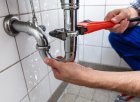
A home's plumbing system can gradually deteriorate over many years. While replacing one damaged pipe may solve an isolated problem, some properties eventually develop repeated leaks, corrosion, low water pressure, restricted flow, or other issues throughout the plumbing system.
When plumbing problems become widespread, whole-house repiping in Gilbert, AZ may be considered.
Whole-house repiping involves replacing a significant portion or the majority of a home's water supply piping. The exact scope depends on the property's existing plumbing system, pipe condition, layout, accessibility, and homeowner requirements.
Repiping is a major plumbing project, so a professional evaluation should be completed before deciding whether it is necessary.
What Is Whole-House Repiping?
Whole-house repiping is the process of replacing existing water supply pipes throughout a home with new plumbing.
Instead of repeatedly repairing individual failing sections, repiping addresses the broader water distribution system.
The project may include supply lines serving:
- Kitchen faucets
- Bathroom faucets
- Showers
- Toilets
- Water heaters
- Laundry appliances
- Outdoor fixtures
- Other water-consuming fixtures
The exact scope varies by property.
Signs Your Home May Need Repiping
Frequent Leaks
Repeated leaks in different parts of the house can indicate widespread pipe deterioration.
Corrosion
Visible corrosion on exposed plumbing may suggest aging pipes.
Low Water Pressure
Restricted or deteriorated supply pipes can sometimes contribute to poor water flow.
Discolored Water
Rust-colored or unusual water can sometimes be associated with pipe corrosion or other plumbing conditions.
Recurring Repairs
If plumbing repairs are becoming frequent, it may be time to evaluate the overall system.
Old Plumbing
Older plumbing systems may eventually require extensive replacement.
Why Homes May Need Repiping
Several conditions can contribute to the need for repiping.
Aging Plumbing
Pipes have a practical service life that varies depending on material, installation, water conditions, and other factors.
Corrosion
Corrosion can weaken pipe walls and contribute to leaks.
Internal Buildup
Mineral deposits can reduce the effective inside diameter of some pipes.
Repeated Failures
Multiple leaks may indicate that isolated repair is no longer the most practical solution.
Whole-House Repiping vs. Individual Pipe Repair
Individual repair is appropriate when the problem is isolated and the surrounding plumbing remains in good condition.
Whole-house repiping may make more sense when failures are widespread.
For example, replacing one leaking pipe may be reasonable if it is the only damaged section.
However, if several pipes have developed leaks or severe corrosion, replacing the larger water distribution system may provide a more comprehensive solution.
Benefits of Whole-House Repiping
Fewer Recurring Pipe Repairs
Replacing deteriorated plumbing can reduce the need for repeated repairs to the old system.
Improved Water Flow
If old pipes are significantly restricted, new plumbing may improve water delivery.
Reduced Leak Risk
New piping removes many sections of aging plumbing from service.
Modernized Plumbing System
Repiping can update an older water distribution system.
Greater Peace of Mind
Homeowners may have greater confidence when widespread plumbing deterioration has been addressed.
Repiping Process
Step 1: Plumbing Inspection
A professional evaluates the home's existing plumbing.
Step 2: Identify Pipe Material
The existing pipe type is identified where possible.
Step 3: Evaluate Pipe Condition
Visible plumbing and reported problems are reviewed.
Step 4: Develop a Repiping Plan
The plumber determines which water lines need replacement.
Step 5: Select Replacement Materials
Appropriate materials are chosen based on the property's plumbing requirements.
Step 6: Plan Access
The plumber identifies how walls, ceilings, cabinets, crawlspaces, or other areas will be accessed.
Step 7: Install New Piping
Old supply lines are replaced according to the project plan.
Step 8: Connect Fixtures
The new plumbing is connected to appropriate fixtures and appliances.
Step 9: Test the System
Water pressure, connections, and fixtures are checked for proper operation.
Step 10: Complete Restoration
Any necessary wall or surface restoration can be arranged after plumbing work.
What Areas Are Usually Re-piped?
The exact areas vary by home.
A repiping project may involve lines serving:
- Kitchen
- Bathrooms
- Laundry room
- Water heater
- Garage
- Outdoor faucets
- Utility areas
- Other plumbing fixtures
The plumber should clearly explain which lines are included.
Repiping Older Homes in Gilbert
Older homes can have plumbing systems that require closer evaluation.
If the property has experienced multiple leaks, poor pressure, corrosion, or repeated plumbing repairs, a whole-house inspection can help determine whether repiping is appropriate.
Not every older home automatically needs repiping.
The actual pipe condition should be evaluated before making a decision.
Choosing Repiping Materials
Modern plumbing systems can use different types of piping.
The appropriate material depends on the application, local requirements, installation conditions, existing plumbing, and homeowner preferences.
A professional plumber can explain the available options and their advantages and limitations.
Does Repiping Require Opening Walls?
Access requirements depend on the home's construction and existing plumbing layout.
Some sections may be accessible through attics, crawlspaces, utility areas, cabinets, or other locations.
Other sections may require limited wall or ceiling access.
A professional repiping plan should identify expected access points before work begins.
Whole-House Repiping and Water Pressure
One potential benefit of replacing severely restricted supply piping is improved water flow.
However, low pressure can have other causes.
Potential causes include:
- Main water supply issues
- Pressure regulator problems
- Partially closed valves
- Fixture restrictions
- Municipal supply conditions
- Plumbing leaks
A professional should identify the actual cause before assuming repiping is necessary.
Repiping and Water Quality
If old plumbing is deteriorating internally, replacement can remove problematic sections from the water distribution system.
However, water quality can be affected by many factors beyond household pipes.
If water quality is a concern, testing can help identify the underlying issue.
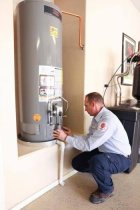
Repiping and Water Heaters
The water heater connects to the home's plumbing system.
During a whole-house repiping project, the water heater connections may also need to be evaluated.
The goal is to ensure that the new plumbing integrates correctly with the existing water heating system.
Whole-House Repiping Cost in Gilbert, AZ
Repiping costs vary significantly from one home to another.
Factors include:
- Home size
- Number of fixtures
- Number of water lines
- Pipe material
- Accessibility
- Wall construction
- Number of bathrooms
- Number of stories
- Plumbing layout
- Labor requirements
- Surface restoration
A professional inspection and written estimate are recommended before starting a major repiping project.
How Long Does Whole-House Repiping Take?
Project duration depends on the size and complexity of the home.
Factors can include:
- Number of fixtures
- Number of pipes
- Access conditions
- Home layout
- Pipe material
- Wall or ceiling access
- Inspection requirements
A plumber can provide a more realistic project schedule after evaluating the property.
Preparing Your Home for Repiping
Before work begins, homeowners may need to:
- Clear access to plumbing areas.
- Remove items from cabinets.
- Protect valuables.
- Make arrangements for temporary water interruptions.
- Discuss access requirements.
- Confirm the project scope.
The plumbing contractor should explain what homeowners need to do before work starts.
What Happens to the Old Pipes?
The existing water supply pipes are disconnected and removed or abandoned according to the project requirements.
The new system is then connected and tested.
The exact removal process depends on the home's construction and accessibility.
Repiping for Multi-Bathroom Homes
Homes with multiple bathrooms can have more extensive plumbing networks.
A proper repiping plan should account for the number of fixtures and expected simultaneous water use.
This helps ensure the new system is appropriately designed.
Preventing Future Plumbing Problems
After repiping, homeowners should continue routine plumbing maintenance.
Helpful practices include:
- Monitoring water pressure.
- Repairing small leaks quickly.
- Inspecting exposed plumbing.
- Maintaining water treatment systems when needed.
- Avoiding unnecessary chemical drain products.
- Scheduling plumbing inspections when appropriate.
Questions to Ask a Repiping Contractor
Before hiring a plumbing professional, ask:
- Does my home actually need whole-house repiping?
- Which pipes will be replaced?
- What material will be installed?
- Will walls need to be opened?
- How long should the project take?
- Will water be unavailable during the work?
- Is surface restoration included?
- What testing will be performed?
- What happens if additional damaged plumbing is discovered?
Is Whole-House Repiping Worth It?
Repiping can be a significant investment.
It may make sense when a home's plumbing has widespread deterioration and repeated failures.
If the plumbing problems are isolated, targeted repair may be more appropriate.
The best decision depends on the condition of the existing system rather than simply the age of the property.
Professional Whole-House Repiping in Gilbert, AZ
A home's plumbing system should provide reliable water delivery without constant leaks and repeated repairs.
When multiple sections of the plumbing system begin failing, whole-house repiping may offer a more comprehensive solution than continuing to repair individual sections.
Professional whole-house repiping in Gilbert, AZ can help homeowners evaluate the condition of their existing plumbing, determine whether repiping is appropriate, select suitable replacement materials, and develop a practical installation plan.
If your home has frequent leaks, recurring plumbing repairs, corrosion, poor water flow, or aging supply pipes, schedule a professional plumbing inspection to determine whether whole-house repiping is the right option.