What Plumbing Maintenance Should Gilbert Homeowners Do Every Year
Learn essential annual plumbing maintenance for Gilbert, AZ homes. Protect pipes from hard water, heat, and slab leaks with expert maintenance tips.
What Plumbing Maintenance Should Gilbert Homeowners Do Every Year?
Owning a home in Gilbert, Arizona—whether in Agritopia, Power Ranch, Val Vista Lakes, or near the Heritage District—comes with sun-drenched days and beautiful desert landscapes. However, sitting behind your drywall, inside your garage, and underneath your concrete slab foundation is an intricate plumbing system under continuous stress.
Between Gilbert’s notoriously hard municipal water (ranging from 8 to 17.5+ grains per gallon of calcium and magnesium), extreme summer heat baking unconditioned garages past 125°F, and shifting desert clay soils, your pipes take a beating 365 days a year.
Many local homeowners fall into the trap of reactive plumbing: waiting for a water heater to burst, a slab leak to flood the kitchen
What Plumbing Maintenance Should Gilbert Homeowners Do Every Year? Simply put, a comprehensive annual plumbing checklist includes flushing your water heater
In this guide, our licensed plumbing experts share over 15 years of field experience writing and working across Maricopa County. We break down why annual maintenance matters, exact warning signs to watch for, safe DIY tasks vs. professional checks, cost factors, and a complete seasonal schedule to keep your water flowing clearly and reliably.
What Is Annual Plumbing Maintenance?
Annual plumbing maintenance is a systematic, whole-home inspection and preventive servicing routine performed every 12 months to identify micro-leaks
+-------------------------------------------------------------------+
|               ANNUAL PLUMBING MAINTENANCE SYSTEM                  |
+-------------------------------------------------------------------+
|  [ WATER INLET / PRV ]  --> Tests incoming municipal pressure     |
|          |                                                        |
|  [ WATER SOFTENER ]     --> Checks brine tank & resin bed condition|
|          |                                                        |
|  [ WATER HEATER ]       --> Flushes sediment & checks anode rod   |
|          |                                                        |
|  [ INDOOR FIXTURES ]    --> Tests stops, aerators, & P-traps      |
|          |                                                        |
|  [ SUB-SLAB / DRAINS ]  --> Inspects main line & sub-grade pipes  |
+-------------------------------------------------------------------+
Simple Explanation
Think of annual plumbing maintenance like servicing your home’s HVAC unit or taking your vehicle in for an oil change. Potable water enters your Gilbert home under high pressure from municipal mains. It flows through pressure regulators, water softeners, and water heaters before reaching your faucets, showers, and toilets.
Without yearly care, mineral scale hardens inside pipes, rubber seals dry out, safety valves freeze shut, and microscopic pinhole leaks quietly erode sub-floor concrete
Common Situations & Symptoms
If your home has gone more than a year without a thorough plumbing tune-up, you might notice:
-
Fluctuating Shower Temperatures: Sudden spikes of boiling or freezing water when someone flushes a toilet.
-
White, Chalky Scale on Faucets: Heavy calcium crust ringed around faucet tips and showerhead nozzles.
-
Clicking or Rumbling Water Heater: Popping sounds coming from your garage water heater during heating cycles.
-
Slight Water Pressure Drops: Faucets running slower than they did six months ago.
-
High Monthly Utility Bills: A gradual, unexplained rise in your water bill
Why Does Skipping Maintenance Cause Problems in Gilbert, AZ?
Plumbing systems in Gilbert face environmental and geological conditions that differ significantly from other regions of the country.
┌─────────────────────────────────────────────────────────────────┐
│               GILBERT ENVIRONMENT VS. YOUR PIPES                │
├───────────────────────────────┬─────────────────────────────────┤
│ Hard Mineral Tap Water        │ Extreme Desert Heat             │
│ • 8 to 17.5+ GPG Calcium      │ • 125°F+ Garage Temperatures    │
│ • Rapid mineral calcification │ • Thermal expansion pressure    │
│ • Clogged fixture aerators    │ • Brittle plastic valve failure │
└───────────────────────────────┴─────────────────────────────────┘
1. High Municipal Water Hardness
According to Town of Gilbert water quality reports, local water contains high levels of dissolved minerals, averaging between 8 and 10 GPG, with seasonal spikes over 17 GPG in certain distribution zones. When hard water is heated or sits in supply lines, calcium carbonate drops out of liquid solution and forms solid rock-like scale. This scale restricts pipe flow, burns out heating elements, and destroys internal valve seals.
2. Extreme Summer Heat and Garage Placement
In Maricopa County, water heaters are predominantly installed in unconditioned attached garages. During Arizona summers, garage ambient temperatures stay above 120°F for weeks at a time. This intense external heat increases internal tank pressure and accelerates metal oxidation.
3. Desert Clay Soil Desiccation
Gilbert’s sub-surface soil contains heavy clay that expands when wet and contracts drastically during long summer heatwaves. This continuous soil movement exerts shearing forces on copper pipes buried beneath concrete slab foundations, making annual sub-slab leak checks vital
4. Excessive Municipal Line Pressure
To push water across vast desert distribution grids, municipal utilities maintain high main pressure. Without a functioning home Pressure Reducing Valve (PRV), incoming pressure can exceed 80 to 100 PSI, blowing out appliance hoses and toilet fill valves.
Warning Signs You Should Never Ignore
Between annual professional tune-ups, your plumbing system will give subtle warning signs when a component is failing.
┌─────────────────────────────┬──────────────────────────────────────────┐
│ WARNING SIGN                │ WHAT IT TRULY INDICATES                  │
├─────────────────────────────┼──────────────────────────────────────────┤
│ Warm Spot on Floor Tile     │ Active sub-slab hot water line rupture   │
│ Rattling / Knocking Pipes   │ High pressure / Failing PRV regulator    │
│ Dripping T&P Relief Valve   │ Dangerous thermal expansion in water heater│
│ Standing Water in Yard      │ Broken main line or irrigation supply    │
│ Fine Sand in Faucet Aerators│ Disintegrated water softener resin bed   │
└─────────────────────────────┴──────────────────────────────────────────┘
1. Unexplained Floor Warmth or Tile Moisture
Walking barefoot across kitchen or bathroom tile and feeling a warm patch is a primary sign of a sub-slab copper leak
2. Rattling or Knocking Pipes (Water Hammer)
If your pipes shake or bang loudly inside walls when a washing machine or faucet shuts off, your system is suffering from high water pressure or depleted air chambers. Unchecked water hammer can rupture pipe joints.
3. Crusty Green or White Build-up on Valves
Crusty mineral deposits around angle stop valves under sinks indicate micro-sweating. The metal is slowly corroding and can snap without warning under normal usage.
What Plumbing Maintenance Should Gilbert Homeowners Do Every Year? (The Master Checklist)
To ensure complete coverage, divide your annual plumbing maintenance into clear operational categories.
┌────────────────────────────────────────────────────────────────────────┐
│               THE ANNUAL GILBERT PLUMBING CHECKLIST                    │
├────────────────────────────────────────────────────────────────────────┤
│ 1. Water Heater Service: Flush sediment & inspect anode rod            │
│ 2. Pressure Regulator Test: Gauge main line pressure (50–70 PSI)       │
│ 3. Water Softener Maintenance: Clean brine tank & check salt bridge   │
│ 4. Sub-Slab Leak Sweep: Perform static meter drop test                 │
│ 5. Shut-Off Valve Inspection: Exercise all emergency angle stops       │
│ 6. Outdoor & Backflow Care: Insulate hose bibs & check vacuum breakers │
│ 7. Drain & Sewer Line Check: Clear P-traps & inspect main cleanout     │
└────────────────────────────────────────────────────────────────────────┘
1. Water Heater Tank Flush and Anode Rod Inspection
-
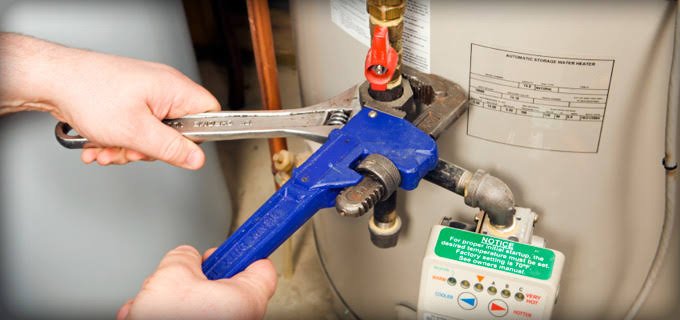
Drain and Flush: Flush out the heavy calcified sediment sitting at the base of your water heater
-
Anode Rod Check: Remove and check the sacrificial anode rod. If more than 6 inches of core wire is exposed or covered in thick scale, replace it immediately to keep the steel tank from rusting through.
-
T&P Valve Test: Lift the lever on the Temperature and Pressure (T&P) relief valve briefly to confirm it releases water smoothly and seals tightly.
2. Main Pressure Reducing Valve (PRV) Testing
-
Screw a water pressure gauge onto an outdoor hose bib.
-
Turn on the valve to measure static pressure.
-
Ideal Range: Home pressure should read between 50 and 70 PSI. If pressure exceeds 80 PSI, your PRV diaphragm has failed and requires replacement before high pressure bursts your fixture lines.
3. Water Softener System Servicing
-
Inspect the brine tank for salt bridges (hard crusts of salt that form empty cavities beneath the surface).
-
Clean iron and mineral build-up out of the brine injector nozzle.
-
Test hardness levels at an unsoftened outdoor bib vs. an indoor softened tap to confirm proper grain reduction.
4. Whole-Home Static Leak Test (Sub-Slab Sweep)
-
Turn off every water fixture, ice maker, and irrigation line in your home
-
Go out to your outdoor water meter box near the curb
-
Watch the low-flow indicator dial (a small red/blue triangle or digital counter)
5. Shut-Off Valve Exercise and Stop Testing
-
Turn the emergency angle stop shut-off valves under every sink, toilet, dishwasher, and washing machine off and on two times.
-
Exercising these valves prevents mineral scale from locking them in place, ensuring you can quickly shut off water during a sudden pipe burst.
6. Outdoor Backflow, Hose Bib, and Pool Auto-Fill Maintenance
-
Check hose bib stems for drips or leaking packing nuts.
-
Inspect plastic vacuum breakers on outdoor spigots for summer heat cracking.
-
Check pool auto-fill float valves to ensure they aren't constantly leaking water into your pool overflow drain.
7. Main Drain Line Cleanout and P-Trap Cleaning
-
Inspect the exterior main sewer cleanout cap in your yard to confirm it is intact and accessible.
-
Remove pop-up stoppers in bathroom sinks to clear hair, soap scum, and mineral sludge.
-
Pour water down unused guest bathroom or laundry room P-traps to keep sewer gases from entering your home.
Common Plumbing Problems Related to Neglected Maintenance
Skipping yearly maintenance leads to systemic failures across your entire property:
                            ┌────────────────────────┐
                            │  SKIPPING ANNUAL CARE  │
                            └───────────┬────────────┘
                                        │
         ┌──────────────────────────────┼──────────────────────────────┐
         ▼                              ▼                              ▼
┌─────────────────┐            ┌─────────────────┐            ┌─────────────────┐
│ Water Heater    │            │ High-Pressure   │            │ Sub-Slab Pipe   │
│ Tank Burst      │            │ Hose Bursts     │            │ Fractures       │
└─────────────────┘            └─────────────────┘            └─────────────────┘
         │                              │                              │
         ▼                              ▼                              ▼
┌─────────────────┐            ┌─────────────────┐            ┌─────────────────┐
│ Garage Flooding │            │ Drywall & Mold  │            │ Foundation Soil │
│ & Ruined Framing│            │ Restoration     │            │ Erosion         │
└─────────────────┘            └─────────────────┘            └─────────────────┘
-
Slab Leaks: Unnoticed thermal expansion and soil shift crack underground copper lines, resulting in sub-floor water damage
-
Water Heater Tank Failure: Calcified sediment insulates the tank bottom, overheating the glass lining until the steel ruptures.
-
Sewer Main Backups: Undetected tree roots infiltrate main drain line joints, causing raw sewage to back up into bathtubs and shower basins.
-
Burst Washing Machine Lines: Aging rubber supply hoses swell under high summer pressure and burst when no one is home.
Step-by-Step Professional Plumbing Inspection Process
When you hire a licensed plumbing company to complete your annual maintenance inspection, the technician performs a multi-point evaluation using specialized industry tools:
┌────────────────────────────────────────────────────────────────────────┐
│                   PROFESSIONAL INSPECTION WORKFLOW                     │
├────────────────────────────────────────────────────────────────────────┤
│ Step 1: Incoming Supply & Pressure Evaluation                          │
│         • Gauge static water pressure & test main master valve.        │
│ Step 2: Whole-Home Visual & Thermal Leak Audit                         │
│         • Scan angle stops, supply lines, and floors for thermal leaks.│
│ Step 3: Water Heater Diagnostic & Tank Flush                           │
│         • Check electrical amperage/gas pressure, flush sediment.      │
│ Step 4: Water Treatment & Filtration Audit                             │
│         • Test grain reduction, valve cycling, & salt bed health.      │
│ Step 5: Drainage & Main Cleanout Camera Sweep                          │
│         • Probe main sewer line with HD camera if slow drains exist.   │
│ Step 6: Detailed Report & Honest Maintenance Recommendations           │
│         • Provide itemized written health report with zero pressure.   │
└────────────────────────────────────────────────────────────────────────┘
Step 1: Pressure and Supply Isolation Testing
The plumber measures static incoming water pressure and tests the main shut-off valve at the meter or home entrance to verify emergency shut-off capability.
Step 2: Thermal Imaging and Visual Inspection
Using infrared thermal cameras, the technician scans floors
Step 3: Water Heater Performance Audit
The plumber checks gas control valves, burner flames, electric element resistance (Ohms), T&P safety valves, thermal expansion tanks, and performs a full-volume flush to remove calcified mineral mud
Step 4: Drainage and Main Line Camera Inspection
If sinks drain slowly or toilets gurgle, the technician inserts a self-leveling HD sewer video camera into the main yard cleanout to inspect internal pipe health for roots, cracks, or belly sags.
Step 5: Itemized Health Report
The plumber compiles a clear written report detailing system health, component lifespans, and prioritizing any safety repairs needed.
Can You Do It Yourself? (Safe DIY vs. Professional Plumbing)
Homeowners can easily perform basic monthly and seasonal checks, but technical pressure adjustments and deep system diagnostics require a licensed plumber.
┌───────────────────────────────────┬───────────────────────────────────┐
│ SAFE DIY TASKS                    │ PROFESSIONAL-ONLY SERVICES        │
├───────────────────────────────────┼───────────────────────────────────┤
│ Visually inspect under-sink stops │ Replacing main PRV pressure valves│
│ Refill P-traps in unused bathrooms│ Replacing water heater anode rods │
│ Clear debris from sink aerators   │ Electronic acoustic slab leak check│
│ Add softener salt & break bridges │ Video camera sewer main line sweep│
└───────────────────────────────────┴───────────────────────────────────┘
Safe DIY Maintenance Steps
-
Clean Aerators: Unscrew screen nozzles from kitchen and bathroom faucets every 6 months to rinse out dislodged mineral scale.
-
Visual Cabinet Checks: Use a flashlight monthly to check for water drops or damp paper towels under vanity cabinets.
-
Test Softener Salt: Break up salt bridges in your brine tank using a broom handle and keep salt levels above water lines.
When DIY Becomes Dangerous
-
Replacing Brittle Drain Valves: Trying to force open a stuck plastic water heater drain valve can snap the valve off inside the tank, flooding your garage.
-
Adjusting PRVs Without Gauges: Over-tightening pressure regulator screws can send 100+ PSI water surges directly into home appliances.
-
Cutting Sub-Slab Concrete: Attempting DIY slab leak repairs without acoustic location gear risks damaging post-tension cables buried inside concrete pads.
Advanced Tools Professionals Use
Licensed plumbers use modern equipment to diagnose plumbing issues without invasive wall or floor demolition:
┌──────────────────────────────┬────────────────────────────────────────┐
│ PROFESSIONAL EQUIPMENT       │ PURPOSE & FUNCTION                     │
├──────────────────────────────┼────────────────────────────────────────┤
│ Acoustic Ground Microphones  │ Amplifies sound frequencies of slab leaks│
│ Thermal Imaging Infrared     │ Detects hidden moisture signatures      │
│ HD Sewer Inspection Cameras  │ Provides clear video of drain interiors│
│ Digital Pressure Decay Gauges│ Pinpoints microscopic supply leaks     │
│ Hydro Jetting Units          │ Scours mineral scale & roots from mains│
└──────────────────────────────┴────────────────────────────────────────┘
How Long Does Maintenance and Repair Take?
┌──────────────────────────────┬──────────────────┬─────────────────────┐
│ SERVICE TYPE                 │ AVERAGE TIME     │ KEY FACTORS         │
├──────────────────────────────┼──────────────────┼─────────────────────┤
│ Whole-Home Annual Inspection │ 1 – 2 Hours      │ Home size & fixtures│
│ Water Heater Tank Flush      │ 45 – 60 Minutes  │ Sediment buildup level│
│ PRV Valve Replacement        │ 1.5 – 2.5 Hours  │ Pipe access & location│
│ Overhead PEX Slab Leak Reroute│ 1 – 2 Days      │ Access & restoration│
└──────────────────────────────┴──────────────────┴─────────────────────┘
Cost Factors Explained
Plumbing maintenance and repair costs vary depending on system condition, accessibility, materials required, emergency dispatch, property type, and local labor rates.
Key cost drivers include:
-
Scope of Inspection: Basic visual tune-ups vs. comprehensive camera line inspections and thermal leak scans.
-
Component Accessibility: Equipment located in tight attics or shallow crawl spaces requires extra labor.
-
Replacement Parts Required: Upgrading to commercial-grade brass valves, Type L copper, or high-temp PEX-a piping.
-
Water Heater Type: Standard tank units vs. specialized tankless descaling pump services.
Hidden Truths Homeowners Should Know
-
Small Dripping Valves Become Expensive Floods: A slow angle stop drip under a vanity cabinet can rot subflooring and generate toxic mold within 24 to 48 hours.
-
Cheap Temporary Fixes Fail Under Pressure: Wrapping leaking pipes with silicone tape or epoxy putty won't hold under Gilbert's static water pressure.
-
Homeowners Insurance May Deny Claims for Neglect: Insurance adjusters routinely deny water damage claims if inspection reveals long-term, unaddressed corrosion or neglected maintenance.
-
Hard Water Dramatically Cuts Appliance Lifespans: Without routine flushing and softening, water heaters and dishwashers in Gilbert often fail years ahead of manufacturer expectations.
-
DIY Concrete Cutting Is Dangerous: Cutting into a post-tension concrete slab to fix a leak without professional scanning can sever high-tension steel cables, compromising your home's structural integrity.
-
Hidden Leaks Waste Massive Amounts of Water: A silent sub-slab leak or leaking toilet flapper can waste over 20,000 gallons of water per month
-
Annual Maintenance Costs a Fraction of Emergency Restoration: Investing in annual preventive care costs far less than paying for emergency flood restoration, drywall repair, and structural drying.
15 Common Mistakes Homeowners Make
-
Ignoring High Water Pressure: Allowing line pressure to remain above 80 PSI without replacing a broken PRV.
-
Skipping Water Heater Flushing: Letting calcified sediment bake into a solid block inside the tank
-
Using Acidic Chemical Drain Cleaners: Pouring harsh store-bought drain acids that eat through metal pipes while failing to clear tough clogs.
-
Flushing Flushable Wipes: Disposal of wipes that do not dissolve in sewer lines, creating stubborn main line blockages.
-
Pouring Cooking Grease Down Sinks: Allowing melted fats to cool, solidify, and trap food waste inside drain pipes.
-
Hiring Unlicensed Contractors: Working with uninsured handymen who lack specialized diagnostic tools and code knowledge.
-
Leaving Hoses Pressurized in Summer Heat: Leaving garden hoses attached under direct sun, causing severe back-pressure on indoor hose bib stems.
-
Never Testing Emergency Shut-Off Valves: Leaving shut-off valves untouched for years until they freeze completely shut.
-
Ignoring Small Warm Spots on Flooring: Dismissing hot floor tiles until foundation settling or drywall cracks appear
-
Over-Tightening Plumbing Connections: Cracking brass or plastic fittings by over-torquing threaded joints.
-
Neglecting Water Softener Salt Bridges: Failing to clear salt crusts, allowing raw hard water to flood home pipes.
-
Forgetting Unused Drain Traps: Allowing water in guest bathroom sinks or laundry P-traps to evaporate completely, inviting sewer gas indoors.
-
Storing Chemicals Near Water Heaters: Keeping corrosive pool chemicals or flammable solvents right next to gas burners.
-
Waiting for Total Appliance Failure: Replacing water heaters only after they rupture and flood garages on a holiday weekend.
-
Failing to Keep Cleanout Caps Accessible: Covering yard sewer cleanouts with pavers, gravel, or thick bushes.
Seasonal Maintenance Calendar for Gilbert, AZ
Keep your plumbing system in top shape year-round with this simple seasonal schedule:
┌────────────────────────────────────────────────────────────────────────┐
│                      SEASONAL MAINTENANCE CALENDAR                     │
├────────────────────────────────────────────────────────────────────────┤
│ SPRING (March – May):                                                  │
│ • Test Pressure Reducing Valve (PRV) with hose bib gauge.              │
│ • Service pool auto-fill line & check irrigation backflow preventer.   │
│ • Inspect washing machine hoses for cracks or swelling.                │
│                                                                        │
│ SUMMER (June – August):                                                │
│ • Check garage water heater T&P valve for heat expansion weeping.     │
│ • Pour water down unused guest bathroom P-traps weekly.                │
│ • Inspect exterior hose bibs & replace dry-rotted vacuum breakers.     │
│                                                                        │
│ FALL (September – November):                                           │
│ • Perform semi-annual water heater flush & inspect anode rod.          │
│ • Service water softener brine tank & clean injector nozzles.          │
│ • Clear bathroom sink pop-up stoppers & kitchen disposal blades.      │
│                                                                        │
│ WINTER (December – February):                                          │
│ • Insulate exposed outdoor backflow assemblies for rare freezing nights.│
│ • Check under-sink angle stops for sweating or mineral crust.          │
│ • Conduct static water meter leak drop test.                           │
└────────────────────────────────────────────────────────────────────────┘
When Should You Call an Emergency Plumber?
Some situations cannot wait for a scheduled annual inspection. Contact an emergency plumbing provider immediately if you experience:
┌────────────────────────────────────────────────────────────────────────┐
│                   CALL AN EMERGENCY PLUMBER IF:                        │
├────────────────────────────────────────────────────────────────────────┤
│ 🚨 Water is pooling seeping up through floor tile, carpet, or slab     │
│ 🚨 A water heater tank ruptures, spraying hot water onto garage floors │
│ 🚨 Raw sewage backs up into shower stalls, bathtubs, or toilets        │
│ 🚨 Main supply pipe or backflow assembly bursts in your yard          │
│ 🚨 Sudden total loss of domestic water pressure across all taps        │
└────────────────────────────────────────────────────────────────────────┘
Rapid intervention minimizes property damage, prevents structural settling, and stops mold growth
Frequently Asked Questions
1. What plumbing maintenance should Gilbert homeowners do every year?
Gilbert homeowners should flush their water heater
2. How often should I flush my water heater in Gilbert, AZ?
Due to local water hardness (8–17.5+ GPG), water heaters should be flushed every 6 months without a water softener, or every 12 months with a properly functioning whole-home softener
3. What is a normal home water pressure reading in Gilbert?
Safe home water pressure ranges between 50 and 70 PSI. Pressure exceeding 80 PSI damages fixtures, bursts supply lines, and indicates a failed Pressure Reducing Valve (PRV).
4. How can I tell if I have a hidden leak under my concrete slab?
You can detect a slab leak by performing a meter test: turn off all water inside the house and check your outdoor curb meter dial
5. Why does my water softener build up salt crusts?
Salt bridges form when high humidity or incorrect salt types cause salt crystals to fuse together, creating a hard crust that prevents water from dissolving salt to recharge the resin bed.
6. Can hard water ruin my plumbing fixtures?
Yes. Dissolved calcium and magnesium build up inside valves, aerators, and supply lines, causing premature corrosion, restricted water flow, and premature valve failure.
7. Is hydro jetting safe for older drain pipes?
Hydro jetting is safe for most solid pipes, but a video camera inspection should always be performed first to verify that older pipes are structurally sound before jetting.
8. What causes water hammer knocking sounds in walls?
Water hammer occurs when high line pressure or missing shock arrestors cause moving water to slam violently against closed valve seats when taps shut off.
9. Why does my garage water heater drip from the top valve in summer?
Extreme ambient garage heat paired with rising cold water temperatures creates thermal expansion inside the tank, causing the Temperature and Pressure (T&P) safety valve to weep excess water.
10. Should I replace original copper pipes with PEX?
If your home has a history of multiple slab leaks or heavy pitting corrosion, an overhead PEX reroute is a cost-effective alternative to continuous underground pipe repairs
Why Choose gilbertaz plumbers?
When you need thorough, professional annual plumbing maintenance in Gilbert, AZ, gilbertaz plumbers delivers reliable solutions backed by years of hands-on local expertise.
┌────────────────────────────────────────────────────────────────────────┐
│                   THE GILBERTAZ PLUMBERS DIFFERENCE                    │
├───────────────────────────────┬────────────────────────────────────────┤
│  Licensed Local Plumbers    │ Expert technicians who know Gilbert water│
│  Itemized Upfront Quotes    │ Clear pricing with zero hidden fees    │
│  Fast Emergency Dispatch    │ Rapid local response across East Valley│
│  Modern Diagnostic Equipment │ Infrared thermal cameras & acoustic gear│
│  Guaranteed Workmanship     │ Reliable repairs done right the first time│
└───────────────────────────────┴────────────────────────────────────────┘
-
Experienced Licensed Plumbers: Our technicians understand Gilbert’s specific hard water conditions, local codes, and desert slab leak dynamics.
-
Honest Upfront Estimates: We evaluate your plumbing system thoroughly and provide transparent, itemized written quotes before any work begins.
-
Fast Response & Emergency Services: We offer prompt dispatch and emergency service across Gilbert and surrounding East Valley communities.
-
Advanced Diagnostic Tools: Using non-invasive acoustic listening devices and thermal imaging cameras, we locate hidden leaks without unnecessary damage to your home.
-
Dedicated Local Focus: Proudly serving Gilbert, Chandler, Mesa, Tempe, Queen Creek, and Maricopa County households.