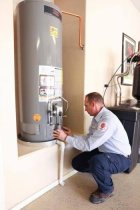
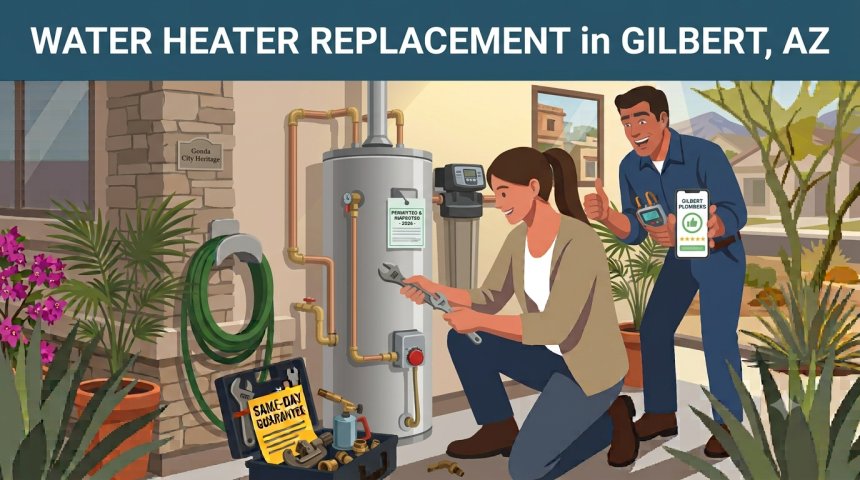
Water Heater Replacement in Gilbert, AZ
A reliable water heater is essential for comfortable daily living. When an existing water heater becomes unreliable, develops a serious leak, requires repeated repairs, or no longer provides sufficient hot water, replacement may become a practical option.
Professional water heater replacement in Gilbert, AZ involves more than simply removing an old appliance and installing a new one. The plumber must consider the property's hot water requirements, available space, existing plumbing connections, fuel or power source, venting requirements where applicable, and the type of water heater that best fits the property.
A professional evaluation can help homeowners compare replacement options and understand the installation process before making a decision.
When Should a Water Heater Be Replaced?
Not every water heater problem requires replacement.
However, replacement may be considered when the existing unit has significant problems or has become increasingly unreliable.
Common reasons include:
-
A leaking storage tank
-
Extensive corrosion
-
Frequent breakdowns
-
Repeated component failures
-
Insufficient hot water
-
Declining performance
-
Significant deterioration
-
Repair costs that are becoming impractical
-
An aging system that no longer meets household needs
The actual condition of the unit should be evaluated before replacement is recommended.
Signs Your Water Heater May Need Replacement
Water Around the Tank
An active leak from the tank itself can indicate serious internal deterioration.
Frequent Repairs
If the water heater repeatedly requires service, replacement may eventually become more practical.
Inadequate Hot Water
A household that consistently runs out of hot water may need a system with different capacity or technology.
Rust and Corrosion
Visible corrosion around important components can be a warning sign.
Strange Noises
Rumbling or popping sounds may be associated with sediment buildup in tank systems.
Inconsistent Temperature
Repeated temperature fluctuations can indicate system problems.
Age
Older units may become less reliable, although age alone does not automatically mean replacement is necessary.
Tank Water Heater Replacement
Tank-style water heaters store a supply of heated water.
They remain a common option for many homes.
When replacing a tank system, the plumber may consider:
-
Tank capacity
-
Household hot water demand
-
Available installation space
-
Existing connections
-
Energy source
-
Installation requirements
Choosing an appropriately sized unit is important.
A system that is too small may not meet demand, while an unnecessarily large system may increase costs without providing a proportional benefit.
Tankless Water Heater Replacement
Tankless systems heat water as it is needed instead of storing a large quantity in a tank.
Potential benefits can include:
-
On-demand hot water
-
Reduced standby losses compared with conventional storage
-
Compact equipment
-
Potentially long service life with appropriate maintenance
However, tankless systems also have specific installation and flow requirements.
A professional should determine whether the property's existing plumbing, electrical or gas service, and household demand are suitable.
Choosing the Right Water Heater Size
Water heater selection should be based on household demand rather than simply choosing the largest available unit.
A plumber may consider:
-
Number of occupants
-
Number of bathrooms
-
Shower usage
-
Laundry frequency
-
Dishwasher use
-
Simultaneous hot water demand
-
Existing system performance
Proper sizing helps ensure the replacement system can meet normal household needs.
Electric Water Heater Replacement
Electric water heaters use electrical heating elements.
During replacement, the plumber must consider the existing electrical connection, unit specifications, available space, plumbing connections, and applicable installation requirements.
Electrical work should be handled by appropriately qualified professionals.
Gas Water Heater Replacement
Gas water heater installation involves additional considerations such as gas connections, combustion, venting, clearances, and applicable safety requirements.
Because gas systems can present serious safety risks when improperly installed, professional installation is important.
If you smell gas, do not attempt to install, repair, or troubleshoot the appliance yourself.
Water Heater Installation Process
A typical replacement may involve several stages.
Step 1: Evaluate the Existing Unit
The plumber determines why replacement is being considered and assesses the existing installation.
Step 2: Determine Household Requirements
Hot water demand and available installation space are considered.
Step 3: Select the Replacement System
The homeowner and plumber determine whether a tank, tankless, electric, gas, or another suitable system is appropriate.
Step 4: Disconnect the Existing Unit
The old water heater is safely disconnected according to its type.
Step 5: Remove the Old Water Heater
The existing unit is removed from the property.
Step 6: Install the New System
The new water heater is positioned and connected.
Step 7: Check Plumbing and Safety Components
Connections, valves, and applicable components are inspected.
Step 8: Test the System
The new unit is tested to confirm proper operation.
Water Heater Replacement and Plumbing Connections
Replacing a water heater may reveal aging or damaged plumbing connections.
Flexible connectors, shutoff valves, drain lines, or other components may require attention depending on their condition.
The plumber should inspect the surrounding installation rather than assuming every existing component can simply be reused.
Water Heater Replacement Cost in Gilbert
Replacement costs vary based on several factors.
These can include:
-
Water heater type
-
Capacity
-
Brand and model
-
Installation complexity
-
Existing plumbing
-
Electrical or gas requirements
-
Venting requirements
-
Removal of the old unit
-
Location and accessibility
-
Additional modifications
Tankless installation can have different costs from conventional tank replacement because the installation requirements can differ.
Homeowners should request a detailed estimate and confirm what is included.
Should You Repair or Replace?
Repair may be reasonable when the water heater has a localized, manageable problem and the tank or primary system remains in good condition.
Replacement may make more sense when:
-
The tank is leaking.
-
Corrosion is extensive.
-
Breakdowns are frequent.
-
The unit is aging significantly.
-
Hot water performance is consistently poor.
-
Repair costs are becoming substantial.
A professional assessment can help compare the expected value of repair against replacement.
Benefits of Replacing an Old Water Heater
A new water heater can provide:
-
More reliable hot water
-
Improved performance
-
Better compatibility with household demand
-
Reduced risk of failure from an aging unit
-
Updated safety components
-
Potential efficiency improvements depending on the selected system
Actual performance and savings depend on the equipment, usage, installation, and utility conditions.
Preparing for Water Heater Replacement
Before installation, homeowners can clear access to the water heater area.
Remove stored items around the equipment.
Ensure the plumber can reach the unit safely.
Discuss hot water requirements.
Ask whether the replacement requires plumbing or electrical modifications.
Confirm whether old equipment removal is included.
Water Heater Replacement for Older Homes
Older homes may have existing plumbing, electrical, gas, or venting configurations that require evaluation before installing a modern water heater.
The replacement unit should be compatible with the property's infrastructure or the necessary modifications should be completed professionally.
Emergency Water Heater Replacement
A sudden tank failure can release a large quantity of water into a property.
If the water heater is actively leaking, homeowners should take reasonable steps to limit water damage when safe to do so.
Do not attempt unsafe gas or electrical work.
A professional plumber can determine whether an emergency replacement is required.
Water Heater Replacement and Water Damage
A failed storage tank can cause substantial water damage.
Water can affect:
-
Flooring
-
Walls
-
Cabinets
-
Storage areas
-
Nearby electrical components
-
Personal belongings
If a major leak occurs, rapid professional response can help reduce the duration of water exposure.
Maintenance After Replacement
A new water heater still requires proper care.
Follow manufacturer maintenance recommendations.
Monitor the unit for leaks.
Address unusual sounds or temperature changes.
Keep the installation area accessible.
For tankless systems, follow recommended descaling and maintenance procedures when applicable.
For tank systems, appropriate inspection and maintenance can help support reliable operation.
Questions to Ask Before Water Heater Installation
Homeowners should consider asking:
-
What type of water heater is recommended?
-
What capacity do I need?
-
Is tankless appropriate for my home?
-
Will existing plumbing need modification?
-
Are electrical changes required?
-
Are gas or venting changes required?
-
Does the price include removal of the old unit?
-
What installation work is included?
-
What maintenance will the new system require?
Tank vs. Tankless Water Heater
Both systems can be suitable, but they operate differently.
A tank water heater stores heated water and provides a ready supply.
A tankless system heats water as it passes through the unit.
Tankless systems can offer compact installation and on-demand heating, but they may require specific flow, electrical, gas, or installation conditions.
A plumber can evaluate which option fits the property's requirements.
Common Water Heater Replacement Mistakes
Choosing the Wrong Size
Capacity should match household demand.
Ignoring Existing Plumbing
Old connections may need inspection.
Choosing Only by Purchase Price
Installation requirements and long-term suitability should also be considered.
Skipping Professional Installation
Water heaters can involve electricity, gas, high temperatures, and pressurized water.
Ignoring Maintenance
Even a new system benefits from appropriate maintenance.
Why Professional Installation Matters
Proper installation is important for performance, safety, and reliability.
A professional plumber can assess the existing system, install the replacement according to applicable requirements, check connections, and test the equipment.
This is particularly important for gas-powered systems and installations involving electrical modifications.
Choosing a Water Heater Replacement Professional in Gilbert
Homeowners should choose a plumbing professional who can explain the available options and provide a clear installation scope.
The plumber should be able to assess the existing system, discuss capacity, explain installation requirements, and identify any necessary modifications.
Clear pricing and communication are also important for a major equipment replacement.
Final Thoughts
A water heater does not need to fail completely before replacement becomes a consideration. Frequent breakdowns, serious leaks, corrosion, inadequate hot water, and declining performance can all indicate that an existing system should be evaluated.
Professional water heater replacement in Gilbert, AZ can help homeowners select a system appropriate for their property's hot water requirements and existing plumbing infrastructure.
Whether you are considering a traditional tank water heater or a tankless system, professional assessment and installation can help ensure that the replacement is properly sized, connected, tested, and maintained.
If your current water heater is leaking, repeatedly failing, or no longer meeting your household's hot water needs, contact a qualified Gilbert plumbing professional for a replacement evaluation.