Toilet Installation & Replacement in Gilbert, AZ
A toilet is an essential plumbing fixture, and proper installation is important for reliable flushing, drainage, water supply, and leak prevention.
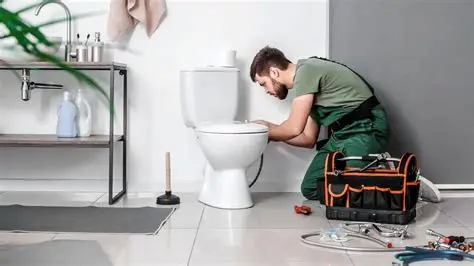
Whether you are remodeling a bathroom, replacing an old toilet, upgrading a damaged fixture, or installing a toilet in a newly constructed bathroom, professional toilet installation and replacement in Gilbert, AZ can help ensure that the fixture is correctly connected and tested.
Toilet replacement involves more than simply placing a new fixture in the same location. The toilet must be compatible with the existing drain connection, water supply, bathroom layout, and available space.
When Should You Replace a Toilet?
A toilet may need replacement when:
- The bowl or tank is cracked.
- The toilet leaks repeatedly.
- Internal components fail frequently.
- The toilet flushes poorly.
- Replacement parts are difficult to obtain.
- The fixture is outdated.
- A bathroom remodel is being completed.
- Homeowners want a different toilet design.
Toilet Installation for New Bathrooms
New bathroom construction requires proper planning.
The plumber may need to coordinate:
- Drain location
- Water supply
- Toilet position
- Bathroom layout
- Floor conditions
- Fixture dimensions
Correct rough-in measurements are important before purchasing a toilet.
Choosing the Right Toilet
Several factors should be considered.
Toilet Size
The toilet should fit the available bathroom space.
Rough-In Measurement
The distance between the finished wall and the toilet flange location should be compatible with the selected fixture.
Bowl Shape
Round and elongated bowls have different space requirements.
Height
Standard and comfort-height toilets can provide different user experiences.
Flush Design
Different toilets use different flushing technologies.
Bathroom Layout
Clearance around the toilet should be considered before installation.
Toilet Replacement Process
Step 1: Inspect the Existing Toilet
The plumber checks the fixture, water supply, flange, and surrounding area.
Step 2: Shut Off the Water
The water supply is safely turned off.
Step 3: Remove the Existing Toilet
The old fixture is carefully disconnected and removed.
Step 4: Inspect the Flange
The toilet flange and surrounding flooring are checked for damage.
Step 5: Prepare the Installation Area
The surface is prepared for the new fixture.
Step 6: Install the New Toilet
The toilet is positioned and secured according to installation requirements.
Step 7: Connect the Water Supply
The supply line is connected.
Step 8: Test the Toilet
The toilet is filled and flushed several times.
Step 9: Check for Leaks
Connections and the base are inspected.
Toilet Flange Problems
The toilet flange connects the toilet to the drainage system.
A damaged or improperly positioned flange can cause:
- Leaks
- Toilet movement
- Poor sealing
- Drainage problems
If the flange is damaged, it should be addressed before the new toilet is installed.
Toilet Wax Seal Replacement
A toilet requires a proper seal between the fixture and drain connection.
If the seal fails, water may leak around the base.
During replacement, the plumber can inspect the existing sealing area and install the appropriate new seal.
Toilet Installation on Uneven Flooring
Uneven flooring can affect toilet stability.
The installation surface should be evaluated so the fixture sits securely and seals properly.
If flooring damage is present, additional work may be necessary.
Toilet Installation for Bathroom Remodeling
A bathroom remodel may involve changing the toilet.
Before purchasing a new fixture, homeowners should confirm that:
- The toilet fits the available space.
- The drain location is compatible.
- The water supply is appropriately positioned.
- The selected design works with the bathroom layout.
Toilet Replacement for Older Homes
Older homes can have different plumbing configurations.
A professional can inspect the existing toilet connection before recommending a replacement.
In some situations, plumbing modifications may be required.
Dual-Flush and Other Toilet Options
Homeowners can choose from different toilet designs and flushing systems.
The appropriate option depends on:
- Bathroom usage
- Available space
- Water efficiency preferences
- Budget
- Plumbing configuration
Toilet Installation Cost in Gilbert, AZ
The cost of toilet installation or replacement varies.
Factors may include:
- Toilet model
- Installation complexity
- Existing flange condition
- Water supply connection
- Removal of the old toilet
- Disposal
- Flooring condition
- Required plumbing modifications
A basic replacement may have different requirements from an installation that requires plumbing changes.
Toilet Replacement and Water Leaks
A new toilet should be checked carefully for leaks after installation.
The plumber should inspect:
- Water supply connection
- Tank connections
- Base seal
- Flush components
- Drain connection
Testing helps identify installation problems before they cause damage.
Toilet Installation for Commercial Properties
Commercial bathrooms may have different requirements than residential bathrooms.
Factors can include:
- Higher usage
- Fixture durability
- Accessibility
- Plumbing capacity
- Building requirements
Commercial toilet installation should account for the property's specific needs.
Common Toilet Installation Mistakes
Incorrect Rough-In
A toilet that does not match the drain location may not fit correctly.
Poor Sealing
An improper seal can cause leaks.
Loose Installation
The fixture should be securely installed.
Incorrect Water Connection
The supply connection must be properly installed and checked.
Ignoring Flange Damage
Installing a new toilet over a damaged flange can lead to future problems.
Signs a Newly Installed Toilet Has a Problem
Contact a plumber if the new toilet:
- Leaks around the base.
- Rocks or moves.
- Does not flush correctly.
- Refills continuously.
- Has poor drainage.
- Develops a water supply leak.
These symptoms should be addressed promptly.
Toilet Installation Maintenance
Once installed, homeowners should:
- Avoid flushing unsuitable items.
- Check for leaks periodically.
- Repair running toilets.
- Avoid excessive force on the handle.
- Keep the toilet clean.
- Address slow flushing early.
Questions to Ask Before Toilet Replacement
Ask:
- Will this toilet fit the existing rough-in?
- Does the flange need repair?
- Is the existing supply line reusable?
- Is the toilet appropriate for the bathroom space?
- Is removal and disposal included?
- Will any flooring repair be necessary?
- How will the new toilet be tested?
Professional Toilet Installation in Gilbert
A properly installed toilet should sit securely, flush effectively, drain correctly, and remain free from leaks.
Professional toilet installation and replacement in Gilbert, AZ can help homeowners avoid common installation problems and ensure that the new fixture works correctly with the existing plumbing.
Whether you are replacing a cracked toilet, remodeling a bathroom, upgrading an older fixture, or installing a new bathroom toilet, professional plumbing installation can provide a reliable solution.
If you are planning a toilet replacement in Gilbert, arrange a professional evaluation to confirm the correct toilet size, connection requirements, and installation conditions before beginning the project.