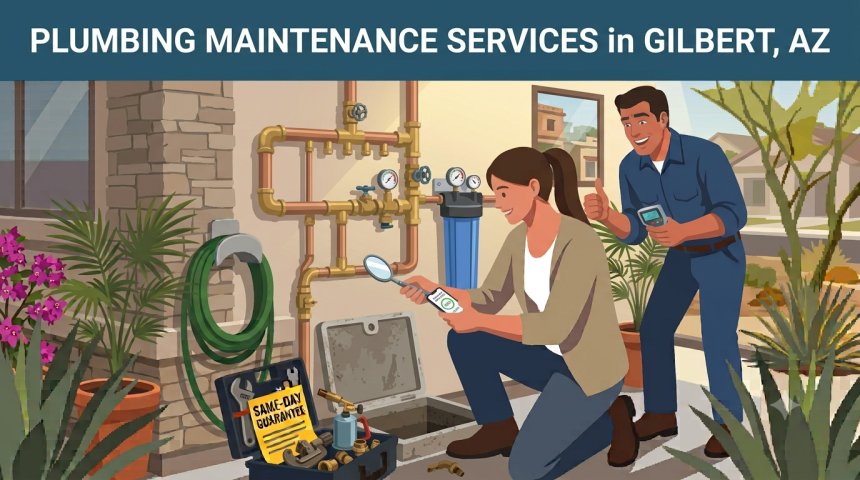
Plumbing Maintenance Services in Gilbert, AZ
Plumbing systems are used every day, but many homeowners and property managers do not think about them until something stops working. A leaking faucet, slow drain, running toilet, low water pressure, water heater problem, or damaged pipe can quickly become a larger plumbing issue when it is ignored.
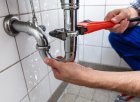
Regular plumbing maintenance provides a practical way to identify developing problems before they turn into expensive repairs. Professional plumbing maintenance services in Gilbert, AZ can help homeowners inspect important plumbing components, identify signs of wear, improve system performance, and address minor issues before they become emergencies.
A plumbing maintenance service is not limited to fixing one particular fixture. It can include checking pipes, drains, faucets, toilets, water heaters, shut-off valves, water pressure, sewer connections, outdoor plumbing, and other components throughout the property.
Whether you own a single-family home, rental property, office, retail building, or other commercial property, preventive plumbing maintenance can help keep the plumbing system operating reliably.
What Is Plumbing Maintenance?
Plumbing maintenance is the process of regularly inspecting, cleaning, testing, and servicing plumbing components to identify potential problems and maintain normal operation.
Unlike emergency plumbing repair, maintenance is performed before a major failure occurs. The purpose is to find conditions such as:
- Small or hidden leaks
- Corroded pipes
- Slow drains
- Weak water pressure
- Running toilets
- Worn-out valves
- Faucet leaks
- Water heater problems
- Sewer drainage issues
- Damaged supply lines
- Poorly functioning fixtures
- Signs of pipe deterioration
- Mineral buildup
- Water pressure irregularities
The exact maintenance checklist depends on the age, size, design, and condition of the plumbing system.
Why Regular Plumbing Maintenance Matters
A plumbing problem that appears minor can sometimes develop into significant property damage. For example, a small leak under a sink may continue unnoticed for weeks. A partially blocked drain can gradually become completely clogged. A water heater that shows early signs of failure may eventually stop providing hot water.
Routine maintenance allows these issues to be identified earlier.
Some important benefits include:
Early Problem Detection
Professional inspection can reveal developing problems before they become serious. Detecting a leaking connection or worn valve early may prevent a larger repair later.
Reduced Risk of Water Damage
Leaks from pipes, fixtures, toilets, or water heaters can damage floors, cabinets, walls, and other parts of a property. Regular inspection helps identify potential leak sources.
Better Plumbing Performance
Clean drains, properly functioning fixtures, appropriate water pressure, and well-maintained water heaters can help the plumbing system perform more efficiently.
Fewer Unexpected Emergencies
Maintenance cannot guarantee that a plumbing emergency will never happen, but it can reduce the chance of certain preventable problems being overlooked.
Longer Service Life
Proper maintenance may help plumbing fixtures and equipment remain functional for longer, depending on their age, condition, installation quality, and usage.
What Does a Plumbing Maintenance Service Include?
A professional plumbing maintenance visit can involve several checks throughout the property.
1. Plumbing Fixture Inspection
Plumbers can inspect commonly used fixtures such as:
- Kitchen faucets
- Bathroom faucets
- Toilets
- Showers
- Bathtubs
- Sinks
- Garbage disposals
- Outdoor hose bibs
- Water supply connections
The goal is to identify leaks, loose connections, damaged components, corrosion, or abnormal operation.
2. Leak Inspection
Even a small leak deserves attention.
During maintenance, accessible plumbing connections and fixtures can be checked for visible moisture, dripping, corrosion, or other signs of leakage.
Leaks may occur around:
- Faucets
- Toilets
- Supply lines
- Sink connections
- Water heaters
- Exposed pipes
- Washing machine connections
- Outdoor fixtures
Hidden leaks may require additional diagnostic methods when visible inspection does not reveal the source.
3. Drain Maintenance
Drains can gradually collect soap residue, grease, hair, food particles, and other materials.
Maintenance may include checking drains for:
- Slow drainage
- Recurring clogs
- Unusual odors
- Gurgling sounds
- Standing water
- Drain backups
If buildup is significant, professional drain cleaning may be recommended.
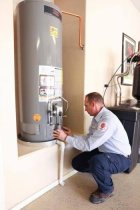
4. Water Heater Inspection
Water heaters are an important part of residential plumbing.
A maintenance inspection may involve checking accessible connections, signs of leakage, temperature-related concerns, sediment buildup indicators, and other visible conditions.
For traditional tank water heaters, maintenance requirements can differ from tankless systems. The manufacturer's recommendations should also be considered.
5. Water Pressure Check
Water pressure that is consistently too high or too low can indicate an underlying plumbing issue.
A plumber may check water pressure and inspect components that could contribute to pressure problems.
Possible causes of abnormal pressure include:
- Pressure regulator problems
- Partially closed valves
- Pipe restrictions
- Leaks
- Plumbing system issues
- Municipal supply conditions
Correct diagnosis is important because adjusting pressure without identifying the underlying cause may not solve the problem.
Plumbing Maintenance for Older Homes
Older homes can have plumbing components that have experienced years of use. Depending on the property's age and previous renovations, older plumbing systems may contain outdated fixtures, aging pipes, worn valves, or connections that need closer inspection.
Maintenance for an older property may focus on:
- Pipe condition
- Corrosion
- Water pressure
- Shut-off valves
- Drain performance
- Fixture connections
- Water heater condition
- Previous plumbing repairs
- Signs of recurring leaks
If repeated plumbing repairs are being performed on the same system, a plumber may recommend evaluating whether repair or replacement is more practical.
Plumbing Maintenance for Newer Homes
Newer homes also benefit from maintenance.
A newer plumbing system can still develop problems because of:
- Improper installation
- Fixture wear
- Accidental damage
- Clogs
- High water pressure
- Leaking connections
- Faulty components
- Heavy usage
Routine maintenance provides an opportunity to identify these problems while the system is still relatively new.
Signs Your Plumbing System Needs Maintenance
You may want to schedule a plumbing inspection if you notice one or more of the following signs:
- Drains are becoming slower
- Faucets drip continuously
- Toilets run after flushing
- Water pressure changes frequently
- Pipes make unusual noises
- There are unexplained wet spots
- Water bills increase unexpectedly
- Hot water runs out faster than usual
- There is a recurring drain clog
- The property has frequent plumbing repairs
- Water has an unusual appearance or odor
- A shut-off valve is difficult to operate
- There is visible corrosion around plumbing connections
A single symptom does not always identify the exact cause. Professional diagnosis can help determine whether maintenance, repair, cleaning, or replacement is appropriate.
Preventive Drain Maintenance
Drain problems are among the most common plumbing concerns.
Preventive drain care can help reduce unnecessary buildup. Homeowners should avoid putting inappropriate materials down sinks and toilets.
For kitchen drains, excessive grease, oils, fibrous food waste, and other unsuitable materials can contribute to blockages.
Bathroom drains commonly collect hair and soap residue.
Professional drain maintenance may be useful when a drain repeatedly becomes slow or clogged despite basic household cleaning.
Toilet Maintenance
Toilets contain several moving and sealing components that can wear over time.
Maintenance may include checking for:
- Continuous running
- Weak flushing
- Leaking tank components
- Loose connections
- Base leaks
- Unusual movement
- Frequent clogs
- Faulty fill valves
- Worn flappers
A toilet that runs continuously can waste water. A recurring clog may indicate a problem that requires more than simple plunging.
Faucet and Fixture Maintenance
Faucets may develop leaks because of worn cartridges, seals, washers, or other internal components.
Maintenance can identify:
- Dripping faucets
- Loose handles
- Poor water flow
- Leaking connections
- Corrosion
- Damaged supply lines
Depending on the fixture's age and condition, repair may be practical. In other cases, replacement may be more cost-effective.
Water Heater Maintenance
Water heater maintenance is particularly important because the equipment is used regularly and contains hot water under pressure.
Signs that deserve attention include:
- Water leaking around the unit
- Unusual noises
- Inconsistent hot water
- Water taking longer to heat
- Visible corrosion
- Unusual temperature changes
- Reduced hot water availability
Different water heater types have different maintenance requirements. Tankless systems, conventional tank systems, and other configurations should be serviced according to their design and manufacturer recommendations.
Shut-Off Valve Inspection
Shut-off valves are often ignored until there is a leak.
A working shut-off valve allows the water supply to a fixture or part of the plumbing system to be stopped when necessary.
During maintenance, accessible valves can be checked for:
- Difficulty operating
- Corrosion
- Leakage
- Damage
- Improper operation
Knowing where the property's main water shut-off valve is located is also important for emergencies.
Outdoor Plumbing Maintenance
Outdoor plumbing can experience different types of wear compared with indoor fixtures.
Maintenance may include checking:
- Hose bibs
- Outdoor faucets
- Irrigation-related plumbing
- Exposed water lines
- Exterior connections
A leaking outdoor faucet can waste water and may also indicate a worn valve or connection.
Sewer and Main Drain Maintenance
The plumbing system does not end at the indoor fixtures. Sewer and main drain components are also important.
Recurring backups, multiple slow drains, sewage odors, or gurgling may indicate a problem farther into the drainage system.
Depending on the symptoms, a plumber may recommend:
- Main sewer line cleaning
- Sewer camera inspection
- Hydro jetting
- Root removal
- Sewer repair
- Trenchless sewer services
The appropriate service depends on the actual condition of the sewer line.
Plumbing Maintenance for Rental Properties
Property owners and landlords have an additional reason to maintain plumbing systems: plumbing problems can affect tenants and property operations.
Routine maintenance can help identify problems such as:
- Leaking faucets
- Running toilets
- Slow drains
- Water heater issues
- Low water pressure
- Damaged supply lines
- Sewer drainage concerns
Keeping records of inspections and repairs can also help property owners understand recurring problems and plan future maintenance.
Commercial Plumbing Maintenance in Gilbert
Commercial properties often have more extensive plumbing systems and higher fixture usage than residential properties.
Depending on the building, commercial maintenance may involve:
- Restrooms
- Break rooms
- Commercial water heaters
- Drainage systems
- Supply lines
- Fixtures
- Backflow prevention equipment
- Main water lines
- Sewer connections
A preventive maintenance schedule can help businesses identify plumbing problems before they interrupt normal operations.
How Often Should Plumbing Maintenance Be Performed?
There is no single schedule that is suitable for every property.
Maintenance frequency can depend on:
- Property age
- Plumbing system age
- Number of occupants
- Water usage
- Number of fixtures
- Previous plumbing problems
- Pipe material
- Water heater type
- Commercial or residential use
- Local conditions
- Manufacturer recommendations
Some properties may benefit from an annual inspection, while properties with older systems, heavy usage, or recurring problems may require more frequent attention.
Plumbing Maintenance vs. Plumbing Repair
Maintenance and repair are related but different.
Maintenance focuses on inspection, prevention, cleaning, testing, and identifying developing issues.
Repair addresses an existing problem, such as:
- A broken pipe
- A leaking water heater
- A clogged sewer line
- A failed faucet cartridge
- A damaged toilet component
- A burst pipe
If maintenance identifies a problem, the plumber can explain the repair options and help determine the appropriate next step.
When Replacement May Be Better Than Repair
Not every plumbing component should be repaired indefinitely.
Replacement may be considered when:
- The component is severely damaged
- Repairs are becoming frequent
- Parts are difficult to obtain
- The equipment is near the end of its expected service life
- Repair costs are becoming unreasonable
- The existing system no longer meets the property's needs
A professional evaluation can help compare repair and replacement options.
How Much Does Plumbing Maintenance Cost in Gilbert, AZ?
The cost of plumbing maintenance varies depending on the scope of the service.
Factors that can affect pricing include:
- Property size
- Number of fixtures
- Plumbing system condition
- Number of problems discovered
- Type of inspection required
- Drain or sewer cleaning needs
- Water heater type
- Accessibility of plumbing components
- Repairs required after inspection
A basic maintenance visit may be different from a comprehensive plumbing inspection combined with drain cleaning or equipment service.
For an accurate estimate, the plumbing company should evaluate the actual property and explain the recommended work before proceeding.
How to Prepare for a Plumbing Maintenance Visit
Homeowners can make the inspection easier by:
- Identifying any recurring plumbing problems.
- Noting which drains are slow.
- Checking for visible leaks.
- Locating the main water shut-off valve.
- Mentioning unusual water pressure.
- Providing information about previous repairs.
- Sharing concerns about the water heater.
- Keeping access areas around plumbing equipment clear.
This information can help the plumber understand the property's history and focus on areas that need attention.
What Happens During a Professional Plumbing Maintenance Visit?
The exact process depends on the property, but a typical visit may include:
Step 1: Discuss Plumbing Concerns
The plumber asks about current symptoms, previous repairs, recurring problems, and other concerns.
Step 2: Inspect Plumbing Fixtures
Common fixtures and accessible connections are checked for visible issues.
Step 3: Check Water Supply Components
Accessible supply lines, valves, and related components may be inspected.
Step 4: Evaluate Drainage
Drains are checked for slow flow, recurring blockages, or other warning signs.
Step 5: Inspect Water Heater
The water heater is checked for visible problems and signs that further service may be needed.
Step 6: Identify Recommended Repairs
If a problem is discovered, the plumber can explain the condition and available options.
Step 7: Provide Maintenance Recommendations
The homeowner may receive recommendations for future inspections, cleaning, repairs, or replacement.
Why Choose Professional Plumbing Maintenance?
DIY maintenance can handle simple tasks such as cleaning a faucet aerator or removing visible hair from a drain. However, many plumbing problems require professional diagnosis.
A professional plumber has the tools and experience to inspect plumbing systems and determine whether a symptom is caused by a fixture problem, pipe issue, pressure problem, drain blockage, or another condition.
Professional maintenance is especially useful when:
- Problems keep returning
- A leak cannot be located
- Multiple drains are slow
- Water pressure is abnormal
- The water heater behaves differently
- Pipes show corrosion
- The property has an older plumbing system
- Sewer problems are suspected
Frequently Asked Questions
How often should I schedule plumbing maintenance?
Many homeowners schedule plumbing maintenance approximately once a year, but the ideal frequency depends on the property's age, plumbing condition, usage, and previous problems.
Can plumbing maintenance prevent leaks?
Maintenance cannot prevent every leak, but regular inspection can identify worn components, corrosion, loose connections, and other conditions before they result in a major failure.
Is plumbing maintenance necessary for a new house?
Yes. New plumbing systems can still experience leaks, installation issues, clogs, fixture problems, or pressure concerns. Regular inspection helps confirm that the system continues to operate properly.
Does plumbing maintenance include drain cleaning?
It can, depending on the service package and the condition of the drains. If significant buildup or recurring clogs are discovered, professional drain cleaning may be recommended separately.
Should I maintain my water heater?
Yes. Water heaters require attention based on their type, age, usage, and manufacturer recommendations. Professional inspection can identify visible leaks, corrosion, performance issues, and other concerns.
What are the signs of a plumbing leak?
Common warning signs include unexplained moisture, dripping sounds, water stains, mold or mildew growth, unusually high water usage, damp cabinets, and wet areas around fixtures or pipes.
Can maintenance help with low water pressure?
It may. A plumber can inspect pressure and look for possible causes such as valves, regulators, leaks, pipe restrictions, or other plumbing problems.
Is plumbing maintenance different for commercial properties?
Yes. Commercial buildings often have larger and more heavily used plumbing systems. Maintenance requirements depend on the type and size of the property.
Can regular maintenance reduce plumbing emergencies?
Preventive maintenance can reduce the likelihood of some avoidable failures by identifying developing problems earlier, although no maintenance program can eliminate every emergency.
How do I know whether to repair or replace a plumbing component?
The decision depends on the component's age, condition, repair history, availability of parts, performance, and expected remaining service life. A professional evaluation can help compare the options.
Schedule Plumbing Maintenance in Gilbert, AZ
A plumbing system works continuously, even when there is no obvious problem. Regular maintenance can help identify leaks, drainage problems, worn fixtures, water heater concerns, pressure issues, and other developing conditions before they become more disruptive.
Whether you need routine residential maintenance, commercial plumbing maintenance, a plumbing inspection, drain service, or evaluation of an existing plumbing problem, professional service can help keep your system functioning properly.
If you are noticing recurring plumbing issues or simply want to take a preventive approach, consider scheduling plumbing maintenance services in Gilbert, AZ. Early attention can make it easier to understand the condition of your plumbing system and plan repairs or replacements when they are actually needed.