Why Does My Drain Smell Like Sewage?
Sewage smell from your drain? Discover common causes like dry P-traps, clogged vents, and broken pipes. Expert tips for Gilbert homeowners. Call 844 833 2093.
What Causes That Sewage Smell?
The "rotten egg" odor you smell is typically hydrogen sulfide gas—a byproduct of decomposing organic matter in your plumbing system . When organic materials like food, hair, soap, or waste accumulate in drains, bacteria break them down in an oxygen-deprived environment, producing this distinctive smell .
Sewer gas is a mixture that includes:
While low-level exposure isn't immediately dangerous, high concentrations can cause health issues like nausea, dizziness, and respiratory irritation .
Common Causes of Sewer Gas Odors
1. Dry P-Trap (Most Common)
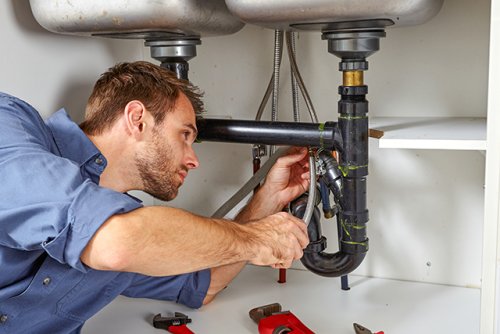
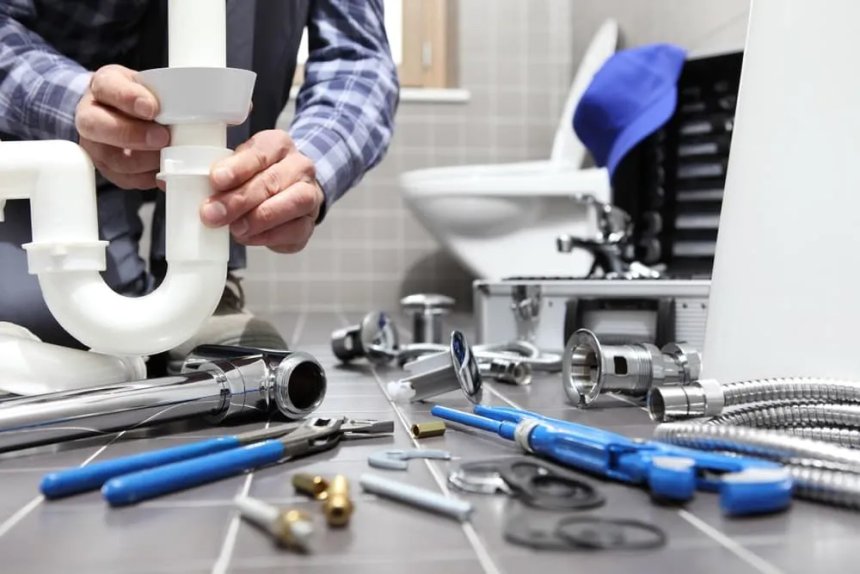
Every plumbing fixture has a P-trap—the curved pipe under your sink or in your toilet that holds water. This water creates a seal that blocks sewer gas from entering your home .
Why it happens: If a sink, shower, or floor drain isn't used regularly, the water in the trap evaporates. The seal breaks, and sewer gas flows freely into your home .
Solution: Simply run water down the drain for a few seconds to refill the trap. For floor drains that rarely see water, pour a bucket of water down periodically . This is especially common in Gilbert homes with guest bathrooms or basement floor drains.
2. Clogged Plumbing Vent
Your plumbing system includes vent pipes that extend through your roof. These vents allow air into the system so water flows properly and sewer gases escape outside. When a vent is blocked—by debris, leaves, animal nests, or ice—air pressure becomes unbalanced .
Warning signs: Along with sewage odors, you may notice gurgling sounds from drains, slow drainage, or toilets that bubble when other fixtures are used .
Solution: A blocked vent requires professional cleaning or repair. Never attempt to clear a roof vent yourself—it's dangerous and requires specialized equipment.
3. Clogged or Damaged Drain Pipes
When organic matter—food scraps, hair, soap scum, grease—builds up inside pipes, it creates an environment where bacteria thrive and produce foul gases .
In Gilbert: Hard water mineral buildup accelerates this process, narrowing pipe interiors and catching debris .
4. Broken or Cracked Sewer Pipes
If your sewer line is cracked, broken, or has separated at a joint, sewer gas can escape into the soil and seep through your foundation into your home . This is particularly common in Gilbert homes with aging pipes or those built on expansive clay soil that shifts with moisture changes.
5. Leaking Toilet Wax Seal
The wax seal under your toilet creates a watertight and airtight connection to the drain pipe. If this seal fails—common in older homes or if the toilet has shifted—sewer gas can escape .
Check: If you notice a sewage smell concentrated near your toilet base, the wax seal may be the culprit.
How to Diagnose the Source
Step 1: The Glass Test
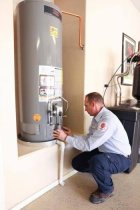
Fill a glass with cold water from the faucet and step away from the sink. Smell the water itself. If the water smells fine but the drain area smells, the problem is in the drain plumbing. If the water itself smells, the issue may be with your water heater .
Step 2: Check the P-Trap
Pour a cup of water down every drain in your home—including floor drains, guest bathrooms, and basement sinks. If the smell disappears, you've found the problem .
Step 3: Look for Gurgling Sounds
Flush a toilet and listen to nearby drains. If you hear gurgling or bubbling, a blocked plumbing vent is likely the cause .
Step 4: Inspect the Toilet Base
Check for water pooling or discoloration around the toilet base, which may indicate a failed wax seal .
DIY Solutions vs. When to Call a Professional
When You Can Fix It Yourself
-
Mild organic buildup: Try a baking soda and vinegar treatment (pour ½ cup baking soda, then ½ cup vinegar; let sit 20 minutes; flush with hot water)
-
Clean overflow holes: Use a small brush to clean overflow openings in sinks
When to Call a Professional Plumber
Call Plumber Gilbert immediately if:
-
Multiple drains smell or you have other warning signs like slow drainage throughout the house
-
The smell persists after you've refilled traps
-
You suspect a broken pipe or cracked sewer line
-
Family members experience symptoms like nausea, dizziness, or headaches
-
You have an older home with original plumbing (especially homes built before 1995 with Polybutylene pipes)
Sewer Gas Health Risks
While the smell is often the most noticeable issue, sewer gas exposure can have health consequences:
Mild exposure symptoms:
Severe exposure (rare in homes):
Important: If you suspect a large gas leak and experience severe symptoms, evacuate immediately and call 911.
Why Gilbert Homes Face Unique Risks
Hard Water: Arizona's hard water causes mineral buildup inside pipes, narrowing passages and creating rough surfaces where debris accumulates faster .
Expansive Soil: Gilbert's clay soil expands when wet and contracts in dry spells, stressing underground pipes and creating cracks where sewer gas can escape.
Aging Infrastructure: Many Gilbert homes were built during growth phases in the 1980s–2000s and may have original plumbing approaching or past its expected lifespan.
Frequently Asked Questions
Q1: Why does my drain smell like sewage only sometimes?
If the smell comes and goes, a dry P-trap is likely the cause. When water runs through the trap, it seals. When the water evaporates again, the smell returns. This is common in guest bathrooms or floor drains that aren't used often.
Q2: Is sewer gas dangerous?
At low levels, sewer gas is primarily an odor nuisance. However, hydrogen sulfide can be toxic at higher concentrations. Methane is also flammable. If you smell gas and experience symptoms like nausea or dizziness, call a professional immediately .
Q3: Why does my hot water smell like sewage but my cold water doesn't?
This indicates bacterial growth inside your water heater. If your water heater is set below 120°F, bacteria can thrive. Flush your water heater and increase the temperature to 120°F to kill bacteria .
Q4: How do I fix a dry P-trap?
Simply run water down the drain for a few seconds. For floor drains, pour a bucket of water down periodically. This is the easiest and most common fix for sewage odors .
Q5: What are signs of a clogged plumbing vent?
Gurgling sounds from drains or toilets when water runs, slow drainage, bubbling water in fixtures, and sewer odors entering your home. If multiple fixtures are affected simultaneously, suspect a vent blockage .
Q6: Can tree roots cause sewage smells?
Yes—tree roots can crack or enter sewer lines, allowing gases to escape. In Gilbert, older neighborhoods with mature trees are especially vulnerable. If you have a sewage smell and unexplained green patches in your yard, roots may be the cause .
Q7: How much does it cost to fix a sewer gas problem in Gilbert?
Costs vary widely:
-
Dry P-trap: Free (just add water)
-
Drain cleaning: $130–$378
-
Clogged vent cleaning: $200–$500
-
Sewer line repair: $432–$1,620 or more
Contact us for a free estimate specific to your situation.
Q8: Will a store-bought drain cleaner fix the smell?
Not usually. Chemical drain cleaners can temporarily mask odors but often damage pipes and don't address the root cause. They're especially harmful to Gilbert's aging galvanized pipes. Professional diagnosis is safer and more effective.
Get Professional Help in Gilbert
At Plumber Gilbert, we specialize in diagnosing and eliminating sewer gas odors. Our licensed technicians use advanced equipment, including video camera inspections, to find the exact source of your plumbing problem.
Why Choose Us?
-
Licensed & Insured — Fully compliant with Arizona regulations
-
24/7 Emergency Service — Available around the clock
-
Upfront Pricing — Clear estimates before work begins
-
Advanced Technology — Camera inspections and leak detection