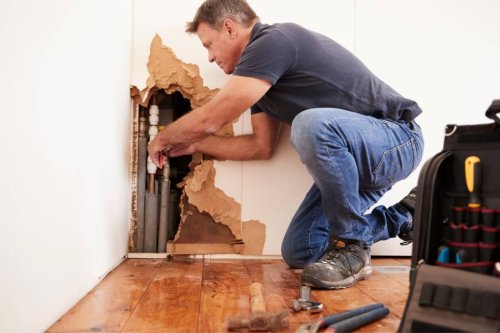
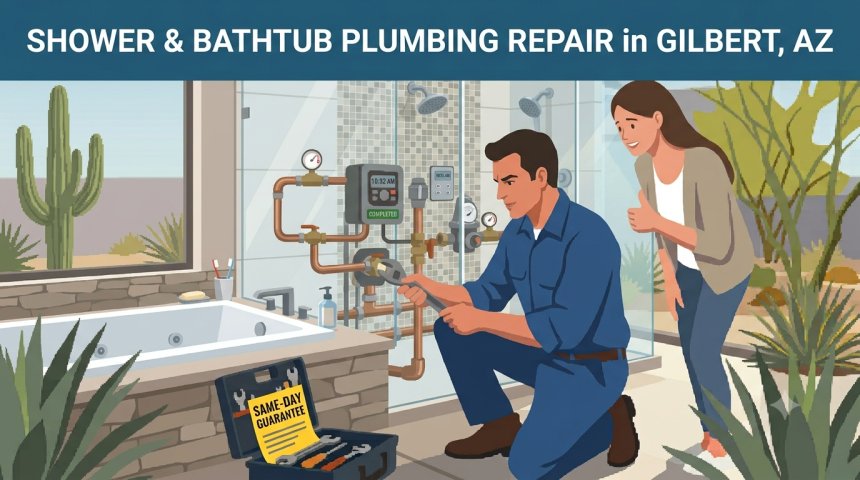
Shower & Bathtub Plumbing Repair in Gilbert, AZ
Showers and bathtubs are essential bathroom fixtures used every day. When a shower drain becomes clogged, a bathtub faucet starts leaking, water pressure drops, or a hidden plumbing connection begins leaking, the problem can quickly become frustrating and potentially damaging. Professional shower and bathtub plumbing repair in Gilbert, AZ can help diagnose these issues and restore proper bathroom plumbing operation.
Shower and bathtub plumbing systems include more than the visible fixture. Behind the wall and beneath the tub may be supply pipes, valves, drainpipes, traps, connections, and other components. A problem with any of these parts can affect water flow, drainage, temperature control, or the condition of the surrounding bathroom.
The right repair depends on the specific symptoms, the condition of the plumbing, the location of the problem, and whether the issue can be repaired or requires replacement.
Common Shower and Bathtub Plumbing Problems
Homeowners may experience several different plumbing problems with showers and bathtubs.
Common issues include:
- Slow shower drainage
- Completely clogged tub drains
- Leaking showerheads
- Dripping bathtub faucets
- Leaking shower valves
- Low water pressure
- Temperature fluctuations
- Water leaking behind the wall
- Tub drain leaks
- Damaged supply connections
- Broken handles
- Shower diverter problems
- Unusual plumbing noises
- Standing water in the bathtub
- Sewer odors from drains
Some problems are relatively simple, while others may indicate an issue deeper within the plumbing system.
Shower Drain Repair
A shower drain that empties slowly can be an early sign of buildup or blockage.
Common causes include:
- Hair
- Soap residue
- Mineral buildup
- Dirt
- Foreign objects
- Drainpipe buildup
If a shower drain becomes completely blocked, standing water may remain in the shower basin. This can interfere with normal use and may create an environment where odors and buildup develop.
Professional drain cleaning can help remove the blockage and determine whether there is a deeper drainage issue.
Bathtub Drain Repair
Bathtub drains can develop similar problems. Hair, soap, and other debris can accumulate inside the drain system.
Signs of a bathtub drain problem include:
- Slow drainage
- Standing water
- Gurgling sounds
- Unpleasant odors
- Repeated clogging
- Water backing up
If a bathtub repeatedly becomes clogged after cleaning, professional inspection may be necessary.
Shower Faucet Repair
A shower faucet controls water flow and temperature. Depending on the plumbing design, it may include cartridges, valves, handles, seals, and other internal components.
Common shower faucet problems include:
- Dripping water
- Difficult-to-turn handle
- Temperature control problems
- Water leaking around the handle
- Reduced flow
- Failure to shut off completely
A plumber can inspect the faucet and determine whether an internal component can be repaired or whether the valve or fixture needs replacement.
Bathtub Faucet Repair
Bathtub faucets may develop leaks around the spout, handles, or connections.
Potential causes include:
- Worn seals
- Damaged cartridges
- Loose connections
- Corrosion
- Worn washers
- Valve problems
Ignoring a dripping bathtub faucet can waste water and may indicate that internal components are deteriorating.
Shower Valve Repair
The shower valve controls the supply and mixing of hot and cold water. A valve problem can cause temperature fluctuations, low flow, or continuous dripping.
A faulty valve may require internal component replacement or, depending on its condition, complete replacement.
Because shower valves can be located behind walls, professional diagnosis is particularly important when the problem involves concealed plumbing.
Shower Diverter Repair
A diverter directs water between different outlets, such as a tub spout and showerhead.
A damaged diverter may cause:
- Water coming from both outlets
- Weak shower flow
- Difficulty switching between outlets
- Water continuing to flow from the wrong outlet
The appropriate repair depends on the diverter design and its condition.
Low Water Pressure in the Shower
Low shower pressure can be caused by several factors.
Possible causes include:
- Clogged showerhead
- Mineral deposits
- Partially closed valve
- Supply line restriction
- Faulty shower valve
- Broader water pressure problem
If only the shower is affected, the issue may be localized. If multiple fixtures have low pressure, the plumbing system may require broader inspection.
Leaking Shower Plumbing
A shower leak can occur at visible or concealed locations.
Visible signs may include:
- Water around the shower valve
- Damp walls
- Water stains
- Loose fixtures
- Persistent dripping
- Water appearing outside the shower area
A hidden shower leak can be more difficult to detect. Professional leak detection may help determine whether water is escaping behind the wall or beneath the bathroom floor.
Showerhead Replacement and Repair
A leaking or poorly functioning showerhead may be caused by:
- Mineral buildup
- Damaged threads
- Worn seals
- Loose connection
- Internal fixture damage
Sometimes cleaning or replacing a small component is sufficient. In other cases, replacing the showerhead is more practical.
Bathtub Spout Repair
A bathtub spout may leak, become loose, or develop corrosion.
Problems may include:
- Water dripping from the spout
- Loose spout
- Diverter failure
- Corroded connection
- Water leaking behind the wall
If water is leaking behind the spout or wall, prompt inspection is recommended to reduce the possibility of hidden water damage.
Shower Drain Clog Removal
Professional drain cleaning may be appropriate when basic maintenance does not resolve the blockage.
Depending on the situation, a plumber may use:
- Drain snake
- Mechanical cleaning equipment
- Hydro jetting
- Drain inspection
- Camera inspection
The method selected depends on the severity and location of the obstruction.
Water Leaking Around a Bathtub
Water around a bathtub does not always originate from the drain.
Possible sources include:
- Faucet connections
- Tub drain
- Overflow assembly
- Supply pipes
- Shower valve
- Caulking or waterproofing issues
A plumbing inspection can help determine whether the problem is related to plumbing or another bathroom component.
Emergency Shower and Bathtub Plumbing
Some bathroom plumbing problems require prompt attention.
Examples include:
- Major concealed leaks
- Burst supply pipe
- Uncontrollable water flow
- Severe drain backup
- Water entering walls or floors
- Wastewater backing up into the tub
- Significant water damage
If a major leak is occurring, the water supply should be shut off when safe and accessible, and professional help should be contacted.
Shower and Bathtub Plumbing Installation
Professional plumbing service can also assist with new shower and bathtub installations.
Installation may involve:
- Connecting water supply lines
- Installing valves
- Connecting drainpipes
- Installing tub drains
- Connecting shower fixtures
- Testing water flow
- Checking for leaks
The exact requirements depend on the bathroom layout, fixture design, and existing plumbing.
Shower or Bathtub Replacement
A shower or bathtub may eventually require replacement because of:
- Cracks
- Structural damage
- Severe corrosion
- Persistent leaks
- Outdated plumbing components
- Bathroom remodeling
- Repeated repair requirements
Replacement planning should consider both the fixture and the plumbing connections serving it.
Signs You Need Professional Shower or Tub Repair
Contact a plumbing professional if you notice:
- Persistent dripping
- Slow drainage
- Standing water
- Low shower pressure
- Water temperature problems
- Leaks around fixtures
- Damp walls
- Water stains
- Repeated drain clogs
- Sewer odors
- Broken handles
- Water appearing outside the tub or shower
Early diagnosis can help prevent a minor plumbing problem from becoming a larger repair.
Repair vs. Replacement
Repair may be appropriate when the problem involves a replaceable internal component or isolated connection.
Replacement may be considered when:
- The fixture is severely damaged
- Corrosion is extensive
- Parts are unavailable
- The plumbing component repeatedly fails
- Repair is no longer economical
- The homeowner is remodeling the bathroom
A professional evaluation can help determine the most suitable option.
Cost Factors
Shower and bathtub plumbing costs vary depending on:
- Type of plumbing problem
- Fixture design
- Location of the leak
- Accessibility
- Required parts
- Labor
- Drain blockage severity
- Whether walls need access
- Whether replacement is necessary
A proper diagnosis is generally required before an accurate repair estimate can be provided.
Preventive Maintenance
Homeowners can reduce some shower and bathtub plumbing problems by:
- Cleaning drain screens
- Removing hair from drains
- Addressing slow drainage early
- Checking visible connections
- Monitoring water pressure
- Cleaning showerheads
- Repairing dripping faucets
- Watching for water stains
- Avoiding inappropriate items in drains
Regular attention can help catch problems before they become major repairs.
Frequently Asked Questions
Why is my shower draining slowly?
Hair, soap, mineral buildup, and other debris can restrict the shower drain. Recurring clogs may indicate a deeper drainage problem.
Why does my bathtub faucet keep dripping?
A dripping faucet may have a worn cartridge, washer, seal, or valve component. The exact cause depends on the faucet design.
Why is my shower pressure low?
A clogged showerhead, restricted valve, supply problem, or broader water pressure issue may cause low shower pressure.
Can a plumber repair a shower valve?
Yes. A plumber can inspect the valve and determine whether an internal component can be repaired or whether the valve needs replacement.
What should I do if water is leaking behind my shower wall?
If you suspect a concealed plumbing leak, avoid using the affected fixture when possible and arrange professional inspection. A hidden leak can cause damage to walls and surrounding materials.
How can I prevent shower drain clogs?
Using a drain screen and regularly removing hair and debris can reduce the likelihood of buildup.
Conclusion
A shower or bathtub plumbing problem can affect comfort, water usage, drainage, and the condition of the bathroom. Shower and bathtub plumbing repair in Gilbert, AZ can address clogged drains, leaking faucets, shower valve problems, low pressure, diverter issues, hidden leaks, and other bathroom plumbing concerns.
Professional diagnosis helps identify whether a component should be repaired, cleaned, replaced, or further inspected. Prompt attention is especially important when water is leaking behind walls or floors or when wastewater is backing up into the bathroom.