Gas Line Repair in Gilbert, AZ
Natural gas and other fuel-gas systems require careful installation, inspection, maintenance, and repair. A damaged gas line or suspected gas leak should be treated seriously because improper handling can create significant safety risks.
Professional gas line repair in Gilbert, AZ can help property owners address damaged gas piping, appliance connections, leaks, corrosion, and other gas-line concerns.
Gas piping can serve appliances such as:
- Water heaters
- Gas ranges
- Dryers
- Furnaces
- Fireplaces
- Outdoor cooking equipment
- Other approved gas appliances
Gas line work should be performed by appropriately qualified professionals and according to applicable safety and building requirements.
Gas Line Problems That Require Attention
Potential gas-line concerns include:
- Suspected gas leaks
- Damaged gas piping
- Corroded components
- Loose connections
- Damaged appliance connectors
- Improperly supported piping
- Gas appliance connection problems
- Pressure-related concerns
- Aging gas lines
- Gas line replacement needs
Because gas systems can present serious hazards, homeowners should not attempt to diagnose or repair a suspected leak themselves.
What to Do If You Smell Gas
If you smell gas or strongly suspect a gas leak:
- Leave the area immediately.
- Avoid creating flames or sparks.
- Do not operate electrical switches or appliances inside the affected area.
- Move to a safe location.
- Contact the gas utility or emergency services as appropriate.
- Arrange for qualified inspection and repair.
Do not attempt to locate or repair a suspected gas leak yourself.
Signs of a Possible Gas Leak
Possible warning signs can include:
- Strong unusual gas odor
- Hissing sound near gas piping
- Damaged gas line
- Unexplained appliance shutdown
- Unusual gas usage
- Physical deterioration around gas piping
Not every gas-line problem produces obvious symptoms, which is why professional inspection can be important when concerns arise.
Gas Line Inspection
A professional gas-line inspection may evaluate:
- Visible gas piping
- Appliance connections
- Shut-off valves
- Pipe condition
- Connections
- Supports
- Accessible fittings
- Signs of damage or corrosion
Additional testing may be appropriate depending on the situation and applicable requirements.
Gas Line Leak Detection
When a leak is suspected, the priority is safety.
A qualified professional can use appropriate procedures and equipment to identify a leak and determine where repair is needed.
The exact detection method depends on the location and configuration of the gas system.
Gas Appliance Connections
Gas appliances require appropriate connections and shut-off components.
Examples include:
- Gas ranges
- Water heaters
- Dryers
- Furnaces
- Fireplaces
A professional can inspect the connection between the appliance and the gas piping when a problem is suspected.
Gas Line Repair
Repair requirements depend on the location and severity of the problem.
Potential work may include:
- Replacing damaged sections
- Replacing faulty fittings
- Repairing appropriate connections
- Replacing damaged appliance connectors
- Correcting certain installation problems
- Replacing deteriorated piping
The repair method should comply with applicable safety requirements.
Gas Line Replacement
Replacement may be necessary when:
- Piping is significantly damaged.
- Corrosion is extensive.
- The existing configuration is no longer suitable.
- Multiple sections have problems.
- A qualified professional determines replacement is more appropriate than repair.
The replacement system should be designed and installed for the intended gas appliances and property requirements.
Gas Line Repair During Remodeling
Home remodeling can involve moving or adding gas appliances.
Examples include:
- Relocating a kitchen range
- Adding an outdoor gas appliance
- Installing a gas fireplace
- Reconfiguring a laundry area
- Replacing a gas water heater
Gas piping changes should be planned before construction and completed by qualified professionals.
Gas Line Installation for New Appliances
Adding a new gas appliance may require an appropriate gas connection.
Before installation, a professional may evaluate:
- Existing gas piping
- Appliance requirements
- Shut-off location
- Connector compatibility
- Available gas supply
- Overall system configuration
The appliance and gas piping must be compatible and installed according to applicable requirements.
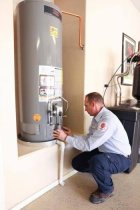
Gas Water Heater Connections
Gas water heaters require both plumbing and gas connections.
A professional installation or repair may involve inspecting:
- Gas shut-off valve
- Gas connector
- Gas piping
- Water connections
- Venting components
- Appliance condition
Gas and venting concerns should be handled by qualified professionals.
Outdoor Gas Lines
Outdoor gas appliances can include:
- Grills
- Fire features
- Outdoor kitchens
- Patio heaters
- Other approved appliances
Outdoor gas piping should be installed and protected appropriately for its location.
Gas Line Problems in Older Homes
Older homes may have aging gas piping or connections.
Potential warning signs include:
- Visible corrosion
- Outdated components
- Repeated appliance connection problems
- Unusual odors
- Damaged piping
An inspection can help determine whether the existing system remains suitable.
Gas Pressure Concerns
Gas appliances require appropriate gas pressure for proper operation.
If an appliance is not operating correctly, the issue may involve the appliance itself, gas supply, regulator, or another component.
Gas pressure should be evaluated by an appropriately qualified professional using safe testing procedures.
Gas Line Safety
Homeowners should:
- Know where the gas shut-off is located when appropriate.
- Never modify gas piping themselves.
- Never ignore a suspected gas odor.
- Avoid using damaged gas appliances.
- Have gas work performed by qualified professionals.
- Follow manufacturer safety instructions.
- Arrange professional inspection when gas-line concerns arise.
Gas Line Repair vs. Replacement
Repair may be appropriate when the problem is localized and the existing piping remains suitable.
Replacement may be more practical when:
- Several sections are deteriorated.
- Piping has significant corrosion.
- The system has repeated failures.
- Major remodeling requires a different configuration.
- Existing components are no longer suitable.
A professional evaluation can help determine the appropriate approach.
Gas Line Emergency Service
A suspected gas leak should be treated as an emergency.
Do not attempt to repair the line yourself. Leave the affected area and contact the appropriate emergency or utility service.
Once the area has been made safe, qualified professionals can evaluate the gas system and determine what repairs are required.
Gas Line Repair Cost Factors
Gas-line repair costs vary according to:
- Location of the damaged line
- Pipe material
- Extent of damage
- Accessibility
- Number of affected components
- Appliance connections
- Replacement requirements
- Remodeling requirements
- Required inspections
- Labor
A professional assessment is necessary for an accurate estimate.
Frequently Asked Questions
What should I do if I smell gas?
Leave the area immediately, avoid flames and sparks, and contact the gas utility or emergency services as appropriate. Do not attempt to locate or repair the leak yourself.
Can I repair a gas line myself?
Gas-line repairs should not be treated as a DIY project. Use an appropriately qualified professional.
What appliances use gas lines?
Depending on the property, gas lines may supply water heaters, ranges, dryers, furnaces, fireplaces, outdoor appliances, and other approved equipment.
How do I know if my gas line is damaged?
A gas odor, hissing sound, visible damage, corrosion, or appliance problems may indicate a concern. Suspected leaks require immediate safety action and professional evaluation.
Can a gas line be replaced?
Yes. Depending on the condition and configuration, damaged or unsuitable gas piping may be replaced by a qualified professional.
Does remodeling require gas line changes?
It may, particularly when relocating or adding gas appliances. The required work depends on the project and existing gas piping.
Can gas pressure affect appliance performance?
Yes. Appliances require appropriate gas supply conditions. If an appliance behaves abnormally, qualified inspection can help identify whether the problem is related to gas supply or the appliance itself.
Is gas line repair an emergency?
A suspected gas leak is an emergency and should be handled immediately. Leave the area and contact the appropriate emergency or utility service.
Conclusion
Professional gas line repair in Gilbert, AZ should always prioritize safety and proper diagnosis. Gas piping problems can involve leaks, damaged connections, corrosion, appliance connections, or larger system issues.
If you smell gas or strongly suspect a leak, do not attempt to troubleshoot or repair the line yourself. Leave the area, avoid flames and electrical sparks, and contact the appropriate gas utility or emergency service. For non-emergency gas piping concerns, use an appropriately qualified professional for inspection, repair, or replacement.