Do You Need a Water Softener in Gilbert, AZ
Wondering if you need a water softener in Gilbert, AZ? Explore hard water facts, pros, cons, realistic installation costs, and expert plumbing advice.
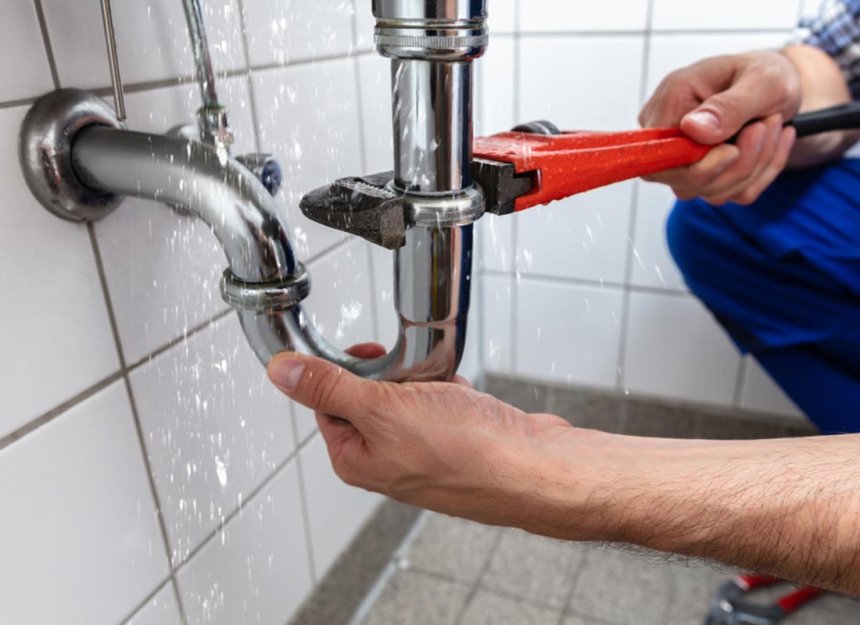
Do You Need a Water Softener in Gilbert, AZ? Pros, Cons & Costs
If you live or operate a business in Gilbert, Arizona, you already know the telltale signs of local tap water: chalky white film crusting over showerheads, cloudy glass dishware fresh out of the dishwasher, dry skin after a quick morning shower, and water heaters that rumble like a cement mixer long before their expected expiration date.
The question isn't whether Gilbert's tap water is hard—it is undeniably among the hardest municipal water supplies in the United States. The real question is: Do You Need a Water Softener in Gilbert, AZ? Pros, Cons & Costs are important to consider before making an investment for your home or commercial property.
In this guide, we break down the reality of Gilbert’s water quality, how severe mineral buildup damages domestic plumbing infrastructure, the honest trade-offs of installing a soft water treatment system, and what you can expect to pay for equipment and professional installation.
What Is Hard Water and Why Is Gilbert's Water So Harsh?
Water hardness is defined by the concentration of dissolved minerals, primarily calcium ($Ca^{2+}$) and magnesium ($Mg^{2+}$) ions. While these naturally occurring minerals are completely harmless to human health, they are destructive to modern plumbing systems, fixtures, and water-using household appliances.
Measuring Hardness: GPG vs. PPM
Water hardness is quantified in two standard metrics:
-
Grains Per Gallon (GPG): The standard plumbing and water treatment measurement in North America.
-
Parts Per Million (PPM) or Milligrams Per Liter (mg/L): The chemical concentration unit ($1\text{ GPG} = 17.1\text{ PPM}$).
According to the U.S. Geological Survey (USGS) classification:
-
Soft Water: 0 to 3.5 GPG (0–60 PPM)
-
Moderately Hard Water: 3.6 to 7.0 GPG (61–120 PPM)
-
Hard Water: 7.1 to 10.5 GPG (121–180 PPM)
-
Very Hard Water: 10.6+ GPG (180+ PPM)
Where Gilbert Gets Its Water
Gilbert’s municipal supply is drawn from a combination of surface water via the Salt River Project (SRP) and Central Arizona Project (CAP) canals, alongside underground municipal wells. As snowmelt and rainwater travel down the Colorado and Salt River basins, they leach minerals directly out of limestone, gypsum, and ancient desert rock beds.
By the time tap water reaches residential neighborhoods across Gilbert—from Agritopia and Val Vista Lakes to Morrison Ranch and Power Ranch—it registers an average hardness between 12 and 22 GPG (200 to 375+ PPM). That places Gilbert water firmly in the "Extremely Hard" category.
Why Does Hard Water Cause Plumbing Problems?
When hard water is static or flowing cold, dissolved calcium and magnesium remain relatively suspended. However, as soon as water is heated or passes through tight restrictions (like valve seats, shower nozzles, or aerators), thermal energy forces the calcium bicarbonate to precipitate out of liquid solution.
It forms hard, calcified scale deposits—known chemically as calcium carbonate ($\text{CaCO}_3$) or colloquially as "limescale."
Dissolved Calcium & Magnesium ---> Heat & Pressure Drop ---> Solidified Limescale (CaCO3)
Over time, this relentless crystallization leads to several destructive outcomes:
-
Thermal Insulating Barrier inside Water Heaters: Limescale precipitates rapidly on hot surfaces. In traditional tank-style water heaters, a thick layer of rock settles directly on the bottom burner plate or encases electric heating elements. Because scale is a heat insulator, the water heater must work twice as hard to transfer heat, causing gas tanks to overheat their bottom steel plates and electric elements to burn out prematurely.
-
Reduced Internal Pipe Diameter: Just like arterial plaque restricts blood flow in the human body, mineral scaling coats the inside walls of copper, galvanized steel, and PEX piping. Over 5 to 10 years, a 3/4-inch supply line can constrict down to a fraction of its volume, drastically reducing domestic water pressure.
-
Internal Mechanical Valve Failure: Single-handle cartridge Faucets, thermostatic shower valves, pressure balance units, washing machine solenoid valves, and toilet fill mechanisms rely on precision rubber O-rings and ceramic discs. Abrasive mineral grit shreds these internal seals, leading to pinhole leaks, constant drips, and stuck valves.
-
Tankless Water Heater Heat Exchanger Failure: Tankless units utilize narrow copper or stainless steel heat exchanger tubes to instantly heat water. Unfiltered Gilbert water will clog a tankless heat exchanger in as little as 12 to 24 months, triggering error codes, thermal lockouts, and expensive heat exchanger replacements.
Warning Signs You Should Never Ignore
Hard water accumulation doesn't happen overnight; it is a slow, steady process that gives clear signals along the way. If you notice any of the following red flags in your Gilbert property, high mineral content is actively affecting your plumbing infrastructure:
-
Crusty White or Green Scale around Faucets: Visible buildup around sink spouts, bath fillers, and showerheads is the clearest sign of internal mineral precipitation.
-
Rapid Loss of Water Pressure at Fixtures: If your home has great pressure at the main supply entry point but low volume at individual showers or kitchen taps, mineral scaling has clogged aerators or scaled up internal supply lines.
-
Popping or Rumbling Noises from Water Heater: A loud popping or sizzling sound coming from your water heater tank is the sound of trapped water boiling underneath a solid bed of calcified mineral sediment.
-
Cloudy or Spotted Glassware: Even after running a high-temp dishwasher cycle with jet dry agents, dishes come out covered in a hazy white film.
-
Persistent Soap Scum and Tile Staining: Calcium reacts negatively with traditional soap molecules, converting active cleaning agents into a sticky, insoluble curd that coats shower glass, fiberglass tubs, and grout lines.
-
Dry, Itchy Skin and Brittle Hair: Hard water strips natural oils from human skin and hair, leaving a microscopic layer of mineral salt behind after rinsing.
-
Stiff, Faded Laundry: Clothes washed in hard water wear out up to 30% faster because abrasive mineral fibers break down fabric knits, leaving clothes feeling rough and looking washed-out.
-
Unusually High Energy Bills: A water heater coated in 1/4 inch of limescale requires up to 30% more energy to heat the exact same volume of water compared to a clean system.
Pros, Cons & Costs of Installing a Water Softener in Gilbert, AZ
Evaluating whether to invest in a residential soft water conditioning system requires weighing immediate financial outlays against long-term operational savings and lifestyle benefits.
The Pros: Key Benefits
-
Maximizes Plumbing & Appliance Lifespan: Protecting your water heater, ice maker, dishwasher, washing machine, and designer fixtures from internal mineral scale can extend their operational lifespans by 40% to 60%.
-
Drastically Cuts Household Cleaning Costs: Soft water allows soaps, detergents, and shampoos to lather effortlessly. Most households cut their detergent, dishwasher pod, and cleaning product consumption by 50% to 75%.
-
Eliminates Dishwashing Spots and Bathroom Soap Scum: Cleaning shower glass, tile, and polished chrome becomes a simple wipe-down rather than an abrasive scrubbing task.
-
Improves Skin and Hair Health: Soft water rinses clean without stripping natural oils, offering relief for household members who suffer from eczema, psoriasis, or sensitive skin.
-
Protects Home Energy Efficiency: Keeping water heater heating elements completely free of mineral crust ensures heat transfer efficiency remains operating at factory standards.
The Cons: Important Trade-offs
-
Upfront Purchase & Installation Investment: Quality whole-home ion-exchange soft water systems require a upfront capital outlay for equipment, piping hookups, and professional installation.
-
Ongoing Salt and Maintenance Requirements: Traditional salt-based softeners require regular replenishment of sodium chloride or potassium chloride pellets (typically one to two 40lb bags per month depending on water consumption).
-
Adds Slight Sodium Content to Treated Water: Ion exchange exchanges calcium and magnesium ions for sodium ions. While the amount of sodium added is minimal (roughly equivalent to a slice of white bread per gallon consumed), individuals on strict medically mandated low-sodium diets may prefer a separate Reverse Osmosis (RO) system under the kitchen sink for drinking water.
-
Slippery Feeling During Showers: People accustomed to hard water often mistake the smooth, clean feel of soft water on skin for "soap that won't wash off." In reality, that slick feeling is your skin's natural oil barrier without mineral crust residue.
-
Environmental Wastewater Discharge: Regeneration cycles discharge a small volume of brine water down the drain, requiring proper connection to local sanitary sewer lines in compliance with Gilbert municipal codes.
Cost Breakdown: Equipment & Installation Factors
Important Note: Plumbing installation and water softener pricing varies based on system grain capacity, valve quality, plumbing accessibility, soft water loop availability, and labor scope. Never accept a fixed quote over the phone without a physical site inspection.
When calculating your total investment for a water softener in Gilbert, AZ, consider these structural cost components:
| Cost Factor | Description & Scope | Estimated Impact |
| System Equipment Grade | Single-tank timed systems vs. Dual-tank demand-initiated regeneration systems with digital metering valves (Clack, Fleck, or proprietary valve heads). | Base Equipment Costs vary based on flow rate and grain capacity requirements (e.g., 32,000 to 64,000+ grain systems). |
| Existing Soft Water Loop | Homes built with a pre-plumbed soft water loop in the garage feature accessible main line connections, reducing installation labor. | Minimal Labor: Simple tie-in connections. |
| Piping Modifications / Retrofits | Older homes or non-looped properties require main line intercepts, wall penetration, bypass valve manifold fabrication, and drain line routing. | Moderate-to-High Labor: Requires extensive copper/PEX pipe routing. |
| Dedicated Electrical & Drain Access | Softeners require an adjacent 120V outlet and an approved sanitary drain connection with an air gap. | Variable Scope: Addition of power outlets or long-distance drain runs increases overall project scope. |
| System Capacity Sizing | Proper sizing depends on household size, bath count, and exact water hardness level (GPG). | Larger households require higher grain capacity tanks to prevent frequent, wasteful regeneration. |
Types of Water Treatment Systems Compared
Not all water treatment systems operate the same way. Understanding the technical differences prevents buying equipment that fails to address Gilbert’s specific mineral profile.
                  ┌─────────────────────────────────────────┐
                  │       Water Treatment Systems           │
                  └────────────────────┬────────────────────┘
                                       │
        ┌──────────────────────────────┴──────────────────────────────┐
        ▼                                                             ▼
┌───────────────────────────┐                               ┌───────────────────────────┐
│ Salt-Based Ion Exchange   │                               │ Salt-Free Conditioners /  │
│ (True Water Softeners)    │                               │ Descalers (TAC Technology)│
└─────────────┬─────────────┘                               └─────────────┬─────────────┘
              │                                                           │
              ├─ Removes calcium & magnesium ions                         ├─ Crystallizes minerals without removal
              ├─ Tested & proven for extremely hard water                 ├─ Prevents new scale in straight pipe runs
              └─ Requires salt, drain line & electrical power             └─ Does not eliminate soap scum or spots
1. Salt-Based Ion-Exchange Water Softeners (The Gold Standard for Gilbert)
Salt-based ion exchange systems are the only water conditioning technology scientifically proven to physically remove calcium and magnesium ions from water.
-
How It Works: Hard water passes through a mineral tank filled with food-grade polystyrene resin beads charged with sodium ions. Through ion exchange, the resin beads pull calcium and magnesium out of the water and hold onto them, releasing sodium ions in their place. When the resin beads become saturated with minerals, the system flushes itself with a concentrated salt-brine solution from the brine tank, discharging the captured hard minerals down the drain and recharging the resin.
-
Best For: All homes and businesses in Gilbert dealing with severe hard water problems (12+ GPG).
2. Salt-Free Water Conditioners / Descalers (Template Assisted Crystallization)
Salt-free systems do not remove hard minerals from the water. Instead, they pass water through a catalytic media that changes the atomic structure of calcium and magnesium crystals into an inactive form (Template Assisted Crystallization or TAC).
-
How It Works: Microscopic inactive crystals remain suspended in the water, reducing their ability to stick to flat pipe surfaces.
-
The Catch in Gilbert: While salt-free conditioners help reduce scaling inside long pipe runs, they do not soften water. Because the minerals remain present in liquid solution, you will still experience spotted glassware, soap scum in shower stalls, stiff laundry, and poor lathering. They are rarely sufficient as a standalone solution for Gilbert's heavy 18+ GPG water.
3. Dual-Tank Continuous Softening Systems
For large families, commercial properties, or homes with heavy daily water consumption, dual-tank systems utilize two resin tanks controlled by a single digital valve meter.
-
How It Works: One tank provides continuous soft water to the home while the second tank rests or undergoes regeneration. This ensures your property never experiences hard water bypass during high-demand periods or mid-day regeneration cycles.
4. Reverse Osmosis (RO) Systems (Point-of-Use Drinking Water)
While whole-house water softeners protect your home's structural plumbing infrastructure, a multi-stage Reverse Osmosis (RO) system installed under your kitchen sink focuses exclusively on purified drinking and cooking water. An RO system uses a semi-permeable membrane to remove dissolved solids, heavy metals, chlorine, fluoride, microplastics, and trace minerals, giving you crisp, bottled-quality drinking water on tap.
Step-by-Step Professional Softener Installation Process
Installing a whole-home water softening system requires strict adherence to local plumbing codes, backflow prevention guidelines, and proper pipe fitting standards. Here is how a licensed plumber executes a professional installation:
[Step 1: On-Site Analysis] ──► [Step 2: Isolation & Drain] ──► [Step 3: Manifold Fabrication]
                                                                        │
[Step 6: Testing & Commissioning] ◄── [Step 5: Power & Drain Hookup] ◄──┴── [Step 4: Tank Placement]
-
Step 1: On-Site Water Testing & Flow Analysis: The technician tests water hardness directly at your hose bib and indoor fixtures to confirm GPG levels. They evaluate main incoming line size ($3/4\text{-inch}$ vs $1\text{-inch}$ or $1.25\text{-inch}$) and verify household peak flow rate (GPM) requirements.
-
Step 2: Main Line Isolation & Pressure Reduction: The plumber shuts off the main domestic water meter and drains structural pipe lines. Incoming municipal water pressure is tested using a calibrated hydraulic gauge to ensure pressure does not exceed 80 PSI (if pressure is too high, a Pressure Reducing Valve is installed to protect internal softener seals).
-
Step 3: Custom Bypass Manifold Fabrication: Using professional-grade rigid copper, PEX-a, or heavy-duty brass fittings, the installer constructs a three-valve manual bypass manifold. This allows you to isolate the softener unit for servicing without cutting off main water flow to the rest of the house.
-
Step 4: Tank Position & Soft Water Loop Integration: The resin and brine tanks are positioned on a solid, level concrete surface inside your garage or covered mechanical room. Supply lines are soldered or crimped onto incoming and outgoing ports using lead-free brass adapters. Hose bibs used for outdoor irrigation are isolated prior to the softener so you don't waste soft water on desert landscaping or grass.
-
Step 5: Code-Compliant Drain Line & Air Gap Fitting: The regeneration discharge line is plumbed securely to a designated drain stack or laundry standpipe using a mandatory physical air gap device. This prevents sanitary sewer gas or backflow contamination from entering your potable water system.
-
Step 6: Commissioning, Regeneration Calibration & Salt Load: The system is plugged into a dedicated circuit, program parameters are set (exact GPG hardness, capacity settings, and demand-initiated regeneration schedules), resin beads are backwashed, and food-grade salt is added to the brine tank.
-
Step 7: Customer Walkthrough & Maintenance Instruction: The plumber performs a post-installation leak check under full line pressure, verifies soft water output with a liquid test reagent, and walks the homeowner through valve operation, bypass usage, and salt maintenance routines.
Can You Install or Fix a Water Softener Yourself?
Many homeowners wonder if buying a basic off-the-shelf water softener unit from a big-box store and installing it themselves is a viable weekend project. While minor maintenance tasks are safe for handy DIYers, major installation or repair attempts carry significant home disaster risks.
Safe DIY Tasks
-
Loading fresh salt bags into the brine tank.
-
Cleaning salt bridges (hard crusts forming inside the brine tank) using a blunt broom handle.
-
Manually triggering an extra regeneration cycle after high guest usage.
-
Cleaning the venturi/injector nozzle assembly if sediment causes draw-up failures.
When DIY Becomes Dangerous
-
Solder Torch Hazards: Working with open flame torches near garage drywall or electrical panel boxes poses severe fire risks.
-
Cross-Contamination & Code Violations: Direct-pipe connections between softener drain tubes and sewer lines without an approved air gap violate Arizona Plumbing Code and can contaminate your home's drinking supply with raw sewage during a drain backup.
-
Pressure Surges and Flooding: Incorrect fittings or unanchored flex lines under full city water pressure (60–90 PSI) can blow apart, dumping thousands of gallons of water into garages, drywall, and home interior flooring within hours.
-
Incorrect Sizing & Regeneration Programming: Misinterpreting water hardness numbers or peak GPM demand leads to undersized units that constantly run out of soft water or oversized units that waste thousands of gallons of water through unnecessary backwashing.
Specialized Tools Professionals Use for Soft Water & Leak Repairs
Licensed plumbing contractors rely on specialized diagnostic and installation machinery to execute long-lasting water conditioning installations:
-
Digital Titration & Spectrophotometer Hardness Testers: Precise chemical testing instruments that measure exact calcium and magnesium concentrations down to fractions of a grain, eliminating guesswork during valve programming.
-
Thermal Imaging Cameras (FLIR): Infrared cameras allow plumbers to detect hidden water leaks or pipe weeping inside finished garage walls prior to or after modifying main water lines.
-
Ultrasonic Pipe Leak Detectors: Acoustic listening devices that pinpoint pressurized water escaping from underground copper or PEX supply lines before connecting high-pressure softener bypass manifolds.
-
Hydrostatic Pressure Testing Gauges: High-precision pressure sensors used to record static water pressure over extended periods, detecting hidden thermal expansion or failing pressure regulators.
-
PEX Expansion & ProPress Crimping Tools: Hydraulic pressing machinery that forms leak-proof copper and PEX connections without open flame torches, eliminating joint stress points.
Timeline Expectations: How Long Does Installation Take?
Understanding project timelines helps homeowners plan around temporary water shut-offs:
-
Standard Pre-Plumbed Installation (3 to 4 Hours): If your home already possesses an accessible soft water loop, dedicated electrical outlet, and nearby drain line inside the garage, installation typically takes under half a day.
-
Non-Looped Home Retrofit Installation (6 to 8 Hours): If the plumber must locate your main domestic supply line, core-drill through exterior masonry walls, route supply lines into the garage, install an electrical outlet, and extend drain piping, installation will require a full work day.
-
Commercial System Installation (1 to 2 Days): High-capacity dual-tank installations for multi-family units, restaurants, or commercial facilities require extensive pipe sizing, structural mounting, and testing phases.
Hidden Truths Homeowners Should Know About Water Softeners
Behind glossy sales brochures lie practical realities every Gilbert property owner must understand before purchasing equipment:
-
Small Mineral Leaks Become Catastrophic Pipe Failures: A slow mineral-crusted drip at a pipe elbow isn't self-sealing. The crusting is hard water evaporating while calcifying the exterior copper wall. Left unchecked, the pipe wall thins and eventually bursts.
-
Cheap Big-Box Softeners Often Fail Early: Bargain-tier, single-cabinet water softeners sold at mass retailers usually rely on lower-grade plastic control valves and lower-density resin beads. In Arizona's extreme summer garage heat, these units often experience valve body distortion and resin degradation within 3 to 5 years, whereas commercial-grade systems last 12 to 18+ years.
-
Insurance May Deny Claims Caused by Neglected Plumbing: Homeowner insurance policies cover sudden, accidental discharge of water—not gradual damage caused by known, unaddressed limescale leaks or neglected water heaters.
-
Hard Water Accelerates Water Heater Failure dramatically: Operating a gas or electric water heater in Gilbert without soft water reduces its operational service life from an average of 10–12 years down to just 5–7 years due to heavy bottom-tank sediment accumulation.
-
DIY Mistakes Cause Costly Structural Damage: Over-tightening plastic bypass threads onto metal pipes causes hidden hairline fractures that leak silently into garage drywall frames over weeks.
-
Hard Water Destroys High-End Designer Fixtures: Matte black, brushed brass, and oil-rubbed bronze plumbing fixtures feature delicate protective finishes. Scrape-cleaning hard water mineral deposits off these surfaces strips their factory coatings permanently.
-
Annual Softener Inspections Save Thousands: A stuck valve or clogged brine injector can cause a water softener to continuously backwash, wasting thousands of gallons of water and spiking your monthly municipal utility bill.
15 Common Plumbing Mistakes Gilbert Homeowners Make
Avoiding these common home plumbing oversights protects your system and wallet:
-
Ignoring Minor Scale Buildup: Assuming chalky buildup on showerheads is purely cosmetic rather than recognizing it as a system-wide plumbing symptom.
-
Pouring Chemical Drain Cleaners Down Scaled Pipes: Caustic chemical drain openers react with internal pipe scale, generating extreme heat that can melt PVC/ABS pipes or corrode old metal joints.
-
Buying a Softener Without Professional Sizing: Purchasing an undersized unit based purely on square footage rather than real household occupant count and water usage patterns.
-
Using Low-Grade Salt Pellets with High Impurities: Cheap rock salt contains dirt and insoluble minerals that create mud-like sludge at the bottom of your brine tank, clogging suction injectors. Always use high-purity evaporation salt or potassium chloride pellets.
-
Allowing the Brine Tank to Run Completely Empty: Letting your softener run out of salt allows hard water to flood your home's pipes and water heater, instantly coating internal surfaces with fresh scale.
-
Plumbing Outdoor Desert Irrigation to Soft Water: Softening water used for grass, citrus trees, or desert plants wastes salt and introduces unnecessary sodium into garden soil.
-
Failing to Sanitize the Softener Resin Tank: Resin beds require periodic cleaning with specialized resin cleaner solutions to eliminate iron buildup and bacterial growth.
-
Neglecting Water Heater Anode Rod Inspections: Sacrificial anode rods protect water heater steel tanks from rust. Softened water can accelerate anode consumption, requiring anode rod checks every 2 to 3 years.
-
Ignoring High Municipal Water Pressure: Allowing incoming water pressure to exceed 80 PSI strains internal softener valves and appliance inlet solenoids.
-
Plumbing Softener Drain Lines Without an Air Gap: Routing drain hoses directly into floor drains or pipe stacks without an air gap risks sewer back-siphonage into your drinking water.
-
Over-Tightening Plastic Plumbing Fittings: Cinch straps and threaded plastic connections split easily when torqued with heavy steel pipe wrenches.
-
Skipping Whole-House Sediment Pre-Filters: Fine sand, desert silt, and municipal line rust disrupt delicate control valve seals if a pre-filter isn't installed upstream of the softener.
-
Placing Softeners in Direct Desert Sun: Installing softeners outdoors where UV rays and direct Arizona heat bake the plastic control valve heads causes rapid casing rot.
-
Hiring Unlicensed "Handymen" for Plumbing Connections: Using uninsured installers who lack proper plumbing licenses risks code violations, unbacked work, and denied home insurance claims.
-
Waiting Until Plumbing Equipment Fails Completely: Delaying water softener installation until after appliances start failing means paying for costly replacements alongside conditioning equipment.
Essential Plumbing Maintenance Routine
Following a proactive maintenance checklist keeps your plumbing and water treatment systems running efficiently year-round:
Monthly Routine
-
[ ] Inspect water softener brine tank salt level; maintain salt at least half-full.
-
[ ] Check for salt bridging or salt crusting inside the brine tank.
-
[ ] Check all visible supply valve connections, kitchen sink lines, and toilet flex lines for moisture or white mineral crusting.
-
[ ] Inspect faucet aerators and showerheads; soak in vinegar if mineral restriction appears.
Quarterly Routine
-
[ ] Replace pre-filter sediment cartridges (if a whole-home pre-filtration housing is installed).
-
[ ] Inspect kitchen sink reverse osmosis (RO) pre-filters and post-filters; replace according to manufacturer schedules.
-
[ ] Check water heater temperature and pressure (T&P) relief valve for proper seating and zero discharge leakage.
Annual Routine
-
[ ] Perform a full flush and descaling of your water heater tank (or tankless heat exchanger) to remove settled mineral debris.
-
[ ] Sanitize water softener resin beds using specialized iron-out resin cleaner.
-
[ ] Inspect domestic water pressure using a hose-bib pressure gauge; ensure static pressure remains between 50 and 70 PSI.
-
[ ] Schedule a comprehensive plumbing inspection with a licensed professional plumber to inspect shut-off valves, water heaters, and main line pressure regulators.
When Should You Call an Emergency Plumber?
While hard water problems develop slowly over time, mineral scale buildup frequently causes sudden, severe plumbing failures. Contact an emergency plumbing specialist immediately if you experience:
-
Burst Water Heater or Supply Pipes: Water actively leaking from tank seams, fittings, or burst supply flex lines requires immediate main meter shut-off and emergency plumber dispatch.
-
Complete Loss of Water Pressure Across Property: A sudden drop in pressure across all home fixtures indicates a collapsed main line valve, blocked soft water bypass unit, or major subterranean line rupture.
-
Sewage or Drain Backups: Raw sewage backing up into shower pans, bathtubs, or ground-level toilets presents immediate health hazards requiring professional camera inspection and clearing.
-
Active Water Meter Dial Spinning: If all interior taps are turned off completely but your municipal water meter dial continues to spin, water is escaping through an underground slab leak or main line break.
-
Gas Line or Gas Water Heater Fume Scents: If you smell gas or notice rotten-egg odors near your gas water heater, evacuate the premises immediately and contact emergency utility services and a licensed plumber.
Frequently Asked Questions
Why is my water pressure suddenly low?
Sudden pressure loss across a single fixture usually stems from a clogged aerator or showerhead choked with dislodged water heater scale. Sudden pressure loss across the whole house indicates a failing main Pressure Reducing Valve (PRV), a stuck softener bypass valve, or a main line leak.
Can hard water damage internal home piping?
Yes. Over time, calcium and magnesium deposits reduce the effective inner diameter of copper and galvanized pipes, leading to flow restrictions, localized high-velocity erosion, pinhole leaks, and premature pipe failure.
Is a water softener expensive to run each month?
Operating expenses are low. A modern demand-initiated water softener consumes minimal electricity (similar to a digital alarm clock) and uses approximately $5 to $15 worth of salt per month, depending on household size and water consumption.
Does softened water taste bad or salty?
No. Softened water does not taste salty because sodium ions are chemically exchanged for hard minerals rather than poured into solution as table salt. However, many homeowners prefer pairing a whole-house softener with an under-sink Reverse Osmosis (RO) system for pristine drinking water taste.
How long do water softeners usually last in Arizona?
A commercial-grade water softener equipped with a heavy-duty digital valve head (such as Clack or Fleck) and high-density resin typically lasts 12 to 18+ years in Arizona when properly maintained with high-grade salt.
Will a water softener remove existing scale inside pipes?
Yes! Over time, soft water gradually dissolves existing calcium carbonate scale deposits within interior home pipes and fixtures, slowly clearing constricted water lines.
What is the difference between a water softener and a water filter?
A water softener specifically removes hard minerals (calcium and magnesium) through ion exchange. A water filter targets chemical contaminants, chlorine, chloramines, VOCs, heavy metals, sediment, taste, and odor. Many homes benefit from combining both technologies.
Do I need a water softener if I live in an apartment or condo?
If you own a condo or townhome with individual water main access and dedicated garage or utility room space, a water softener protects your interior appliances. Property renters can explore portable or compact point-of-use units with landlord approval.
Why does my skin feel slippery after showering in soft water?
That smooth, slick feel is your skin's natural oil barrier staying intact! Hard water leaves an insoluble mineral soap-scum residue on skin that creates a dry, friction-filled "squeaky" feeling mistaken for cleanliness.
Can I use potassium chloride instead of sodium chloride salt?
Yes. Potassium chloride pellets can be used in almost all salt-based water softeners. It offers an alternative for individuals on ultra-strict zero-sodium diets, though potassium salt pellets generally cost more per bag than standard sodium chloride pellets.
Why Choose gilbertaz plumbers?
When upgrading your home’s water conditioning infrastructure or protecting your plumbing system against harsh desert water, working with experienced local specialists makes all the difference.
[Certified & Licensed Plumbers] ──► [Upfront Transparent Estimates] ──► [Local Gilbert Expertise]
-
Experienced Licensed Plumbers: Our team brings decades of combined hands-on plumbing experience across the East Valley, handling everything from complex main-line retrofits to precision softener installations.
-
Honest, Upfront Recommendations: We never sell equipment you don't need. We test your water quality on-site and recommend properly sized systems designed for your property's specific usage patterns.
-
Upfront Price Transparency: We provide clear, itemized written estimates before any work begins—no surprise charges, hidden fees, or high-pressure sales tactics.
-
Fast Response & Emergency Availability: Plumbing issues don't wait for business hours. Our service trucks are fully stocked to respond promptly to severe leaks, water heater failures, and main-line shut-off needs.
-
Uncompromising Workmanship: Every fitting, solder joint, bypass valve, and drain connection is constructed to strict local plumbing code standards, ensuring long-term reliability and peace of mind.
-
Deep Local East Valley Expertise: Based right here in Gilbert, we understand the exact water conditions, mineral challenges, and architectural plumbing designs unique to Maricopa County properties.