Plumbing Safety Tips Every Gilbert Family Should Know
Protect your Gilbert home with these essential plumbing safety tips. From gas leak detection to slab leak warning signs, know what to do in an emergency. Call 844 833 2093.
Why Gilbert Homes Face Unique Plumbing Safety Risks
Gilbert's environment creates specific challenges for plumbing systems that families in other parts of the country don't typically face . Understanding these risks is the first step to keeping your home safe.
Hard Water and Pipe Corrosion
Arizona water is famously hard, packed with minerals like calcium and magnesium . While these minerals aren't harmful to drink, they are brutal on your plumbing. Over time, minerals accumulate inside pipes, creating "scale" that narrows the path for water to travel, increases pressure, and causes metal to degrade faster . This eventually leads to pinhole leaks and pipe failures .
Expansive Clay Soil
The expansive clay soil in Gilbert swells during monsoon season and shrinks during dry spells . This constant ground movement puts pressure on your home's foundation and the plumbing buried underneath it. Pipes can crack, snap, or develop pinhole leaks as the ground shifts .
Extreme Temperature Swings
Gilbert experiences both intense summer heat and occasional winter freezes. Extreme heat stresses pipes and fixtures, while freezing temperatures can cause water to expand inside pipes, leading to bursts . This constant stress means Gilbert plumbing systems need regular attention.
Aging Infrastructure in Some Neighborhoods
Many Gilbert homes, particularly those built in the late 70s through the mid-90s, contain Polybutylene pipes (often gray in color), which are notorious for sudden catastrophic failure because they react poorly to chlorine in municipal water supplies . Older homes near Elliot and Gilbert Roads may still have galvanized steel pipes that rust from the inside out .
1. Gas Leak Safety: What Every Gilbert Family Must Know
Natural gas powers many Gilbert homes' water heaters, ovens, furnaces, and dryers. While safe when properly installed, a gas leak can be extremely dangerous. Knowing the warning signs and proper response is critical .
Six Warning Signs of a Gas Leak
1. Rotten Egg Smell: Gas companies add methanethiol—a chemical that smells like rotten eggs—to natural gas for safety. This unmistakable scent is your first warning . If you smell it, don't ignore it.
2. Hissing Sounds: Gas lines that leak often produce a hissing sound near the source. While other causes are possible, none are harmless .
3. Dying Plants: If your plants are dying despite regular watering, a gas leak might be preventing roots from absorbing oxygen. This is especially common with underground gas pipes .
4. Health Symptoms: Headaches, fatigue, nausea, breathing problems, or even skin blisters can result from gas exposure . If multiple household members experience these symptoms, consider a gas leak as a possible cause.
5. High Gas Bills: A small leak can hide from your eyes and even your nose, but you can't hide from your gas bill. Unexplained increases in usage often indicate a leak .
6. Foggy Mist: An unnatural mist near underground gas lines can indicate a leak .
What to Do If You Suspect a Gas Leak
Immediate Steps:
-
Evacuate the house immediately. Leave the doors open as you exit to help gas dissipate.
-
Do not operate any electrical switches—light switches, phones, or appliances. A spark could ignite the gas.
-
Do not use the house phone or cell phone inside the building.
-
Once safely outside, call your gas company and 911 from a neighbor's home.
-
After the gas company confirms safety, call a licensed plumber to repair the gas line.
Safety Note: Never DIY Gas Line Work
It is not safe for homeowners to attempt repairs on natural gas lines. Even if you think you've identified the issue, attempting repairs without proper training and experience is extremely dangerous. Leave gas line work to licensed professionals .
2. Water Shut-Off Valve: Your Home's Emergency Lifesaver
Your main water shut-off valve is the most important plumbing safety device in your home. Think of it as the "master switch" for all the water entering your home . In an emergency, knowing its location and how to operate it can prevent thousands of dollars in damage.
Why You Need to Know Your Valve
Imagine this scenario: a pipe bursts behind your washing machine, and water is flooding your home. Every second counts . If you don't know where your shut-off valve is—or if it's seized, rusted, or broken—that precious time is lost, and the damage escalates .
Where to Find It
The main water shut-off valve is usually located where the main water line enters your house—often in a basement, crawl space, utility closet, or outside near your water meter .
Safety Checklist for Your Valve
-
Locate It Now: Take a few minutes this week to find your main water shut-off valve. Show other adult members of your household where it is too.
-
Test It Annually: At least once a year, gently turn the valve fully off, then fully back on. If it's stiff, squeaky, or won't turn completely, that's a red flag.
-
Ensure Accessibility: Make sure the area around the valve is clear and easy to reach.
-
If It's Faulty: If your main valve is stuck, leaking, or missing, call a licensed plumber for inspection or replacement immediately .
3. Slab Leak Warning Signs: What to Watch For
A "slab leak" is a pinhole leak or crack in the water lines underneath your concrete foundation . Because these pipes are encased in concrete or buried in soil below the house, these leaks are invisible to the naked eye and often go undetected for months—or even years . In Gilbert, slab leaks are especially common due to hard water corrosion and shifting clay soil .
5 Warning Signs of a Slab Leak
-
Unexplained Water Bill Spike: If your usage habits haven't changed but your bill has jumped significantly, water is escaping somewhere constantly .
-
Hot Spots on the Floor: If a hot water line is leaking, you may feel a distinct warm area on your tile, carpet, or wood flooring .
-
The Sound of Running Water: Listen for hissing or splashing when every faucet and appliance in the house is turned off .
-
Cracks in Walls or Flooring: As water erodes the soil beneath your foundation, the house settles unevenly, causing new cracks in drywall or baseboards .
-
Musty Odors or Damp Carpet: If water is seeping up through the slab, you will eventually smell musty odors or notice unexplained dampness .
What to Do: If you notice any of these signs, don't attempt DIY repairs. Call a licensed plumber with specialized acoustic and thermal leak detection equipment to pinpoint the exact location without turning your home into a construction site .
4. Hidden Leaks: The Silent Danger
Not all leaks are visible. "Silent leaks" are among the most dangerous plumbing problems because they go unnoticed for months, causing structural damage, mold growth, and skyrocketing water bills .
Warning Signs of Hidden Leaks
-
The Sound of Running Water: At night when the house is quiet, if you hear faint rushing water or hissing when no faucets are on, water is moving somewhere it shouldn't be .
-
Damp Spots or Warm Floors: Water from a slab leak can heat the floor above it . Also look for darkened grout lines or damp spots on baseboards.
-
Low Water Pressure: A sudden drop in water pressure often points to a break in the line—water is escaping before reaching the fixture .
-
Musty Odors: If your laundry room or bathroom smells damp, even though you live in the desert, you have a moisture problem. Mold and mildew can begin to grow within 24 to 48 hours of water exposure .
5. Water Heater Safety
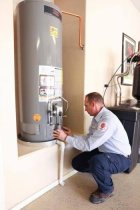
A water heater failure can cause serious damage or even injury. Here's how to stay safe .
Annual Maintenance Checklist
-
Flush the Tank: Sediment from hard water settles at the bottom of the tank, acting as an insulator and forcing the burner to work harder. Over time, the bottom of the tank can overheat and fail, leading to a flood . Flushing the tank annually removes this sediment and can double the life of your unit .
-
Inspect the Pressure Relief Valve: The temperature and pressure relief (TPR) valve is a vital safety device. If it's leaking or looks corroded, it's time for repair or replacement .
-
Check for Corrosion: Look for rust or corrosion on the tank and connections.
-
Check Age: If your water heater is over 10 years old, start planning for replacement .
Warning Signs of Water Heater Problems
-
Unusual noises (rumbling or popping from sediment)
-
Reduced hot water supply
-
Rusty or discolored water
-
Leaks or pooling water at the base
-
Corrosion on fittings
6. Drain Safety: Preventing Clogs and Backups
Clogged drains aren't just inconvenient—they can lead to sewage backups, flooding, and health hazards. Here are essential safety tips :
Do's and Don'ts
-
Do: Use drain screens to catch debris in sinks and showers.
-
Do: Run hot water for 30 seconds after each garbage disposal use.
-
Don't: Pour grease, oil, or fat down kitchen sinks—they solidify and cause blockages .
-
Don't: Flush anything other than toilet paper and human waste. "Flushable" wipes don't break down quickly enough and cause blockages .
-
Don't: Use chemical drain cleaners—they can damage pipes and create hazardous fumes.
Address Slow Drains Promptly
If you notice any drain running slower than usual, address it before it becomes a complete blockage requiring emergency service. A slow drain is often the first warning sign of a developing problem .
7. Summer Plumbing Safety
Gilbert's intense summer heat can stress your plumbing system in unique ways. Here's how to stay safe .
Summer Safety Checklist
-
Check for Leaks: Extreme heat can make existing small leaks worse or cause new ones to develop. Check under sinks, around toilets, and at water heater bases .
-
Inspect Outdoor Faucets and Hoses: Look for cracks, bulges, or leaks in garden hoses. Check outdoor spigots for drips .
-
Protect Water Heater: Consider turning down the temperature slightly to save energy, but don't skip annual maintenance .
-
Clear Drains: With more people home and more showers, hair buildup happens faster. Clear shower drain strainers regularly .
-
Consider a Professional Inspection: A comprehensive plumbing inspection can identify potential issues before they become major problems .
8. General Plumbing Safety Tips
Know Your Plumbing System
Understanding your home's plumbing system is the foundation of safety:
-
Locate and test all shut-off valves (main, under sinks, behind toilets).
-
Know the age and type of pipes in your home (galvanized, copper, PEX, or Polybutylene) .
-
Understand your water pressure—it should stay within the recommended range of 40-60 PSI .
Install Carbon Monoxide Detectors
If you have gas appliances, install carbon monoxide detectors near sleeping areas and gas appliances. These devices can alert you to dangerous gas accumulation that might otherwise go undetected .
Emergency Contact Numbers
Save these numbers in your phone:
-
Plumber Gilbert: 844 833 2093
-
Gas Company: (check your bill for the number)
-
Water Utility: (check your bill)
-
911 for immediate life-threatening emergencies
Frequently Asked Questions
Q1: What should I do if I smell gas in my home?
Evacuate immediately, don't operate electrical switches or phones, and call your gas company and 911 from a neighbor's home. After the gas company confirms safety, call a licensed plumber for gas line repair .
Q2: Why are slab leaks common in Gilbert homes?
Two factors: hard water that corrodes copper pipes from the inside out, and expansive clay soil that shifts with moisture changes, putting pressure on pipes beneath foundations .
Q3: How often should I have my plumbing inspected?
We recommend a professional inspection annually. This allows a plumber to check water pressure, water heater health, and look for early signs of pipe fatigue .
Q4: What's the most important safety step in a plumbing emergency?
Know your main water shut-off valve location and how to operate it. Shutting off the water quickly can prevent catastrophic damage in a burst pipe emergency .
Q5: Is hard water dangerous to my plumbing?
Yes. Arizona's hard water causes scale buildup inside pipes, restricting flow and causing corrosion that leads to pinhole leaks and pipe failure . Consider water softener systems to protect your plumbing .
Q6: Can I DIY a gas line repair?
No. It is not safe for homeowners to attempt their own repairs on natural gas lines. Even if you think you've identified the issue, attempting repairs without proper training and experience is extremely dangerous .
Q7: Why does my water bill suddenly spike?
A sudden, unexpected increase in your water bill is one of the most reliable signs of a leak—either a hidden indoor leak, a slab leak, or a broken underground supply line .
Q8: What should I do if my water heater is leaking?
Shut off the water supply to the heater (or the main valve), turn off power or gas to the unit, and call a licensed plumber immediately. A leaking tank cannot be repaired—replacement is the only option.
Get Professional Plumbing Service in Gilbert
At Plumber Gilbert, we take plumbing safety seriously. Our licensed technicians understand the unique challenges Gilbert homes face—hard water, shifting soil, and extreme temperatures—and provide the expert service your family needs.
Why Choose Us?
-
Licensed & Insured — Fully compliant with Arizona regulations
-
24/7 Emergency Service — Available around the clock
-
Upfront Pricing — No hidden fees or surprise charges
-
Experienced Team — Decades of experience with Gilbert's unique plumbing challenges
-
Advanced Technology — Leak detection, camera inspections, and hydro jetting