Why Is My Tap Water Brown or Discolored in Gilbert, AZ
Learn why tap water turns brown, yellow, or rusty in Gilbert, AZ. Discover municipal causes, hot water tank sediment, slab leaks, DIY fixes, and repair costs.

Why Does My Tap Water Look Brown or Discoloured in Gilbert, AZ?
Turning on your bathroom or kitchen faucet expecting clear, fresh water—only to see a murky stream of brown, yellow, or rusty reddish water pour out—is an alarming experience for any homeowner. Whether you live near the Heritage District, Agritopia, Power Ranch, or Val Vista Lakes, discolored tap water is a real issue that affects households throughout Gilbert, Arizona.
In most local cases, discolored water is caused by disturbed iron sediment, manganese, or calcium mineral scale in either the municipal water main distribution lines or your property’s internal plumbing pipes. Gilbert’s unique combination of high water hardness (often testing between 8 to 17.5+ grains per gallon), rapid sub-tropical garage heating, and periodic Town of Gilbert water main flushing creates prime conditions for rust and mineral buildup to settle in your plumbing.
However, discolored water can also point to a much more critical internal issue—such as a deteriorating sacrificial anode rod inside your water heater, aging galvanized steel pipes, or even a hidden sub-slab pipe failure. In this comprehensive guide, our licensed plumbing experts reveal why your tap water changes color, how to diagnose the root cause, safe DIY steps to clear your lines, professional repair solutions, and what a slab leak is and how Gilbert homeowners can detect one before structural damage occurs.
What Is Discolored Tap Water?
Discolored tap water refers to municipal or well water that exhibits an abnormal tint—ranging from pale yellow and reddish-brown to dark brown, green, or cloudy white—when running from your faucets, showerheads, or appliance inlets.
+-------------------------------------------------------------------+
|                    WATER COLOR DIAGNOSIS GUIDE                    |
+-------------------------------------------------------------------+
| BROWNS & REDS   --> Iron rust, oxidized soil, main break sediment|
| BRIGHT YELLOW   --> Municipal line disturbance, heavy iron oxide  |
| BLUE-GREEN      --> Copper pipe corrosion (dissolved copper salts)|
| MILKY WHITE     --> Entrained air bubbles under high line pressure|
| BLACK PARTICLES --> Degrading rubber washers, water softener resin|
+-------------------------------------------------------------------+
Simple Explanation
Water traveling from water treatment facilities through miles of underground infrastructure contains microscopic minerals. Over years of continuous operation, heavy elements like iron, manganese, and calcified minerals settle along the bottom of utility mains and residential supply lines.
When a sudden change in water velocity or direction occurs—or when pipe walls begin to rust from the inside out—these loose particles are swept into suspension. When you open your faucet, you see that suspended material as discolored water.
Common Situations & Symptoms
You can narrow down the source of the discoloration by asking a few simple operational questions:
-
Is the brown water coming from COLD water taps only, or HOT water taps as well?
-
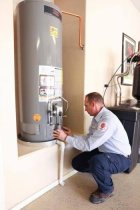
Hot water only: The issue is almost always isolated to your home's water heater tank or anode rod.
-
Cold water only (or both): The cause originates from incoming supply lines, outdoor main valves, or main water lines under your concrete slab.
-
-
Is the brown water affecting EVERY faucet in the house or just ONE room?
-
Single faucet: Corrosion or localized sediment trapped inside that specific fixture's supply valve or aerator.
-
Whole house: Incoming municipal water main disturbance, master valve issue, or mainline plumbing corrosion.
-
-
Does the water clear up after running cold water for 2 to 5 minutes?
-
Clears quickly: Temporary municipal sediment stir-up or stagnant overnight rust in local pipes.
-
Persists for hours: Active structural pipe breakdown, severe water heater degradation, or continuous soil intrusion into a broken main.
-
Why Does This Plumbing Problem Happen in Gilbert, AZ?
Discolored tap water isn't random; it stems from specific environmental, municipal, and plumbing conditions unique to the Phoenix East Valley.
┌─────────────────────────────────────────────────────────────────┐
│                 PRIMARY CAUSES OF BROWN WATER                   │
├───────────────────────────────┬─────────────────────────────────┤
│ Municipal Utility Operations  │ Domestic Plumbing Breakdown     │
│ • Fire hydrant flow testing   │ • Water heater sediment buildup │
│ • Town line flushing/repairs  │ • Galvanized pipe corrosion     │
│ • Water main pipe ruptures    │ • Underground slab pipe leaks   │
└───────────────────────────────┴─────────────────────────────────┘
1. Town of Gilbert Water Main Flushing and Valve Testing
The Town of Gilbert Public Works Department routinely performs fire hydrant testing, infrastructure upgrades, and water main line flushing. When hydrants are opened or high-capacity valves are adjusted, the direction and speed of water flow inside municipal mains change rapidly. This sudden rush scours harmless iron and manganese sediment off the main pipe walls, briefly sending discolored water into nearby neighborhood supply meters.
2. Water Main Breaks and Nearby Construction
With ongoing development and heavy equipment operation near Gilbert roads, unexpected water main breaks or construction tie-ins happen. When an underground main ruptures or is spliced, soil and rust particles enter the pipe network before line repairs and chlorine flushing are completed.
3. Hard Water Scale and Water Heater Sediment
Gilbert’s municipal water is famously mineral-dense, containing high levels of calcium carbonate and dissolved solids. Inside residential water heaters—which are frequently located in unconditioned, hot Arizona garages—these minerals rapidly drop out of liquid form during heating cycles, baking into a thick, rusty brown mud at the base of the tank.
4. Galvanized Iron Pipe Corrosion
In older Gilbert neighborhoods, homes constructed prior to the mid-1980s may still contain original galvanized iron water pipes. Over decades, galvanized coatings wear away, causing raw iron to rust internally. When water sits stagnant in these pipes overnight, the first wash of water in the morning comes out reddish-brown.
5. Aging Copper Line Corrosion (Blue-Green Water)
If your tap leaves greenish-blue stains in your sinks or bathtubs, copper piping is dissolving. This is common in homes with aggressive hard water, improper electrical grounding to copper pipes, or high water flow velocity.
Signs You Should Never Ignore
Discolored water is rarely an isolated cosmetic inconvenience. It is frequently the first visual indicator of internal pipe failure or hidden property damage.
┌─────────────────────────────┬──────────────────────────────────────────┐
│ WARNING SIGN                │ WHAT IT TRULY INDICATES                  │
├─────────────────────────────┼──────────────────────────────────────────┤
│ Red/Brown Water from Hot Tap│ Severe tank rust or anode rod depletion  │
│ Metallic Odor or Taste      │ Advanced internal pipe wall oxidation    │
│ Warm Spots under Floor Tile │ Active hot-water copper slab leak under pad│
│ Unexplained High Water Bill │ Undetected underground main supply break │
│ Fine Sand in Aerators       │ Broken water softener resin bed or scale │
└─────────────────────────────┴──────────────────────────────────────────┘
1. Warm Spots on Tile or Vinyl Flooring
If you notice brown or discolored water accompanying a warm spot on your floorboards or kitchen tile, you likely have a hot-water slab leak under your home's concrete foundation.
2. Persistent Metallic Taste or Heavy Odor
While temporary main flushing produces rust particles that settle, water that consistently smells like iron or old pennies indicates that active metal erosion is taking place inside your plumbing system.
3. Unexplained Drops in Domestic Water Pressure
When internal pipe corrosion or heavy sediment shifts, mineral flakes can migrate downstream and choke valve bodies, pressure-reducing valves (PRVs), and faucet cartridges, causing sudden drops in flow.
What Is a Slab Leak and How Can Gilbert Homeowners Detect One?
One of the most serious plumbing hazards linked to discolored water in Arizona ground structures is a slab leak. Understanding what a slab leak is and how Gilbert homeowners can detect one is essential for protecting your property's structural foundation.
+-------------------------------------------------------------------+
|               CROSS-SECTION OF A CONCRETE SLAB LEAK               |
|                                                                   |
|   [ LIVING SPACE FLOORING: Tile / Wood / Carpet ]                 |
|   =============================================================   |
|   [ CONCRETE SLAB FOUNDATION ]                                    |
|         \                      /                                  |
|          \  CRACK / MOISTURE  /                                   |
|   ~~~~~~~~~~~~~~~~~~~~~~~~~~~~~~~~~~~~~~~~~~~~~~~~~~~~~~~~~~~~~   |
|   [ SUB-SLAB SOIL / SAND BED ]                                    |
|                                                                   |
|        === ( BURRIED COPPER SUPPLY PIPE ) ===                     |
|                      ||                                           |
|                      \/  <-- PINHOLE LEAK SPRAYING SUB-SLAB SOIL  |
+-------------------------------------------------------------------+
Defining a Slab Leak
A slab leak occurs when the pressurized copper or PEX water supply lines running beneath your home’s poured concrete foundation slab develop a leak, crack, or pinhole failure.
Because most residential construction in Gilbert consists of post-tensioned concrete slab-on-grade foundations, these main water supply lines are buried beneath compacted soil and sand before the concrete slab is poured.
Why Do Slab Leaks Cause Discolored Tap Water?
When a supply pipe under the slab breaks or corrodes:
-
Soil Intrusion: Pressure drops in the supply loop can pull fine brown dirt and desert soil back into the line through tiny pinholes when faucets are turned off.
-
Advanced Pipe Corrosion: Hard mineral soil and aggressive groundwater react chemically with bare copper outer walls (a process called pitting corrosion), producing heavy green and brown copper-oxide slurry that flows directly to your taps.
How Gilbert Homeowners Can Detect a Slab Leak
Early detection saves tens of thousands of dollars in foundational repair costs. Watch for these distinct diagnostic signs:
┌────────────────────────────────────────────────────────────────────────┐
│                   SLAB LEAK DETECTION CHECKLIST                        │
├────────────────────────────────────────────────────────────────────────┤
│ 1. The Water Meter Test:                                                │
│    Turn off every fixture in your home. Check your outdoor water meter │
│    dial (located near the street curb). If the leak indicator triangle │
│    or digital counter is spinning, water is escaping under your pad.   │
│                                                                        │
│ 2. Unexplained Hot Spots on Flooring:                                  │
│    Walk barefoot across your tile, hardwood, or carpet. If one area    │
│    feels distinctly warm, a hot water copper supply line beneath the   │
│    concrete has ruptured.                                              │
│                                                                        │
│ 3. Sounds of Running Water when Fixtures are Off:                      │
│    Stand in a quiet hallway or bathroom. If you hear a steady hiss or   │
│    rushing water sound behind walls or underfoot, water is flowing.    │
│                                                                        │
│ 4. Cracks in Drywall, Baseboards, or Exterior Stucco:                  │
│    As escaping water erodes compacted soil underneath the concrete slab,│
│    the foundation can settle unevenly, causing floor gaps or cracks.   │
│                                                                        │
│ 5. Sudden Spikes in Monthly Utility Bills:                             │
│    An unnoticed 1/16th-inch pinhole under a slab can waste over 25,000 │
│    gallons of water per month, drastically inflating your water bill.  │
└────────────────────────────────────────────────────────────────────────┘
Common Plumbing Problems Related to Discolored Water
Discolored tap water is often a symptom of interconnected system issues across your property:
                            ┌────────────────────────┐
                            │  DISCOLORED TAP WATER  │
                            └───────────┬────────────┘
                                        │
         ┌──────────────────────────────┼──────────────────────────────┐
         ▼                              ▼                              ▼
┌─────────────────┐            ┌─────────────────┐            ┌─────────────────┐
│ Water Heater    │            │ Underground     │            │ Clogged Faucet  │
│ Tank Failure    │            │ Slab Leaks      │            │ & Valve Filters │
└─────────────────┘            └─────────────────┘            └─────────────────┘
         │                              │                              │
         ▼                              ▼                              ▼
┌─────────────────┐            ┌─────────────────┐            ┌─────────────────┐
│ Rust Perforations│            │ Foundation      │            │ Reduced Home    │
│ & Room Floods   │            │ Soil Erosion    │            │ Water Flow      │
└─────────────────┘            └─────────────────┘            └─────────────────┘
-
Clogged Water Filters and Softeners: Sediment-laden brown water instantly fouls whole-home cartridge filters and degrades water softener resin beads.
-
Damaged Washing Machines and Dishwashers: Running brown water through laundry machines irreversibly stains white fabrics and ruins sensitive solenoid inlet valves.
-
Pinhole Leaks in Copper Piping: Corroded pipe interiors that release rust particles soon develop structural micro-leaks behind walls.
-
Fixture Discoloration and Etching: Iron-rich red water permanently stains porcelain sinks, acrylic tubs, and toilet bowls.
Step-by-Step Professional Diagnostic and Repair Process
When you call a licensed plumbing professional to investigate brown or discolored water, the issue is systematically diagnosed and resolved through a proven process:
┌────────────────────────────────────────────────────────────────────────┐
│                   PROFESSIONAL REPAIR WORKFLOW                         │
├────────────────────────────────────────────────────────────────────────┤
│ Step 1: Isolation & Water Quality Testing                              │
│         • Sample hot vs. cold streams to isolate source location.     │
│ Step 2: System Pressure & Meter Diagnostic                             │
│         • Perform hydrostatic decay testing to rule out slab leaks.   │
│ Step 3: Acoustic & Electronic Leak Detection                           │
│         • Locate exact underground pipe ruptures using acoustic gear.  │
│ Step 4: Water Heater & Tank Inspection                                 │
│         • Inspect internal lining, anode rod depletion, and sediment.  │
│ Step 5: Target Repair or Repiping Execution                            │
│         • Perform targeted slab bypass, pipe replacement, or flush.    │
│ Step 6: Full-System Flushing & Disinfection                            │
│         • Purge all distribution lines with clean, sanitized water.    │
│ Step 7: Final Water Quality Verification                               │
│         • Confirm clarity, pressure, and zero system leaks.            │
└────────────────────────────────────────────────────────────────────────┘
Step 1: Source Isolation Testing
The plumber samples water directly at the main street shut-off valve, outdoor hose bibs, and indoor hot/cold fixtures to determine whether discolored water is entering from the city main or generating within the home's plumbing.
Step 2: Hydrostatic Pressure & Meter Testing
Using precision pressure gauges, the technician tests static home pressure. A steady pressure drop with all indoor valves closed confirms an active leak in sub-slab piping or yard service lines.
Step 3: Electronic & Thermal Slab Leak Detection
If a sub-slab leak is suspected, plumbers use non-invasive acoustic listening equipment and thermal imaging cameras to pinpoint the exact underground rupture site through solid concrete without unnecessary floor demolition.
Step 4: Repair Strategy Execution
Depending on the root cause, the technician executes a permanent fix:
-
For Municipal Sediment: Performs a high-volume cold water main purge.
-
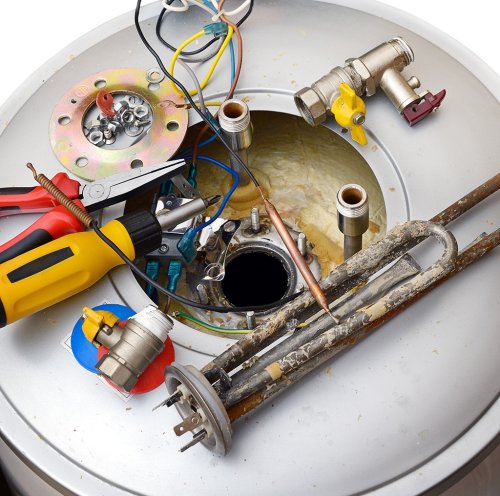
For Water Heater Sediment: Performs a full tank flush, replaces depleted anode rods, or installs a new glass-lined water heater.
-
For Slab Leaks: Performs a targeted modern overhead pipe reroute (running new durable PEX lines through ceilings/attics to bypass the broken slab pipe entirely) or direct slab repair.
Step 5: System Flushing and Quality Check
Every domestic water branch is flushed clean, aerators are sanitized, and water clarity is verified across all taps.
Can You Fix It Yourself? (Safe DIY vs. Professional Plumbing)
Handling discolored water requires knowing when simple flushing works and when DIY attempts risk costly property damage.
┌───────────────────────────────────┬───────────────────────────────────┐
│ SAFE DIY STEPS                    │ CALL A LICENSED PLUMBER           │
├───────────────────────────────────┼───────────────────────────────────┤
│ Flush cold water taps for 5 mins  │ Water remains brown after 30 mins │
│ Check if neighbors have brown water│ Discoloration is HOT water only   │
│ Clean unscrewed sink aerators     │ Floor tiles feel warm to touch    │
│ Replace pre-filter water cartridges│ Water pressure drops sharply     │
└───────────────────────────────────┴───────────────────────────────────┘
Safe DIY Steps
-
The 5-Minute Cold Water Flush: Turn on the COLD water tap at your lowest floor fixture (like an outdoor hose bib or laundry sink) and let it run for 3 to 5 minutes. Check if the stream clears up.
-
Check Hot vs. Cold Separation: Run cold water in a glass—if clear, run hot water in a second glass. If only the hot water is brown, do not run appliances and schedule a water heater service.
-
Neighbor Check: Ask a neighbor if they are experiencing similar discoloration. If yes, it is a municipal main event; avoid running hot water or laundry until the town clears the lines.
What NEVER to Do Yourself
-
Do NOT run hot water or clothes washers while water is brown: Hot water pulls rust slurry straight into your water heater tank, and washers will permanently stain clothing.
-
Do NOT jackhammer your concrete slab based on a guess: Never break slab concrete without professional acoustic leak detection.
-
Do NOT pour chemical drain cleaners into discolored supply lines: Chemical drain openers are designed for waste drains only and should never be introduced into potable supply pipes.
Advanced Tools Professionals Use
Modern plumbers use specialized equipment to diagnose and resolve discolored water and underlying pipe breaks accurately:
┌──────────────────────────────┬────────────────────────────────────────┐
│ PROFESSIONAL EQUIPMENT       │ PURPOSE & FUNCTION                     │
├──────────────────────────────┼────────────────────────────────────────┤
│ Acoustic Ground Microphones  │ Detects frequency of underground leaks │
│ Thermal Imaging Infrared     │ Visualizes hot water slab leak paths   │
│ Digital Pipe Locators        │ Traces precise sub-slab copper routing │
│ Video Pipe Inspection Cameras│ Inspects main sewer/drain line condition│
│ Turbidity & Hardness Testers │ Analyzes exact mineral & sediment loads│
└──────────────────────────────┴────────────────────────────────────────┘
How Long Does the Service Usually Take?
Repair timelines vary based on the underlying cause of the discoloration:
┌──────────────────────────────┬──────────────────┬─────────────────────┐
│ SERVICE TYPE                 │ AVERAGE TIME     │ KEY FACTORS         │
├──────────────────────────────┼──────────────────┼─────────────────────┤
│ System Purge & Aerator Cleaning│ 45 – 90 Minutes │ Simple line clearing│
│ Water Heater Flush & Anode Rod│ 1 – 2 Hours      │ Tank sediment load  │
│ Electronic Slab Leak Detection│ 1 – 2.5 Hours    │ Structure footprint │
│ Overhead PEX Pipe Reroute    │ 1 – 2 Days       │ Access & dry restoration│
└──────────────────────────────┴──────────────────┴─────────────────────┘
Cost Factors Explained
Plumbing repair and maintenance costs vary depending on the severity of the problem, accessibility, materials required, emergency service, property type, and local labor rates.
Key cost factors include:
-
Diagnostic and Leak Location Fees: Advanced electronic leak detection equipment and specialized labor required to locate non-visible sub-slab pipe breaks.
-
Repair Method Selection: Simple pipe repairs vs. complete ceiling PEX rerouting or whole-home repiping.
-
Water Heater Condition: Simple tank flushing vs. full anode rod replacement or tank replacement.
-
Accessibility: Ease of reaching buried lines, attic spaces, or tight utility closets.
-
Materials Required: High-grade Type L copper, commercial brass fittings, or flexible PEX-a piping.
Hidden Truths Homeowners Should Know
-
Small Leaks Turn into Expensive Foundation Repairs: A minor sub-slab pinhole leak left unchecked erodes compacted supporting soil beneath your foundation, causing concrete slab cracking.
-
Cheap Temporary Fixes Often Fail: Wrapping corroded copper pipes in rubber tape or epoxy putty under slab pressure is a short-term band-aid that quickly bursts under 60+ PSI municipal pressure.
-
Insurance May Not Cover Neglected Corrosion: Homeowners insurance policies typically cover sudden, accidental water discharges, but often deny claims caused by long-term, unaddressed pipe corrosion or neglected maintenance.
-
Hard Water Accelerates Metal Breakdown: Gilbert's high mineral content creates aggressive scale that accelerates internal pipe pitting and tank lining decay.
-
DIY Mistakes Increase Repair Costs: Attempting to break concrete or cut live supply lines without proper equipment often damages nearby electrical conduits or structural post-tension cables.
-
Delaying Repairs Leads to Mold Growth: Unnoticed sub-slab water migration under carpet padding or floor tiles creates ideal conditions for toxic mold spores within 24 to 48 hours.
-
Hidden Leaks Dramatically Increase Utility Bills: A leaking supply line beneath your slab can waste thousands of gallons of water silently each month.
15 Common Mistakes Homeowners Make
-
Running Hot Water During a City Main Flush: Pulls heavy rust and mineral mud directly into your water heater tank.
-
Doing Laundry with Discolored Water: Permanently ruins clothing with iron rust stains.
-
Ignoring Warm Spots on Hardwood or Tile Flooring: Dismissing hot floor areas until drywall cracks or foundation settling appears.
-
Assuming Brown Water Is Always Safe to Drink: Drinking discolored water during an unannounced main break can expose your household to dirt and excess heavy metals.
-
Ignoring Gradual Drops in Water Pressure: Overlooking pressure loss caused by accumulating sediment inside internal pipe elbows.
-
Hiring Unlicensed Handymen for Slab Repairs: Working with uninsured contractors who lack specialized electronic leak location gear.
-
Neglecting Routine Water Heater Maintenance: Failing to flush tanks annually, leading to heavy sediment accumulation.
-
Neglecting Whole-Home Filtration Systems: Letting sediment bypass expired filter media into household appliances.
-
Waiting Until Water Floods the Garage to Service Tanks: Postponing repairs until a rusting water heater base completely ruptures.
-
Disconnecting Water Softeners Incorrectly: Allowing broken resin beads to wash into household water lines.
-
Over-Tightening Corroded Plumbing Valves: Forcing old gate valves shut, snapping internal stems and causing emergency shut-off failures.
-
Using Wrong Pipe Materials During DIY Repairs: Connecting bare copper directly to galvanized steel without dielectric unions, triggering rapid galvanic corrosion.
-
Ignoring Green Stains on Copper Fixtures: Overlooking copper oxide scale, which precedes pinhole leaks.
-
Failing to Know the Location of the Main Water Shut-Off Valve: Searching for the main curb valve during an active pipe burst emergency.
-
Delaying Professional Leak Detection: Allowing continuous water flow to undermine foundation subsoil for weeks.
Practical Maintenance Tips for Gilbert Homeowners
Proactive plumbing care helps prevent discolored tap water and protects your property:
-
Flush Cold Water Taps After Municipal Work: If city crews work nearby, run an outdoor hose bib or cold laundry sink for 5 minutes before using indoor fixtures.
-
Perform Monthly Water Meter Checks: Shut off all taps and inspect your outdoor water meter dial to confirm zero hidden sub-slab water movement.
-
Service Water Heaters Annually: Flush your water heater tank every 6 to 12 months to remove accumulated hard water mineral mud.
-
Inspect the Sacrificial Anode Rod: Replace the water heater anode rod every 2 to 4 years to prevent inner tank steel corrosion.
-
Install a Sediment Pre-Filter: Protect your water softener and home appliances with a 20-micron whole-home sediment filter cartridge.
-
Maintain Water Softeners: Keep salt levels topped off and service resin beds to prevent hard water scale build-up.
-
Monitor Static Household Water Pressure: Keep home supply pressure between 50 and 70 PSI using a pressure-reducing valve (PRV) to prevent pipe stress.
-
Clean Sink Aerators Every 6 Months: Unscrew aerator screens from sink faucets and rinse out trapped rust flakes and mineral scale.
-
Exercise Shut-Off Valves: Turn main isolation valves and fixture stop valves off and on once a year to prevent mineral seizing.
-
Insulate Exposed Garage Piping: Wrap overhead and garage supply lines to reduce thermal expansion stress.
-
Address Drips Immediately: Repair minor fixture leaks before mineral scale locks internal cartridges.
-
Test T&P Valves: Briefly lift the lever on your water heater safety relief valve annually to ensure proper operation.
-
Know Your Main Shut-Off Location: Ensure all adult family members know how to shut off the main water line at the curb meter box.
-
Schedule Annual Plumbing Inspections: Have a licensed plumber inspect exposed piping, water pressure, and water heater health once a year.
When Should You Call an Emergency Plumber?
Contact an emergency plumbing provider immediately if you experience:
┌────────────────────────────────────────────────────────────────────────┐
│                   CALL AN EMERGENCY PLUMBER IF:                        │
├────────────────────────────────────────────────────────────────────────┤
│ 🚨 Dark brown or black water flows continuously from all cold taps      │
│ 🚨 Water is visibly seeping up through flooring, carpet, or tile joints│
│ 🚨 Your main water meter dial spins rapidly with all interior taps off │
│ 🚨 A water heater tank bursts or leaks heavy rusty water onto flooring │
│ 🚨 You experience a sudden, total loss of household water pressure     │
└────────────────────────────────────────────────────────────────────────┘
Rapid intervention minimizes structural damage, prevents mold contamination, and restores safe, clean water to your home.
Frequently Asked Questions
1. Why does my tap water look brown or discoloured suddenly in Gilbert?
Sudden brown water is usually caused by iron rust and sediment stirred up during Town of Gilbert water main flushing, hydrant testing, nearby construction, or localized pipe corrosion.
2. Is brown tap water safe to bathe in or drink?
The Town of Gilbert disinfects municipal water; however, drinking or bathing in visibly brown water is not recommended as it contains elevated iron particles, soil, or mineral sediment. Allow cold taps to run clear first.
3. What is a slab leak and how can Gilbert homeowners detect one?
A slab leak is a rupture in the copper or PEX water pipes buried beneath a concrete slab foundation. Homeowners can detect one by checking for spinning water meter dials with taps off, warm spots on floor tile, the sound of rushing water underfoot, or unexplained high water bills.
4. Why is only my hot water coming out brown?
If brown water comes exclusively from hot water taps while cold water remains crystal clear, the issue is inside your water heater—typically caused by severe sediment buildup or a corroded sacrificial anode rod.
5. What should I do if running cold water for 5 minutes doesn't clear the discoloration?
If your cold water remains brown after 5 to 10 minutes of flushing, turn off your taps and contact the Town of Gilbert Water Department or a licensed local plumber to inspect incoming service lines.
6. Can discolored water damage my home water softener or washing machine?
Yes. Heavy iron sediment can clog filter screens, foul water softener resin beds, and permanently rust-stain clothing during laundry cycles.
7. What causes blue-green water stains on sinks and tubs?
Blue-green stains indicate dissolved copper salts caused by internal corrosion of your home's copper water pipes.
8. How long does a typical slab leak repair take?
Detecting and completing an overhead PEX pipe reroute or targeted repair usually takes between 1 and 2 days depending on home layout and accessibility.
9. Can high water pressure cause pipe corrosion and leaks?
Yes. Water pressure exceeding 80 PSI accelerates pipe wear, causes water hammer, and increases the risk of pinhole leaks in copper supply lines.
10. Why does my water look milky or cloudy when it first comes out of the faucet?
Cloudy or white water is usually caused by microscopic air bubbles trapped under high pressure in supply lines. If you let a glass sit for a minute, the air bubbles will rise and the water will clear from the bottom up.