Why Does My Kitchen Sink Drain So Slowly?
Is your kitchen sink draining slowly? Learn common causes like grease buildup, hard water, and how to fix it. Expert tips for Gilbert homeowners. Call 844 833 2093.
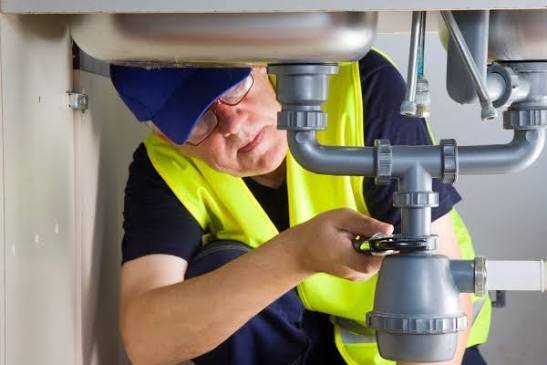
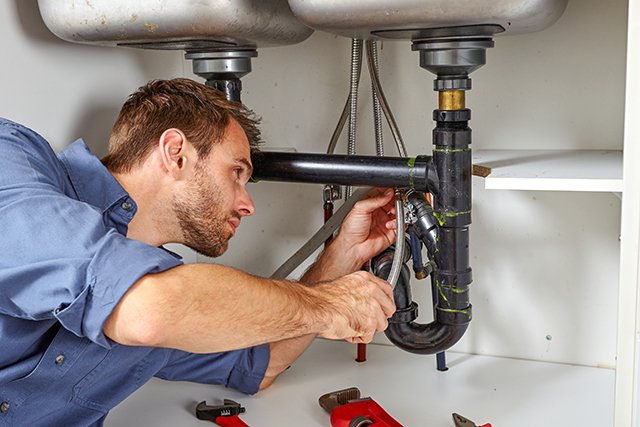

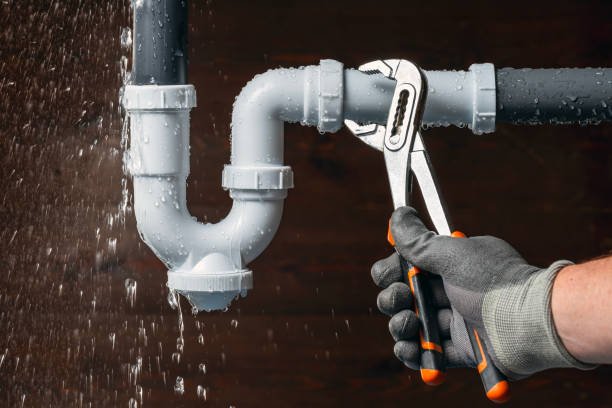
Why Is My Kitchen Sink Draining Slowly?
A sluggish kitchen sink almost always means a partial blockage is forming somewhere in your plumbing . Unlike a complete clog that stops water entirely, a partial clog still allows some water to pass, just much more slowly than normal . In Gilbert kitchens, these blockages are typically caused by a combination of local factors.
1. Grease, Fat, and Oil Buildup (The #1 Culprit)
This is the most common cause of a slow kitchen sink. It might look harmless when you pour liquid cooking oil or bacon grease down the drain, but as it cools, it solidifies, clinging to the inside of your pipes like wax .
Think of it like this: over time, this greasy buildup creates a sticky layer that narrows the pipe. Food particles and other debris get trapped in it, forming a sludge that water struggles to push past . If you have a garbage disposal, it can sometimes pack this greasy matter deeper into the pipes, making the problem worse .
Gilbert-Specific Challenge: Arizona's hard water, which is full of minerals like calcium and magnesium, can actually make this worse. The minerals can combine with soap to form a sticky film that contributes to the buildup .
2. Food Particles and Coffee Grounds
Even with a garbage disposal, certain foods are bad news for your drains. Starchy foods like rice, pasta, and potato peels absorb water and expand, creating a thick, glue-like paste inside your pipes .
Coffee grounds don't dissolve; they accumulate and form a dense, gritty sludge that can clog pipes . Fibrous items like celery, corn husks, and onion skins can also wrap around the disposal blades and cause jams or clogs.
3. Soap Scum and Mineral Deposits
It's not just food—what you use to clean your dishes can also cause problems. Dish soap can leave behind a film that sticks to the inner walls of your pipes. This sticky layer acts like flypaper, catching other debris and gradually narrowing the pipe .
4. Garbage Disposal Issues
Your garbage disposal is a helpful tool, but it's not a trash can. Overloading it or putting unsuitable waste (like the fibrous foods mentioned above) down it can lead to clogs that leave your sink draining slowly .
5. A Clogged or Improperly Sloped Drain Pipe
If the clog is persistent, it could be further down the line. Sometimes, even after you clean the trap, the sink remains slow—this usually means the blockage is deeper in the pipe . In some older homes, the drain pipe may not have the ideal slope of ¼ inch per foot, which can cause water to flow too slowly and allow solids to settle and build up .
DIY: How to Fix a Slow-Draining Kitchen Sink
Before you call a plumber, there are several safe and effective DIY methods you can try to clear a slow drain.
Start with the Easiest Solutions First:
-
Boiling Water and Dish Soap: This is a great first step for a grease clog. Boil a full kettle of water. Pour a generous squirt of dish soap down the drain, followed by the boiling water in a slow, steady stream . The heat helps melt the grease, and the soap helps carry it away.
-
Baking Soda and Vinegar: For a natural, fizzing cleaner, pour ½ cup of baking soda down the drain, followed by ½ cup of white vinegar . Cover the drain with a plug and let it sit for 15-30 minutes. The reaction can help break down organic material. Finish by flushing with hot (not boiling, if you have plastic pipes) water .
-
The Plunger: For a more stubborn clog, try a sink plunger (the cup-shaped one, not the flange-style for toilets). Fill the sink with enough water to cover the plunger's cup. If you have a double sink, seal the other drain with a wet cloth. Plunge vigorously up and down for about 30 seconds, then check if the water drains .
-
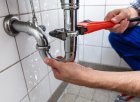
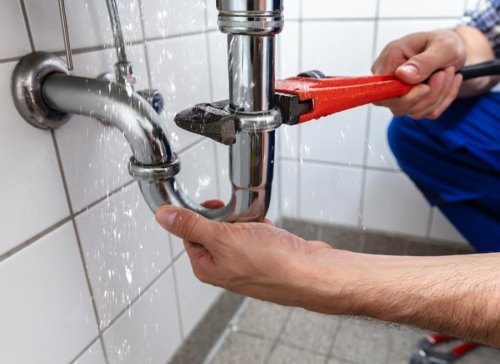
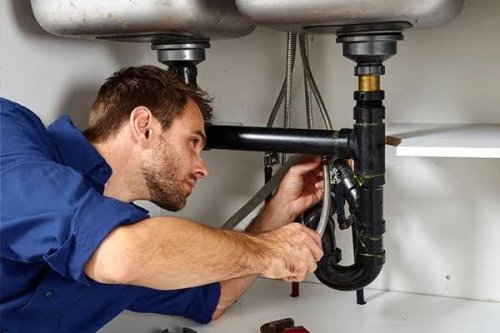
Check the P-Trap: The P-trap is the U-shaped pipe under your sink. It's designed to hold water to block sewer gases, but it's also a prime spot for collecting debris . Place a bucket under the trap, and carefully unscrew the slip nuts at both ends. Clean out any gunk you find, then reattach it tightly .
When to Call a Professional Plumber
If you've tried these DIY fixes and your sink is still draining slowly, or if you notice any of these signs, it's time to call a professional :
-
Gurgling Noises: A gurgling sound from your sink often points to a venting issue, which requires professional diagnosis .
-
Foul Odors: A persistent sewage smell coming from your sink means sewer gases are escaping and needs professional attention.
-
Multiple Drains Affected: If you have slow drains in your kitchen and other parts of the house, it could be a main sewer line issue that requires professional equipment .
-
You Have an Older Home or Polybutylene Pipes: Gilbert homes built between 1978 and 1995 may have Polybutylene (Poly-B) pipes, which are prone to sudden failure and often need professional replacement.
Frequently Asked Questions
Q1: Why does my kitchen sink drain slowly after cooking a big meal?
This is almost always due to grease and food particles from cooking entering the drain. The grease solidifies as it cools, narrowing the pipe and slowing drainage .
Q2: Why does my sink drain slowly even though I have a garbage disposal?
A garbage disposal can sometimes push food debris further down the pipe, where it combines with grease to create a stubborn plug that sits deeper in the drain line .
Q3: Can hard water cause a slow-draining kitchen sink?
Yes. Hard water minerals like calcium and magnesium can build up inside pipes, narrowing the passage for water and contributing to clogs .
Q4: What should I never put down my kitchen sink?
Never pour grease, oil, or fat down the sink. Also avoid putting coffee grounds, pasta, rice, eggshells, and fibrous vegetables (like celery) down the drain .
Get Professional Drain Help in Gilbert
At Plumber Gilbert, we provide expert drain cleaning and repair for homeowners throughout the East Valley. Our licensed technicians understand the unique challenges Gilbert homes face—hard water, aging pipes, and stubborn grease clogs—and provide the service your system needs.